
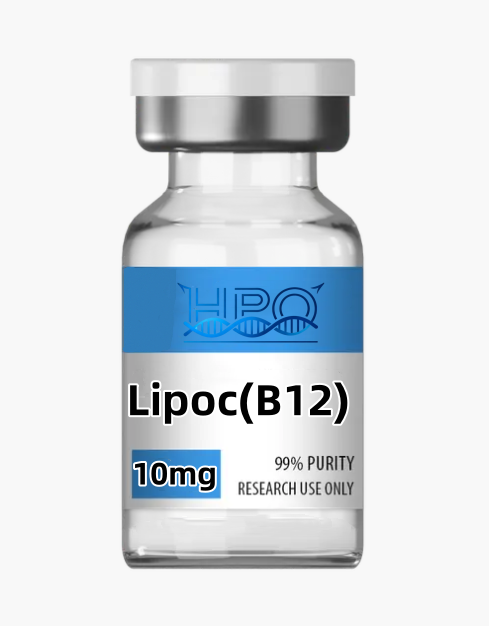
Lipoc(B12)
$70.00
Lipoc (B12) Peptide: Comprehensive Research Guide Lipoc (B12) is a specialized lipolytic peptide formulation designed for research into fat metabolism, body composition optimization, and metabolic hea…
DISCLAIMER:
Lipoc (B12) Peptide: Comprehensive Research Guide
Lipoc (B12) is a specialized lipolytic peptide formulation designed for research into fat metabolism, body composition optimization, and metabolic health, enhanced with the addition of vitamin B12 (typically methylcobalamin, the biologically active form). As the name suggests, this formulation contains the core lipolytic peptide blend plus added vitamin B12, which plays an essential role in energy metabolism, homocysteine regulation, methylation reactions, and neurological function, complementing the fat-burning and metabolic effects of the peptide blend. Lipoc formulations are typically composed of a synergistic blend of peptides and compounds that work together to stimulate lipolysis (fat breakdown), inhibit lipogenesis (fat formation), enhance fatty acid oxidation, and improve overall metabolic function, with applications in obesity research, body composition studies, sports science, and metabolic disorder research.
The exact composition of Lipoc formulations can vary, but they typically include a combination of lipolytic peptides such as AOD9604 (a growth hormone fragment with selective fat-burning effects), melanocortin peptides (which can increase energy expenditure and reduce appetite), and other metabolic modulators, along with supporting compounds such as L-carnitine (which facilitates fatty acid transport into mitochondria for oxidation), and B vitamins (including B12, which is essential for energy metabolism and methylation). The “B12” variant provides the core lipolytic peptide blend with added vitamin B12, creating a comprehensive metabolic support formulation that addresses both fat metabolism and the essential cofactors needed for efficient energy production. Researchers worldwide utilize high-purity Lipoc (B12) to investigate adipose tissue biology, lipolysis mechanisms, obesity treatment, body composition optimization, metabolic syndrome, energy metabolism, and the therapeutic potential of lipolytic peptide blends for a wide range of metabolic conditions.
Molecular Composition and Biological Properties
Lipoc (B12) is a specialized peptide blend with a composition designed for synergistic lipolytic activity, enhanced with vitamin B12 for comprehensive metabolic support. Key properties:
- COMPOSITION: Specialized blend of lipolytic peptides and metabolic compounds, typically including AOD9604 (Tyr-hGH 177-191), melanocortin peptides, L-carnitine, and other metabolic modulators, with added vitamin B12 (methylcobalamin)
- KEY ACTIVE PEPTIDES: AOD9604 (16-amino acid growth hormone fragment, the primary lipolytic component), and potentially other lipolytic/metabolic peptides depending on the specific formulation
- SUPPORTING COMPOUNDS: L-carnitine (amino acid derivative that facilitates fatty acid transport into mitochondria), vitamin B12 (methylcobalamin, essential cofactor for energy metabolism and methylation), and potentially other metabolic cofactors
- VITAMIN B12 CONTENT: Added methylcobalamin (typically 100-1000 mcg per serving/vial), the biologically active form of vitamin B12 that is directly usable by the body without conversion
- MOLECULAR WEIGHT: Mixed composition, with primary peptide components ranging from ~1.8 kDa (AOD9604) to larger peptides; vitamin B12 molecular weight = 1344.4 g/mol; L-carnitine molecular weight = 161.2 g/mol
- APPEARANCE: White to off-white (or slightly pink/red due to B12) lyophilized powder
- SOLUBILITY: Soluble in water, PBS, bacteriostatic water, and physiological saline
- pI: Mixed (varies by component; AOD9604 is basic, L-carnitine is zwitterionic, methylcobalamin is neutral at physiological pH)
- BIOAVAILABILITY: Good subcutaneous bioavailability for peptide components; L-carnitine and vitamin B12 have good oral and parenteral bioavailability
- STABILITY: Stable in lyophilized form when stored properly; peptide components should be protected from light, extreme pH, and proteases; methylcobalamin is light-sensitive and should be protected from light
- B12 FORM: Typically methylcobalamin (the biologically active form), which is directly usable by the body and may have advantages over cyanocobalamin for neurological function and methylation
Mechanism of Action and Lipolytic Effects
Lipoc (B12) exerts its metabolic effects through the combined actions of its multiple components, which work synergistically to promote fat breakdown, inhibit fat storage, enhance fatty acid oxidation, support energy metabolism, and improve overall metabolic function. Key mechanisms include:
- AOD9604-MEDIATED LIPOLYSIS: The primary lipolytic component of Lipoc (B12) is typically AOD9604 (Tyr-hGH 177-191), a 16-amino acid peptide fragment of human growth hormone that has been shown to selectively stimulate lipolysis (breakdown of triglycerides into free fatty acids and glycerol) and inhibit lipogenesis (de novo fat synthesis), without the growth-promoting, IGF-1-stimulating, or diabetogenic effects of full-length hGH. AOD9604 appears to act directly on adipose tissue, particularly visceral (abdominal) fat, through mechanisms that may involve activation of hormone-sensitive lipase (HSL) and adipose triglyceride lipase (ATGL), inhibition of lipogenic enzymes (fatty acid synthase, acetyl-CoA carboxylase), and modulation of adipocyte metabolism. Its selective lipolytic effects make it a valuable component of lipolytic peptide blends.
- L-CARNITINE-MEDIATED FATTY ACID OXIDATION: L-carnitine is an amino acid derivative that plays a critical role in energy metabolism by facilitating the transport of long-chain fatty acids from the cytoplasm into the mitochondria, where they can be oxidized (burned) for energy production via beta-oxidation. By increasing fatty acid transport into mitochondria, L-carnitine enhances the utilization of fat as an energy source, particularly during exercise or caloric restriction, and may help reduce fat accumulation by increasing fat oxidation. L-carnitine also has antioxidant effects, supports mitochondrial function, and may improve exercise performance and recovery. Its inclusion in Lipoc (B12) complements the lipolytic effects of AOD9604 by ensuring that the free fatty acids released by lipolysis are efficiently transported into mitochondria for oxidation, rather than being re-esterified and stored as fat.
- VITAMIN B12 (METHYLCOBALAMIN) FOR ENERGY METABOLISM AND METHYLATION: The added vitamin B12 (methylcobalamin) plays an essential role in energy metabolism, homocysteine regulation, methylation reactions, and neurological function, complementing the lipolytic and metabolic effects of the other components. As a cofactor for methionine synthase, methylcobalamin is essential for the conversion of homocysteine to methionine, a reaction critical for DNA synthesis, methylation reactions (including DNA methylation, histone methylation, and neurotransmitter methylation), and the regeneration of tetrahydrofolate (THF) for one-carbon metabolism. As a cofactor for methylmalonyl-CoA mutase (in its adenosylcobalamin form, which is synthesized from methylcobalamin in the mitochondria), B12 is essential for the breakdown of certain amino acids and odd-chain fatty acids, and for energy production via the citric acid cycle. By supporting these essential metabolic pathways, methylcobalamin ensures that the body can efficiently utilize the free fatty acids and other substrates released by lipolysis for energy production, and that methylation reactions and DNA synthesis are properly maintained during periods of fat loss and metabolic change. Methylcobalamin also supports neurological function, which may be particularly important during weight loss or metabolic interventions that can affect energy levels and cognitive function. The use of methylcobalamin (rather than cyanocobalamin) ensures that the B12 is in its biologically active form, directly usable by the body without requiring conversion, and may have specific benefits for neurological function and methylation support.
- POTENTIAL MELANOCORTIN EFFECTS (if included): Some Lipoc formulations may include melanocortin peptides (such as Melanotan 2 or related compounds) that activate melanocortin receptors (particularly MC4R in the hypothalamus), leading to reduced appetite, increased energy expenditure, increased thermogenesis, and increased fat oxidation. If included, these components provide additional metabolic benefits through central regulation of energy balance, complementing the peripheral lipolytic effects of AOD9604, L-carnitine, and vitamin B12. However, the specific composition of Lipoc formulations can vary, and researchers should verify the exact components of the specific formulation they are using.
- SYNERGISTIC EFFECTS OF THE BLEND: The key advantage of a blended formulation like Lipoc (B12) is the potential for synergistic effects between its components, where the combined effect is greater than the sum of the individual effects. For example: AOD9604 stimulates the breakdown of stored fat (lipolysis), releasing free fatty acids into the bloodstream; L-carnitine then facilitates the transport of these free fatty acids into mitochondria, where they are burned for energy (beta-oxidation); vitamin B12 (methylcobalamin) supports the enzymatic reactions necessary for efficient energy production from fatty acids and other substrates, and maintains methylation reactions and DNA synthesis during metabolic change; if melanocortin peptides are included, they increase energy expenditure and thermogenesis, increasing the demand for fatty acid oxidation and further promoting fat loss. This coordinated, multi-level attack on fat metabolism—from breakdown to transport to oxidation to energy utilization—can produce more effective fat loss and better metabolic support than any single component alone. In addition, the components may have complementary effects on other aspects of metabolic health, including insulin sensitivity, lipid profiles, homocysteine levels, energy levels, and neurological function.
- SELECTIVE VISCERAL FAT REDUCTION: AOD9604, the primary lipolytic component, has been shown to have a preferential effect on visceral (abdominal) adipose tissue, which is the fat depot most strongly associated with metabolic complications (insulin resistance, type 2 diabetes, dyslipidemia, cardiovascular disease). The selective reduction of visceral fat is a particularly desirable feature, as visceral fat accumulation is a key component of metabolic syndrome and is associated with increased health risks, while subcutaneous fat may have some protective metabolic effects. L-carnitine may also preferentially enhance fat oxidation during exercise, particularly in individuals with high visceral fat levels. Vitamin B12 supports overall metabolic function and may help reduce homocysteine levels, which are often elevated in individuals with visceral obesity and metabolic syndrome. The combination of these effects may make Lipoc (B12) particularly useful for research on central obesity, metabolic syndrome, and the metabolic complications associated with visceral fat accumulation.
- MINIMAL EFFECTS ON GROWTH AND IGF-1: Unlike full-length human growth hormone, which stimulates IGF-1 production, promotes linear growth, and can cause insulin resistance and other side effects, the AOD9604 component in Lipoc (B12) is a small C-terminal fragment of hGH that does not significantly bind to or activate the growth hormone receptor at typical research concentrations, and therefore does not stimulate IGF-1 production, promote growth, or cause the side effects associated with full-length hGH therapy (acromegaly, insulin resistance, edema, joint pain). This selective lipolytic activity, combined with L-carnitine’s and vitamin B12’s excellent safety profiles, makes Lipoc (B12) a potentially safer alternative to hGH for fat loss and body composition research, with fewer systemic side effects. The addition of methylcobalamin also ensures that essential B12-dependent metabolic pathways are supported, which may be particularly important during periods of caloric restriction or increased fat metabolism when B12 requirements may be elevated.
Research Applications
1. Obesity and Weight Management Research
Lipoc (B12) is studied in obesity research for its combined lipolytic, metabolic, and energy-supporting effects:
- Fat Mass Reduction and Weight Loss: Research into Lipoc (B12) for reducing fat mass and body weight through the combined effects of stimulated lipolysis (AOD9604), enhanced fatty acid oxidation (L-carnitine), supported energy metabolism and methylation (vitamin B12), and potentially reduced appetite and increased energy expenditure (if melanocortin components are included). In preclinical studies, the individual components of Lipoc (B12) have been shown to reduce body weight and fat mass, particularly visceral fat, without significant effects on lean body mass or food intake (for AOD9604, L-carnitine, and B12). The blended formulation may produce additive or synergistic effects on fat loss, potentially greater than any single component alone, due to the coordinated effects on fat breakdown, transport, oxidation, and energy utilization. Vitamin B12 supplementation may also help maintain energy levels and metabolic function during weight loss, which can be challenging due to reduced caloric intake and adaptive metabolic changes. Research is investigating the optimal dosing, timing, and duration of treatment, the effects on different fat depots (visceral vs. subcutaneous), and the potential for combination with caloric restriction or exercise to enhance fat loss.
- Visceral Adipose Tissue Reduction: Studies investigating Lipoc (B12)’s preferential effects on visceral (abdominal) adipose tissue, which is the fat depot most strongly associated with metabolic complications. Visceral fat accumulation is a key feature of central obesity and metabolic syndrome, and is associated with increased risk of type 2 diabetes, cardiovascular disease, dyslipidemia, hypertension, and certain cancers. The AOD9604 component has been shown to preferentially reduce visceral fat in animal models, potentially due to differences in receptor expression, blood flow, or metabolic activity between visceral and subcutaneous adipose tissue. L-carnitine may also preferentially enhance fat oxidation during exercise, particularly in individuals with high visceral fat levels. Vitamin B12 supports overall metabolic function and may help reduce homocysteine levels, which are often elevated in individuals with visceral obesity. The selective reduction of visceral fat, combined with B12-mediated metabolic support, is a particularly desirable feature, as it may provide greater metabolic benefits than overall weight loss alone. Research using dual-energy X-ray absorptiometry (DXA), magnetic resonance imaging (MRI), and computed tomography (CT) is investigating the effects of Lipoc (B12) on visceral and subcutaneous fat distribution and the relationship between visceral fat reduction, B12 status, homocysteine levels, and improvements in metabolic health.
- Body Composition and Lean Mass Preservation: Research into Lipoc (B12)’s effects on body composition, including fat mass, lean body mass, bone mineral density, and body water distribution. One of the challenges of weight loss is the loss of lean body mass (muscle) along with fat mass, which can reduce metabolic rate, increase the risk of weight regain, and impair physical function. The AOD9604 component appears to primarily reduce fat mass with minimal effects on lean body mass, due to its selective effects on adipose tissue and lack of growth-promoting or catabolic effects. L-carnitine has been shown to support muscle function and may help preserve lean mass during caloric restriction by enhancing fat oxidation and reducing muscle protein breakdown. Vitamin B12 is essential for protein synthesis, DNA synthesis, and neurological function, and may help support muscle maintenance and overall health during weight loss. B12 deficiency can cause muscle weakness, fatigue, and neurological symptoms, which could impair physical function and exercise capacity during weight loss. The combination of fat reduction, potential muscle preservation, and B12-mediated metabolic and neurological support may make Lipoc (B12) particularly useful for research on body composition optimization, where the goal is to reduce fat mass while preserving or increasing lean body mass and maintaining physical function. Research using DXA, MRI, bioelectrical impedance analysis (BIA), and physical function tests is investigating the effects of Lipoc (B12) on body composition and the optimal strategies to maximize fat loss while preserving lean mass and function.
- Combination with Diet and Exercise: Studies investigating Lipoc (B12) in combination with caloric restriction (diet) and/or exercise for enhanced fat loss, body composition optimization, and metabolic health. Diet and exercise are the foundation of any weight loss program, but many individuals struggle to achieve and maintain their desired body composition with lifestyle interventions alone. Lipoc (B12)’s lipolytic and metabolic effects may complement diet and exercise by: (1) enhancing the breakdown of stored fat, particularly stubborn visceral fat that is resistant to diet and exercise; (2) increasing fatty acid oxidation, particularly during exercise, enhancing the fat-burning effects of physical activity; (3) supporting energy metabolism and reducing fatigue through vitamin B12 supplementation, potentially improving exercise capacity and adherence; (4) potentially increasing energy expenditure and thermogenesis (if melanocortin components are included), increasing overall calorie burning; (5) preserving lean body mass during caloric restriction through the combined effects of AOD9604, L-carnitine, and B12, helping maintain metabolic rate and physical function; (6) supporting methylation reactions and DNA synthesis during periods of metabolic change and caloric restriction, when B12 requirements may be elevated. Research is investigating the optimal combination of Lipoc (B12) with different types of exercise (aerobic, resistance, high-intensity interval training), different dietary patterns (caloric restriction, ketogenic, Mediterranean, high-protein), and different timing strategies (pre-exercise, post-exercise, fasting) to maximize fat loss, body composition improvements, and overall metabolic health. The addition of B12 to the formulation may be particularly beneficial for individuals following restrictive diets (such as vegan or vegetarian diets, which are often low in B12) or individuals with increased B12 requirements due to exercise or metabolic stress.
2. Metabolic Syndrome and Insulin Resistance Research
Lipoc (B12) is studied in metabolic syndrome research for its effects on visceral fat, insulin sensitivity, homocysteine, and metabolic health:
- Insulin Sensitivity and Glucose Homeostasis: Research into Lipoc (B12)’s effects on insulin sensitivity, glucose tolerance, fasting blood glucose, postprandial glucose, and overall glucose homeostasis. Insulin resistance (reduced responsiveness of tissues to insulin) is a key feature of metabolic syndrome and type 2 diabetes, and is strongly associated with visceral fat accumulation. Lipoc (B12)’s reduction of visceral fat may improve insulin sensitivity by reducing lipotoxicity (toxic effects of excess lipids on insulin-sensitive tissues), reducing inflammation, and improving overall metabolic health. The AOD9604 component, unlike full-length hGH, does not cause insulin resistance and may actually improve insulin sensitivity through its effects on reducing visceral fat. L-carnitine has been shown to improve insulin sensitivity and glucose tolerance in some studies, particularly in individuals with insulin resistance or type 2 diabetes, potentially through its effects on reducing intramyocellular lipid accumulation and improving mitochondrial function. Vitamin B12 plays an important role in glucose metabolism and insulin sensitivity through its effects on one-carbon metabolism, homocysteine regulation, and methylation reactions. B12 deficiency has been associated with insulin resistance, glucose intolerance, and increased risk of type 2 diabetes, potentially through mechanisms including elevated homocysteine (which can cause endothelial dysfunction, oxidative stress, and insulin resistance), impaired methylation, and altered energy metabolism. Supplementation with methylcobalamin may improve insulin sensitivity and glucose homeostasis, particularly in individuals with B12 deficiency or elevated homocysteine. Research using hyperinsulinemic-euglycemic clamps (the gold standard for measuring insulin sensitivity), oral glucose tolerance tests (OGTT), insulin tolerance tests (ITT), and homeostasis model assessment (HOMA) is investigating the effects of Lipoc (B12) on insulin sensitivity and glucose homeostasis in animal models of obesity, insulin resistance, and type 2 diabetes, and the specific contributions of each component (AOD9604, L-carnitine, B12) to these effects.
- Metabolic Syndrome Features: Studies investigating Lipoc (B12)’s effects on the multiple features of metabolic syndrome, including central obesity (visceral fat accumulation), insulin resistance/glucose intolerance, hypertension (high blood pressure), dyslipidemia (abnormal lipid levels), and pro-inflammatory/pro-thrombotic states. Metabolic syndrome is a cluster of metabolic abnormalities that significantly increase the risk of type 2 diabetes, cardiovascular disease, and all-cause mortality, and affects a large proportion of the global population. Lipoc (B12)’s effects on visceral fat reduction, insulin sensitivity, lipid profiles (via L-carnitine and AOD9604), homocysteine levels (via B12), and potentially blood pressure and inflammation may address multiple features of metabolic syndrome simultaneously. The addition of vitamin B12 is particularly relevant for metabolic syndrome, as B12 deficiency and elevated homocysteine are common in individuals with metabolic syndrome and are associated with increased cardiovascular risk. By reducing homocysteine levels and supporting methylation reactions, B12 may help reduce the cardiovascular risk associated with metabolic syndrome. Research is investigating whether Lipoc (B12) can improve the overall metabolic profile of individuals with metabolic syndrome, and whether these improvements are due to visceral fat reduction, direct effects of the individual components on metabolic pathways, or the combined effects of fat loss and B12-mediated metabolic support.
- Dyslipidemia and Lipid Metabolism: Research into Lipoc (B12)’s effects on lipid profiles, including total cholesterol, LDL cholesterol, HDL cholesterol, triglycerides, non-HDL cholesterol, apolipoprotein B (ApoB), lipoprotein(a) [Lp(a)], and other lipid parameters. Dyslipidemia (abnormal lipid levels), particularly elevated triglycerides, elevated LDL cholesterol, and reduced HDL cholesterol, is common in individuals with obesity, metabolic syndrome, and type 2 diabetes, and is a major risk factor for cardiovascular disease. The AOD9604 component’s effects on fat metabolism, including stimulation of lipolysis and inhibition of lipogenesis, may improve lipid profiles by reducing triglyceride synthesis and secretion, increasing fatty acid oxidation, and reducing overall fat mass. L-carnitine has been shown to reduce triglyceride levels, increase HDL cholesterol, and improve overall lipid profiles in some studies, particularly in individuals with dyslipidemia or cardiovascular disease, potentially through its effects on enhancing fatty acid oxidation and reducing hepatic triglyceride synthesis. Vitamin B12 plays an important role in lipid metabolism through its effects on one-carbon metabolism, homocysteine regulation, and methylation reactions. B12 deficiency and elevated homocysteine have been associated with adverse lipid profiles, including elevated triglycerides and LDL cholesterol, and B12 supplementation may help improve lipid profiles, particularly in individuals with B12 deficiency or elevated homocysteine. Research using lipid profiling, lipoprotein subclass analysis, and in vitro hepatocyte and adipocyte models is investigating the effects of Lipoc (B12) on lipid metabolism and dyslipidemia, and the specific contributions of each component to these effects.
- Homocysteine Regulation and Cardiovascular Risk: Studies investigating Lipoc (B12)’s effects on homocysteine levels, one-carbon metabolism, methylation status, and cardiovascular risk markers. Homocysteine is a sulfur-containing amino acid that, when elevated (hyperhomocysteinemia), is an independent risk factor for cardiovascular disease, stroke, peripheral artery disease, venous thromboembolism, cognitive decline, and pregnancy complications. Vitamin B12 (as methylcobalamin, a cofactor for methionine synthase) is essential for the remethylation of homocysteine to methionine, and B12 deficiency is a common cause of elevated homocysteine levels, particularly in older adults, vegans/vegetarians, and individuals with malabsorption. The addition of methylcobalamin to Lipoc (B12) ensures that B12-dependent homocysteine metabolism is supported, potentially reducing homocysteine levels and associated cardiovascular risk, particularly in individuals with B12 deficiency or suboptimal B12 status. This is a key advantage of the B12-containing formulation over the No B12 variant, as elevated homocysteine is common in individuals with obesity and metabolic syndrome and contributes to overall cardiovascular risk. In addition to homocysteine regulation, B12 supports methylation reactions (DNA methylation, histone methylation, protein methylation), which are important for gene expression, cellular function, and metabolic regulation. Research using homocysteine measurements, methylmalonic acid (MMA) measurements (a more specific marker of B12 status), methylation status assays, and cardiovascular risk marker panels is investigating the effects of Lipoc (B12) on homocysteine levels, B12 status, methylation, and cardiovascular risk, and the relationship between these effects and improvements in body composition and metabolic health.
- Hepatic Steatosis and Non-Alcoholic Fatty Liver Disease (NAFLD): Studies investigating Lipoc (B12)’s effects on hepatic steatosis (fat accumulation in the liver), non-alcoholic fatty liver disease (NAFLD), and non-alcoholic steatohepatitis (NASH). NAFLD is characterized by excessive accumulation of triglycerides in hepatocytes (liver cells), and is strongly associated with obesity, insulin resistance, metabolic syndrome, and type 2 diabetes. The AOD9604 component’s inhibition of lipogenesis may reduce hepatic fat synthesis, while its stimulation of lipolysis and L-carnitine’s enhancement of fatty acid oxidation may reduce hepatic fat accumulation, potentially improving NAFLD. Vitamin B12 plays an important role in liver function and lipid metabolism, and B12 deficiency has been associated with NAFLD, NASH, and liver dysfunction, potentially through mechanisms including elevated homocysteine, impaired methylation, oxidative stress, and altered lipid metabolism. Supplementation with methylcobalamin may help improve liver function and reduce hepatic fat accumulation, particularly in individuals with B12 deficiency. In addition, Lipoc (B12)’s reduction of visceral fat and improvement of insulin sensitivity may indirectly reduce hepatic fat accumulation. Research using liver histology, magnetic resonance spectroscopy (MRS), liver enzyme measurements (ALT, AST, GGT), and in vitro hepatocyte models is investigating the effects of Lipoc (B12) on hepatic steatosis and NAFLD/NASH, and the specific contributions of each component (AOD9604, L-carnitine, B12) to these effects. The B12-containing formulation may be particularly beneficial for NAFLD research, as B12 deficiency is common in individuals with NAFLD and may contribute to disease progression.
3. Sports Performance and Exercise Science Research
Lipoc (B12) is studied in sports performance and exercise science for its effects on fat metabolism, energy production, recovery, and body composition:
- Fat Oxidation During Exercise: Research into Lipoc (B12)’s effects on fat oxidation during exercise, including the rate of fat burning, the contribution of fat to total energy expenditure, and the crossover point (the exercise intensity at which carbohydrate becomes the dominant fuel source). The L-carnitine component is well-known for its role in fatty acid transport into mitochondria, and supplementation has been shown to increase fat oxidation during exercise, particularly at moderate exercise intensities, and to reduce the reliance on carbohydrate as a fuel source. The AOD9604 component’s stimulation of lipolysis increases the availability of free fatty acids for oxidation, potentially further enhancing fat burning during exercise. Vitamin B12 (methylcobalamin) is essential for energy production from fatty acids and other substrates, as it is a cofactor for methylmalonyl-CoA mutase, which is involved in the breakdown of odd-chain fatty acids and certain amino acids for energy production via the citric acid cycle. B12 deficiency can cause fatigue, reduced exercise capacity, and impaired energy metabolism, and supplementation may improve energy production and fat oxidation, particularly in individuals with B12 deficiency or suboptimal B12 status. If melanocortin components are included, they may increase energy expenditure and thermogenesis, further increasing fat oxidation. The combination of these effects may make Lipoc (B12) particularly useful for research on enhancing fat oxidation during exercise, which is of interest for endurance performance (by sparing glycogen) and for body composition optimization (by increasing fat burning during workouts). Research using indirect calorimetry, stable isotope tracers (to measure fatty acid oxidation), blood lactate and glucose measurements, and exercise performance tests is investigating the effects of Lipoc (B12) on fat oxidation and fuel utilization during different types and intensities of exercise, and the specific contributions of each component to these effects.
- Exercise Performance and Endurance: Studies investigating Lipoc (B12)’s effects on exercise performance, including endurance capacity, time to exhaustion, power output, VO2max, and recovery. L-carnitine supplementation has been shown to improve exercise performance and endurance in some studies, particularly in endurance athletes and during prolonged exercise, potentially by enhancing fat oxidation (sparing glycogen), reducing lactate accumulation, improving mitochondrial function, and reducing muscle damage and oxidative stress. The AOD9604 component’s effects on reducing fat mass may improve power-to-weight ratio and endurance performance, particularly in weight-sensitive sports. Vitamin B12 is essential for red blood cell formation, oxygen transport, energy production, and neurological function, all of which are critical for exercise performance. B12 deficiency can cause megaloblastic anemia, fatigue, weakness, reduced exercise capacity, and neurological symptoms, and supplementation with methylcobalamin may improve exercise performance and endurance, particularly in individuals with B12 deficiency or suboptimal B12 status (which is common in athletes, particularly vegans/vegetarians and those following restrictive diets). If melanocortin components are included, they may increase energy expenditure and potentially improve exercise performance, although they may also cause side effects that could impair performance. Research using exercise performance tests (time trials, time to exhaustion, VO2max testing), blood lactate and glucose measurements, complete blood count (to assess anemia and B12 status), and muscle biopsy techniques is investigating the effects of Lipoc (B12) on exercise performance, endurance, energy metabolism, and the underlying physiological mechanisms. The B12-containing formulation may be particularly beneficial for athletes, who often have increased B12 requirements and may be at risk of B12 deficiency due to restrictive diets, increased metabolic demand, or malabsorption.
- Recovery and Muscle Damage: Research into Lipoc (B12)’s effects on exercise recovery, including muscle damage, inflammation, soreness, and the recovery of strength and performance after exercise. L-carnitine has been shown to reduce exercise-induced muscle damage, inflammation, and soreness, and to speed recovery, potentially through its antioxidant effects, its role in reducing oxidative stress, and its effects on reducing muscle protein breakdown and enhancing muscle protein synthesis. The AOD9604 component’s anti-inflammatory effects (if any) and its effects on reducing fat mass may also contribute to improved recovery. Vitamin B12 plays an important role in tissue repair, protein synthesis, DNA synthesis, and neurological function, all of which are important for exercise recovery. B12 deficiency can impair tissue repair, increase fatigue, and delay recovery, and supplementation with methylcobalamin may support recovery processes, particularly in individuals with B12 deficiency or increased B12 requirements due to exercise-induced tissue damage. If melanocortin components are included, they may have anti-inflammatory effects that could aid recovery, although they may also cause side effects that could impair recovery. Research using markers of muscle damage (creatine kinase, myoglobin), inflammatory markers (IL-6, TNF-α, CRP), muscle soreness scales, strength/power testing, and recovery time measurements is investigating the effects of Lipoc (B12) on exercise recovery and the underlying mechanisms. The B12-containing formulation may be particularly beneficial for recovery, as B12 is essential for tissue repair and DNA synthesis, and athletes may have increased B12 requirements due to exercise-induced tissue damage and metabolic stress.
- Body Composition for Athletes: Studies investigating Lipoc (B12) for body composition optimization in athletes, including reducing body fat percentage while preserving or increasing lean muscle mass, achieving target weight classes for combat sports, and improving power-to-weight ratio for endurance and power sports. Athletes often seek to reduce body fat while maintaining or increasing muscle mass to improve performance, but achieving this body composition can be challenging, particularly with aggressive caloric restriction that can lead to muscle loss, fatigue, reduced performance, and nutrient deficiencies (including B12 deficiency). Lipoc (B12)’s selective lipolytic effects (AOD9604), combined with L-carnitine’s fat oxidation-enhancing effects and potential muscle-sparing effects, and vitamin B12’s support for energy metabolism, protein synthesis, tissue repair, and neurological function, may allow athletes to reduce body fat while preserving lean muscle mass and maintaining performance, potentially with less aggressive caloric restriction than would otherwise be required. The addition of B12 is particularly important for athletes, who may be at increased risk of B12 deficiency due to restrictive diets (e.g., vegan/vegetarian diets, weight-cutting diets), increased metabolic demand, or malabsorption, and B12 deficiency can significantly impair performance and recovery. Research using DXA, MRI, BIA, performance testing, blood markers (including B12, homocysteine, MMA, complete blood count), and quality of life measures is investigating the effects of Lipoc (B12) on body composition, athletic performance, recovery, nutritional status, and overall health in athletes. The B12-containing formulation may be particularly useful for sports research, as it addresses both body composition goals and the essential nutritional needs (particularly B12) of athletes, which are often compromised during periods of weight loss or intense training.
4. Anti-Aging and Longevity Research
Lipoc (B12) is studied in anti-aging and longevity research for its effects on body composition, metabolic health, mitochondrial function, homocysteine, and age-related changes:
- Age-Related Body Composition Changes (Sarcopenic Obesity): Research into Lipoc (B12) for mitigating age-related changes in body composition, particularly sarcopenic obesity—a condition characterized by the simultaneous loss of lean muscle mass (sarcopenia) and accumulation of fat mass (obesity), particularly visceral fat, which is increasingly common in older adults and is associated with significant health risks including functional decline, disability, falls, fractures, type 2 diabetes, cardiovascular disease, and mortality. The AOD9604 component’s selective lipolytic effects may help reduce excess fat mass, particularly visceral fat, without the catabolic effects on muscle that can occur with aggressive weight loss. L-carnitine has been shown to support muscle function, reduce muscle protein breakdown, and potentially improve physical performance in older adults, and may help preserve lean mass during fat loss. Vitamin B12 is essential for muscle function, protein synthesis, neurological function, and energy metabolism, and B12 deficiency is common in older adults (due to reduced stomach acid, atrophic gastritis, malabsorption, and reduced dietary intake) and can cause muscle weakness, fatigue, neurological symptoms, cognitive impairment, and increased risk of falls and fractures. Supplementation with methylcobalamin may help maintain muscle mass and function, neurological health, and energy levels in older adults, particularly those with B12 deficiency. The combination of fat reduction, potential muscle preservation, and B12-mediated metabolic, neurological, and functional support may make Lipoc (B12) particularly useful for research on sarcopenic obesity, where the goal is to reduce fat while preserving or increasing muscle mass, physical function, and overall health in older adults. Research using DXA, MRI, physical function tests (gait speed, chair stand, grip strength, balance tests), cognitive tests, quality of life measures, and B12 status markers (B12, homocysteine, MMA) is investigating the effects of Lipoc (B12) on body composition, physical function, cognitive function, nutritional status, and quality of life in older adults with sarcopenic obesity. The B12-containing formulation may be particularly beneficial for older adults, who are at high risk of B12 deficiency and who may benefit from B12 supplementation for neurological function, energy, and overall health.
- Metabolic Health in Aging: Studies investigating Lipoc (B12)’s potential to improve metabolic health in aging, including insulin sensitivity, glucose tolerance, lipid profiles, hepatic fat, homocysteine levels, and the prevention of age-related metabolic diseases (type 2 diabetes, metabolic syndrome, cardiovascular disease). Aging is associated with a progressive decline in metabolic health, including increased insulin resistance, impaired glucose tolerance, dyslipidemia, increased visceral and hepatic fat accumulation, elevated homocysteine, and increased prevalence of metabolic syndrome and type 2 diabetes. These age-related metabolic changes are strongly associated with increased visceral fat accumulation, reduced physical activity, changes in body composition, and nutritional deficiencies (including B12 deficiency, which is common in older adults). Lipoc (B12)’s reduction of visceral and hepatic fat, combined with its potential to improve insulin sensitivity, lipid profiles, and homocysteine levels (via B12), may help mitigate age-related metabolic decline and reduce the risk of metabolic diseases in older adults. Vitamin B12 is particularly important for metabolic health in aging, as B12 deficiency and elevated homocysteine are common in older adults and are associated with insulin resistance, glucose intolerance, cardiovascular disease, cognitive decline, and increased mortality. Supplementation with methylcobalamin may help improve metabolic health, reduce homocysteine, and support overall physiological function in older adults, particularly those with B12 deficiency. Research is investigating the effects of Lipoc (B12) on metabolic health in aging animal models and older adults, the specific contributions of each component (AOD9604, L-carnitine, B12) to these effects, and the potential for these metabolic improvements to translate into improved healthspan and longevity. The B12-containing formulation may be particularly beneficial for aging research, as B12 status declines with age and B12 supplementation may have multiple benefits for metabolic, neurological, and overall health in older adults.
- Mitochondrial Function and Energy Metabolism: Research into Lipoc (B12)’s effects on mitochondrial function, energy metabolism, and cellular bioenergetics, which are critical for healthy aging and are known to decline with age. Mitochondrial dysfunction is a hallmark of aging and is implicated in a wide range of age-related diseases, including neurodegeneration, cardiovascular disease, metabolic disorders, sarcopenia, and fatigue. The L-carnitine component plays a critical role in mitochondrial function by facilitating fatty acid transport into mitochondria for beta-oxidation, and supplementation has been shown to improve mitochondrial function, increase fatty acid oxidation, reduce oxidative stress, and improve cellular bioenergetics in various tissues, particularly in conditions associated with mitochondrial dysfunction. The AOD9604 component’s effects on fat metabolism may also indirectly support mitochondrial function by reducing lipotoxicity and improving substrate availability. Vitamin B12 (in its adenosylcobalamin form, synthesized from methylcobalamin in mitochondria) is an essential cofactor for methylmalonyl-CoA mutase, a mitochondrial enzyme involved in the breakdown of certain amino acids and odd-chain fatty acids for energy production via the citric acid cycle. B12 also supports mitochondrial function through its effects on one-carbon metabolism, homocysteine regulation, and methylation reactions, which are important for mitochondrial DNA (mtDNA) maintenance, mitochondrial protein synthesis, and overall mitochondrial function. B12 deficiency can cause mitochondrial dysfunction, increased oxidative stress, impaired energy production, and neurological symptoms, and supplementation with methylcobalamin may improve mitochondrial function and energy metabolism, particularly in individuals with B12 deficiency or mitochondrial dysfunction. Research using mitochondrial function assays (respirometry, ATP production, membrane potential, reactive oxygen species production), oxidative stress markers, and gene expression analysis (PGC-1α, TFAM, mitochondrial genes, mtDNA copy number) is investigating the effects of Lipoc (B12) on mitochondrial function and energy metabolism, and the potential for these effects to contribute to healthy aging and longevity. The B12-containing formulation may be particularly beneficial for mitochondrial research, as B12 is essential for mitochondrial function and energy production, and B12 deficiency can contribute to mitochondrial dysfunction and age-related decline.
- Cognitive Function and Neurological Health in Aging: Studies investigating Lipoc (B12)’s effects on cognitive function, neurological health, and the prevention of age-related cognitive decline and neurodegenerative diseases. Aging is associated with a progressive decline in cognitive function, and B12 deficiency and elevated homocysteine are well-established risk factors for cognitive decline, Alzheimer’s disease, vascular dementia, and other neurodegenerative diseases in older adults. Vitamin B12 (methylcobalamin) is essential for neurological function, myelin synthesis and maintenance, neurotransmitter production (including serotonin, dopamine, and norepinephrine, through methylation reactions), and homocysteine regulation. B12 deficiency can cause a wide range of neurological and psychiatric symptoms, including peripheral neuropathy, cognitive impairment, memory loss, confusion, depression, anxiety, irritability, and in severe cases, psychosis and dementia. Even subclinical B12 deficiency (which is common in older adults) has been associated with accelerated cognitive decline and increased risk of Alzheimer’s disease. Supplementation with methylcobalamin (the biologically active form that can directly support neurological function) may help maintain cognitive function, reduce the risk of cognitive decline and dementia, and improve neurological symptoms, particularly in individuals with B12 deficiency or elevated homocysteine. While the primary focus of Lipoc (B12) is fat metabolism and body composition, the addition of methylcobalamin provides important neurological and cognitive support, which may be particularly beneficial for older adults or individuals at risk of B12 deficiency who are also seeking to improve body composition and metabolic health. Research using cognitive function tests (memory, attention, executive function, processing speed), neurological assessments, brain imaging (MRI, fMRI, PET), B12 status markers (B12, homocysteine, MMA), and inflammatory/oxidative stress markers is investigating the effects of Lipoc (B12) on cognitive function, neurological health, and the prevention of age-related cognitive decline, and the specific contributions of B12 (and the other components) to these effects. The B12-containing formulation may be particularly valuable for research involving older adults or individuals at risk of B12 deficiency, as it addresses both body composition/metabolic goals and the essential neurological/cognitive support provided by B12.
Product Specifications
| Parameter | Value |
|---|---|
| Compound Name | Lipoc (B12) – Lipolytic Peptide Blend with Vitamin B12 |
| Composition | Specialized blend of lipolytic peptides (typically including AOD9604) and metabolic compounds (including L-carnitine), with added vitamin B12 (methylcobalamin) |
| Key Components | AOD9604 (Tyr-hGH 177-191), L-carnitine, methylcobalamin (vitamin B12), and other lipolytic/metabolic peptides (varies by formulation) |
| B12 Content | Added methylcobalamin (typically 100-1000 mcg per serving/vial) |
| B12 Form | Methylcobalamin (biologically active form) |
| Purity/Standardization | Standardized for peptide content, L-carnitine content, B12 content, and biological activity; each component ≥98% purity |
| Appearance | White to off-white (or slightly pink/red due to B12) lyophilized powder |
| Solubility | Soluble in water, PBS, bacteriostatic water, 0.9% NaCl |
| pH (1% solution) | 5.0 – 7.0 |
| Water Content | ≤5% (Karl Fischer) |
| Endotoxin | <1 EU/mg (LAL method) |
| Storage | -20°C, sealed, protected from light and moisture (B12 is light-sensitive) |
| Shelf Life | 24 months from date of manufacture |
Reconstitution and Handling Guidelines
For optimal results in laboratory research:
- Allow the vial to equilibrate to room temperature before opening to prevent condensation
- Reconstitute with bacteriostatic water, sterile water, 0.9% NaCl, or PBS to a desired concentration (typically 1-20 mg/mL total peptide content)
- Gently swirl or invert the vial until complete dissolution; avoid vigorous shaking, which can cause foaming and peptide degradation
- For cell culture experiments, filter-sterilize the reconstituted solution using a 0.22 μm filter
- Aliquot into working volumes to avoid repeated freeze-thaw cycles
- Store lyophilized powder at -20°C, protected from light (B12 is light-sensitive); store reconstituted solutions at 2-8°C for short-term use (up to 7 days) or at -20°C for long-term use (up to 3 months), protected from light
- Avoid exposure to strong proteases, extreme pH, and high temperatures
- CRITICAL: Methylcobalamin (vitamin B12) is highly sensitive to light (especially UV light)—always protect solutions and powder from light during storage, handling, and experiments; use amber vials or wrap vials in aluminum foil
- Note: This is a blended formulation; the exact composition may vary by batch, and researchers should refer to the Certificate of Analysis for the specific composition and concentration of each component, including B12 content
- For in vivo studies: Lipoc (B12) is typically administered by subcutaneous (SC) or intramuscular (IM) injection, with doses and dosing schedules varying based on the specific formulation, animal model, and research objectives; researchers should optimize dosing based on the individual components and desired effects
Frequently Asked Questions (FAQ)
Q1: What is the difference between Lipoc (B12) and Lipoc (No B12)?
The primary difference between Lipoc (B12) and Lipoc (No B12) is the presence or absence of added vitamin B12 (typically methylcobalamin) in the formulation:
– Lipoc (B12): Contains the core lipolytic peptide blend (typically including AOD9604, L-carnitine, and other metabolic peptides) plus added vitamin B12 (methylcobalamin). The B12 is included because it plays an essential role in energy metabolism (as a cofactor for methionine synthase and methylmalonyl-CoA mutase), homocysteine regulation, methylation reactions, DNA synthesis, red blood cell formation, and neurological function, all of which complement the lipolytic and metabolic effects of the other components. B12 deficiency is common, particularly in older adults, vegans/vegetarians, individuals with malabsorption, and athletes following restrictive diets, and can cause fatigue, neurological symptoms, elevated homocysteine, anemia, and impaired exercise performance, which may counteract the desired metabolic and performance effects. The addition of methylcobalamin (the biologically active form) ensures that B12-dependent metabolic pathways are supported, homocysteine levels are regulated, and energy production and neurological function are maintained during periods of fat loss, exercise, or metabolic change.
– Lipoc (No B12): Contains the same core lipolytic peptide blend but without added vitamin B12. This formulation is designed for researchers who: (1) wish to study the effects of the peptide blend independently of B12, to isolate the specific effects of the lipolytic peptides; (2) prefer to control B12 supplementation separately, allowing for precise control of B12 dose, form, and timing; (3) are studying populations or conditions where B12 status needs to be carefully controlled (e.g., B12 deficiency research, homocysteine metabolism studies, drug interaction studies); (4) are using animal models or experimental designs where added B12 might confound the results; (5) prefer to avoid B12 for personal or experimental reasons.
In terms of the core lipolytic and metabolic effects, the two formulations are expected to be similar, as the primary active components (AOD9604, L-carnitine, other peptides) are the same. However, the added B12 in Lipoc (B12) may provide additional benefits for energy metabolism, homocysteine regulation, methylation, neurological function, red blood cell formation, and overall health, particularly in individuals with B12 deficiency or suboptimal B12 status. The B12-containing formulation may also be more convenient for researchers or users who want a comprehensive metabolic support formulation that includes essential B12, without the need for separate B12 supplementation. The “No B12” formulation provides greater experimental control and flexibility, allowing researchers to add B12 separately if desired, at a dose and timing that they control. Researchers should choose the formulation that best fits their specific research objectives, experimental design, and the B12 status of their study population, and should carefully consider the potential confounding effects of B12 (or its absence) when interpreting results. For studies involving older adults, vegans/vegetarians, athletes, or individuals at risk of B12 deficiency, the B12-containing formulation may be more appropriate, as it ensures adequate B12 status and prevents the confounding effects of B12 deficiency on metabolic, neurological, and performance outcomes.
Q2: Why is methylcobalamin used instead of cyanocobalamin?
Lipoc (B12) typically uses methylcobalamin (the biologically active form of vitamin B12) rather than cyanocobalamin (the synthetic, most common form) for several important reasons:
– Biological activity: Methylcobalamin is one of the two biologically active forms of vitamin B12 (the other being adenosylcobalamin), and is directly usable by the body without requiring conversion. Cyanocobalamin, on the other hand, is a synthetic form that must be converted in the body to methylcobalamin and adenosylcobalamin before it can be used. The conversion process requires several enzymatic steps and may be impaired in some individuals, particularly those with genetic polymorphisms (such as MTRR, MTHFR, or other B12 metabolism gene variants), liver disease, kidney disease, or certain nutritional deficiencies. Using methylcobalamin bypasses these conversion steps and ensures that the biologically active form is directly available.
– Neurological benefits: Methylcobalamin is the form of B12 that is primarily found in the central nervous system and is particularly important for neurological function, myelin synthesis and maintenance, and neurotransmitter production. It has been shown to have specific benefits for peripheral neuropathy, cognitive function, and other neurological conditions, and may be more effective than cyanocobalamin for neurological indications. For a formulation like Lipoc (B12), which is used for metabolic and performance purposes where neurological function and energy levels are important, methylcobalamin may provide specific benefits for neurological health and cognitive function.
– Methylation support: Methylcobalamin is the form of B12 that serves as a cofactor for methionine synthase, the enzyme responsible for converting homocysteine to methionine and for regenerating tetrahydrofolate (THF) for one-carbon metabolism and methylation reactions. As its name suggests, methylcobalamin directly participates in methyl group transfer reactions, making it particularly important for DNA methylation, histone methylation, protein methylation, neurotransmitter methylation, and other methylation reactions that are critical for gene expression, cellular function, and metabolic regulation. Cyanocobalamin must first be converted to methylcobalamin before it can participate in these reactions, making methylcobalamin a more direct and efficient choice for methylation support.
– No cyanide exposure: Cyanocobalamin contains a cyanide molecule (CN-) as its upper axial ligand, which is released during the conversion process. While the amount of cyanide released from typical doses of cyanocobalamin is very small and is normally efficiently detoxified by the body (via rhodanese enzyme, which converts cyanide to thiocyanate for excretion), some individuals may prefer to avoid even this small exposure, particularly those with impaired cyanide detoxification (such as smokers, individuals with certain genetic polymorphisms, or those with kidney or liver dysfunction). Methylcobalamin contains a methyl group instead of cyanide, so there is no cyanide exposure.
– Better bioavailability in certain populations: Some studies suggest that methylcobalamin may have better bioavailability and tissue retention than cyanocobalamin, particularly in individuals with impaired B12 absorption or metabolism, older adults, and individuals with certain genetic polymorphisms. Methylcobalamin is also better retained in the body and may have a longer duration of action than cyanocobalamin.
– Clinical evidence: Methylcobalamin has been extensively studied and used clinically, particularly in Japan and other Asian countries, for a wide range of conditions including peripheral neuropathy, diabetic neuropathy, cognitive impairment, fatigue, and B12 deficiency. It has been shown to be safe and effective, and may have specific benefits for neurological conditions that are not seen with cyanocobalamin.
In summary, methylcobalamin is used in Lipoc (B12) because it is the biologically active form of B12 that is directly usable by the body, has specific benefits for neurological function and methylation support, avoids cyanide exposure, and may have better bioavailability and efficacy in certain populations. These advantages make methylcobalamin a more appropriate choice for a comprehensive metabolic support formulation, particularly for individuals who may have impaired B12 metabolism or who may benefit from the specific neurological and methylation benefits of methylcobalamin. Researchers should note that the choice of B12 form may affect study results, and should consider the specific form used when designing studies and interpreting results, particularly for studies involving neurological outcomes, methylation, or populations with impaired B12 metabolism.
Q3: What is the typical composition of Lipoc (B12)?
The exact composition of Lipoc (B12) can vary between manufacturers and formulations, as “Lipoc” is a general term for lipolytic peptide blends rather than a single, standardized compound. However, most Lipoc (B12) formulations share a common core of lipolytic and metabolic components, enhanced with vitamin B12, typically including:
– AOD9604 (Tyr-hGH 177-191): This is typically the primary lipolytic component, a 16-amino acid peptide fragment of human growth hormone that selectively stimulates lipolysis and inhibits lipogenesis without the growth-promoting or IGF-1-stimulating effects of full-length hGH. It is usually present at a dose of 100-500 mcg per serving/vial.
– L-carnitine: This is a key metabolic component, an amino acid derivative that facilitates the transport of long-chain fatty acids into mitochondria for beta-oxidation (fat burning). It enhances the utilization of fat as an energy source, particularly during exercise, and has antioxidant and mitochondrial-supporting effects. It is usually present at a dose of 100-500 mg per serving/vial (note: L-carnitine is a small molecule, not a peptide, and is present in much larger amounts by weight than the peptide components).
– Vitamin B12 (methylcobalamin): This is the defining component of the B12 formulation, the biologically active form of vitamin B12 that is essential for energy metabolism, homocysteine regulation, methylation reactions, DNA synthesis, red blood cell formation, and neurological function. It is usually present at a dose of 100-1000 mcg per serving/vial.
– Additional lipolytic/metabolic peptides (varies by formulation): Some Lipoc (B12) formulations may include additional peptides to enhance the lipolytic and metabolic effects, such as:
– Melanotan 2 or related melanocortin peptides: which can reduce appetite, increase energy expenditure, and increase fat oxidation through MC4R receptor activation (note: these can cause significant side effects including flushing, nausea, increased blood pressure, and spontaneous erections)
– Tesamorelin or other GHRH analogs: which stimulate growth hormone release, potentially enhancing lipolysis (note: these increase IGF-1 and may have different side effect profiles)
– Other lipolytic peptides: such as fragments of other hormones or synthetic peptides with lipolytic activity
– Supporting compounds (varies by formulation): Some formulations may include additional metabolic cofactors, antioxidants, or other compounds to support fat metabolism and overall health, such as alpha-lipoic acid, coenzyme Q10, B vitamins (B2, B3, B5, B6 – in addition to B12), magnesium, chromium, or amino acids.
It is important to note that the exact composition, ratios, and doses of each component can vary significantly between different Lipoc (B12) products and manufacturers, and researchers should always refer to the product’s Certificate of Analysis (COA) or specification sheet for the exact composition of the specific formulation they are using. When designing experiments, it is critical to know the exact composition and concentration of each component (including B12 content and form), as this will affect the dosing, interpretation of results, and comparison with other studies. If a specific component is of particular interest, researchers may wish to purchase that component separately and use it as a single-agent control, or to create custom blends with precisely controlled compositions. For studies specifically investigating the role of B12 in the formulation, researchers should consider including both the B12-containing and No B12 formulations as comparison groups, to isolate the specific contributions of B12 to the overall effects.
Q4: Can Lipoc (B12) be used in cell culture experiments?
Yes, Lipoc (B12) can be used in cell culture experiments, although its use is more complex than single compounds due to its blended composition, and researchers should carefully consider the specific research question and appropriate controls. The individual components of Lipoc (B12) are suitable for cell culture:
– AOD9604: Suitable for cell culture with adipocytes (3T3-L1, 3T3-F442A, primary human adipocytes), hepatocytes (HepG2, primary hepatocytes), and other metabolic cell types. Typical working concentrations range from 1 μg/mL to 100 μg/mL (approximately 0.5-50 μM). It is used to study lipolysis, lipogenesis, adipocyte metabolism, and the mechanisms of growth hormone fragment action.
– L-carnitine: Suitable for cell culture with a wide variety of cell types, including adipocytes, hepatocytes, muscle cells (C2C12, primary myotubes), neurons, endothelial cells, and cardiomyocytes. Typical working concentrations range from 10 μM to 10 mM (physiological concentrations are approximately 5-100 μM in plasma, but higher concentrations are often used in cell culture). It is used to study fatty acid oxidation, mitochondrial function, energy metabolism, oxidative stress, and cellular bioenergetics.
– Methylcobalamin (vitamin B12): Suitable for cell culture with a wide variety of cell types, including neurons, glial cells, hepatocytes, hematopoietic cells, endothelial cells, and metabolically active cells. Typical working concentrations range from 1 ng/mL to 100 μg/mL (approximately 0.75 nM to 75 μM; physiological concentrations are approximately 200-900 pg/mL in plasma, but higher concentrations are often used in cell culture). It is used to study methylation reactions, homocysteine metabolism, DNA synthesis, mitochondrial function, neurological function, and one-carbon metabolism.
– Additional peptides (if present): Each additional peptide component will have its own suitable cell types, concentrations, and research applications, and researchers should refer to the specific component’s properties.
When using the blended Lipoc (B12) formulation in cell culture, researchers should:
1. Know the exact composition and concentration of each component (from the COA), including B12 content and form, and calculate the final concentration of each component in the culture medium.
2. Use appropriate controls, including: (a) individual component controls (AOD9604 alone, L-carnitine alone, methylcobalamin alone, each additional peptide alone) at the same concentrations as in the blend, to determine which components are responsible for observed effects; (b) a “No B12” control (using Lipoc No B12 at the same concentration, or the blend without B12) to isolate the specific contributions of B12; (c) a “vehicle” control (the solvent/buffer used to reconstitute the blend); (d) if studying lipolysis, positive controls (such as isoproterenol or forskolin, which stimulate lipolysis) and negative controls.
3. Consider the potential for interactions between components (synergistic, additive, or antagonistic), which is often the reason for using a blended formulation.
4. Be aware that L-carnitine and methylcobalamin are present in much higher concentrations (by weight and molarity) than the peptide components, and may dominate some effects, particularly those related to mitochondrial function, fatty acid oxidation, methylation, and energy metabolism.
5. Note that methylcobalamin is light-sensitive, and cell culture experiments should be protected from light (e.g., by using light-protected incubators or wrapping plates in aluminum foil) to prevent B12 degradation.
6. Filter-sterilize the reconstituted solution before adding to cell cultures (if not using pre-sterile solution).
7. Refresh media with fresh Lipoc (B12) every 24-48 hours for extended experiments, as some peptide components and methylcobalamin may degrade over time in culture media at 37°C, particularly with light exposure.
In summary, Lipoc (B12) can be a valuable tool for cell culture research, particularly for studying the combined effects of multiple lipolytic, metabolic, and B12-related compounds on adipose tissue, liver, muscle, neurons, and other cell types. However, due to its blended composition and the inclusion of B12, careful experimental design with appropriate controls (including individual component controls and a No B12 comparison group) is essential to interpret results correctly and to determine the contributions of individual components, any synergistic effects, and the specific role of B12.
Q5: What is the typical dosage range for animal studies and human supplementation?
Dosage of Lipoc (B12) varies significantly depending on the exact composition of the formulation, the species, the administration route, and the research objective. Since Lipoc is a blended formulation, doses are typically described in terms of the total peptide content or the dose of the primary active components (usually AOD9604, L-carnitine, and B12). Common dosage ranges include:
– Rodents (acute fat metabolism studies): AOD9604 component at 0.1-10 mg/kg/day (SC/IP), L-carnitine component at 10-500 mg/kg/day (SC/IP/oral), methylcobalamin component at 0.1-10 mg/kg/day (SC/IP/oral), typically administered once or twice daily for 1-4 weeks
– Rodents (chronic obesity/body composition studies): AOD9604 component at 0.5-5 mg/kg/day (SC), L-carnitine component at 50-200 mg/kg/day (oral or SC), methylcobalamin component at 0.5-5 mg/kg/day (oral or SC), typically administered for 4-12 weeks or longer, often in combination with high-fat diet or caloric restriction
– Rodents (exercise/performance studies): AOD9604 component at 0.1-5 mg/kg/day (SC), L-carnitine component at 50-500 mg/kg/day (oral or SC), methylcobalamin component at 0.1-5 mg/kg/day (oral or SC), typically administered for 2-8 weeks, with exercise training
– Rodents (B12 deficiency/metabolic studies): For studies involving B12 deficiency, the methylcobalamin component dose may be varied (from deficient to supraphysiological) to investigate the role of B12 in the overall effects; typical B12 doses for repletion range from 0.1-1 mg/kg/day, while deficient diets contain <5 mcg/kg diet
- Rabbits/guinea pigs: AOD9604 component at 0.1-5 mg/kg/day, L-carnitine component at 10-200 mg/kg/day, methylcobalamin component at 0.1-5 mg/kg/day
- Primates: AOD9604 component at 0.01-1 mg/kg/day, L-carnitine component at 1-50 mg/kg/day, methylcobalamin component at 0.01-1 mg/kg/day
- Humans (research/clinical use of individual components):
- AOD9604: 0.1-1 mg (100-1000 mcg) per day, typically administered by subcutaneous injection, often in divided doses (e.g., 250-500 mcg twice daily), for fat loss and body composition
- L-carnitine: 500-3000 mg per day, typically administered orally (or by injection in some clinical settings), for fat metabolism, exercise performance, and recovery
- Methylcobalamin (vitamin B12): 500-5000 mcg per day orally, or 1000 mcg by injection 1-3 times per week, for B12 repletion, energy metabolism, homocysteine regulation, and neurological support
- If melanocortin components are included: doses will be much lower (e.g., Melanotan 2 at 0.25-1 mg per dose, 2-3 times per week) due to their high potency and side effect profile
- For the blended Lipoc (B12) formulation: The total dose will depend on the specific ratios of components, but typical human use (where legally available for research or clinical use) might involve 1-2 mL per day of a reconstituted solution containing the above doses of each component, administered by subcutaneous injection, often in divided doses (e.g., morning and evening, or pre-exercise).
It is critical to note that:
1. The exact composition of Lipoc (B12) can vary significantly between products, and researchers should always calculate doses based on the actual concentration of each component (including B12 content and form) in the specific formulation they are using (from the COA).
2. The B12-containing formulation includes methylcobalamin, and researchers should consider the B12 dose when designing studies, particularly for studies involving B12 status, homocysteine, methylation, or neurological outcomes. For studies comparing B12-containing and No B12 formulations, the doses of other components should be matched to isolate the specific effects of B12.
3. Doses should be optimized based on the specific animal model, administration route, and study endpoints, and animals/humans should be monitored for any adverse effects.
4. If the formulation contains melanocortin peptides (such as Melanotan 2), researchers should be aware of the significant side effect profile of these compounds (flushing, nausea, vomiting, increased blood pressure, spontaneous erections, increased heart rate, skin darkening) and should use appropriate doses and monitoring.
5. For human use, researchers should comply with all applicable laws, regulations, and ethical guidelines, and should note that Lipoc formulations may not be approved for human use in all jurisdictions.
6. B12 status should be monitored in long-term studies, particularly in animals or humans on restricted diets or with malabsorption, to ensure that B12 levels are within the desired range (neither deficient nor excessively high).
Q6: How does Lipoc (B12) compare to other lipolytic peptides and fat loss compounds?
Lipoc (B12) is one of several approaches to lipolysis and fat loss, each with distinct mechanisms, efficacy, and safety profiles. The addition of B12 (methylcobalamin) to the formulation provides additional metabolic and neurological support that distinguishes it from many other lipolytic approaches:
– vs. AOD9604 alone: Lipoc (B12) typically includes AOD9604 as its primary lipolytic component, but adds L-carnitine, methylcobalamin, and potentially other peptides to enhance fat oxidation, energy metabolism, methylation, and overall fat loss. AOD9604 alone provides selective lipolysis without the growth-promoting effects of hGH, but does not directly enhance fatty acid oxidation, mitochondrial function, methylation, or B12-dependent metabolic pathways. The addition of L-carnitine in Lipoc ensures that the free fatty acids released by AOD9604-induced lipolysis are efficiently transported into mitochondria for oxidation, potentially producing greater net fat loss. The addition of methylcobalamin supports energy metabolism, homocysteine regulation, methylation, DNA synthesis, and neurological function, which may be particularly important during periods of fat loss or increased metabolic demand. Thus, Lipoc (B12) may provide more comprehensive metabolic support and greater net fat loss than AOD9604 alone, although the specific contributions of each component should be verified in controlled studies.
– vs. Full-length human growth hormone (hGH): Full-length hGH is a potent lipolytic agent that also stimulates IGF-1 production, promotes linear growth, increases lean mass, and can cause significant side effects including insulin resistance, glucose intolerance, edema, joint pain, carpal tunnel syndrome, and acromegaly with long-term use. Lipoc (B12)’s primary lipolytic component (AOD9604) is a small fragment of hGH that selectively retains the lipolytic effects without the growth-promoting, IGF-1-stimulating, or diabetogenic effects of full-length hGH. The addition of L-carnitine and methylcobalamin further enhances fat oxidation and metabolic support. Thus, Lipoc (B12) may provide the fat-burning benefits of hGH with a much more favorable safety profile and fewer systemic side effects, although it does not have the muscle-building or anti-aging effects of full-length hGH. The addition of B12 also provides neurological and metabolic support that is not provided by hGH alone.
– vs. Melanotan 2 alone: Melanotan 2 is a potent melanocortin agonist that reduces appetite, increases energy expenditure, and promotes fat loss, but also causes significant side effects including flushing, nausea, vomiting, increased blood pressure, increased heart rate, spontaneous erections, and skin darkening (tanning). If Lipoc (B12) includes melanocortin components, they are typically present at lower doses or in combination with other peptides to potentially reduce side effects while maintaining efficacy. If Lipoc does not include melanocortin components, it will have a different mechanism (primarily peripheral lipolysis via AOD9604 + fat oxidation via L-carnitine + metabolic support via B12) with fewer central side effects, but may be less potent for overall weight loss (since it does not significantly reduce appetite unless melanocortin components are included). The addition of B12 provides metabolic and neurological support that may help mitigate some of the fatigue or side effects associated with melanocortin peptides or fat loss.
– vs. GLP-1 receptor agonists (semaglutide, liraglutide, tirzepatide): GLP-1 receptor agonists and dual/triple agonists are highly effective for weight loss, primarily through appetite suppression and slowed gastric emptying, with additional metabolic benefits for glucose control and cardiovascular health. They are approved for clinical use in obesity and type 2 diabetes, but can cause significant gastrointestinal side effects (nausea, vomiting, diarrhea, constipation) and are expensive. Lipoc (B12) has a different mechanism (primarily peripheral lipolysis and fat oxidation, with metabolic and neurological support via B12, and minimal appetite suppression unless melanocortin components are included) and may have fewer gastrointestinal side effects, but is likely less potent for overall weight loss than GLP-1 agonists. It may be useful as an adjunct to GLP-1 agonists or for individuals who cannot tolerate GLP-1 side effects. The addition of B12 may be particularly beneficial for individuals on GLP-1 agonists, who may be at risk of B12 deficiency due to reduced food intake or malabsorption, and who may benefit from B12 supplementation for energy and neurological support.
– vs. L-carnitine alone: L-carnitine alone enhances fatty acid transport into mitochondria and can increase fat oxidation, particularly during exercise, but does not directly stimulate lipolysis (breakdown of stored fat). Its effects on overall fat loss are generally modest, particularly in individuals with adequate carnitine status. Lipoc (B12) combines L-carnitine with AOD9604 (which stimulates lipolysis, releasing free fatty acids) and methylcobalamin (which supports energy metabolism and methylation), creating a more comprehensive approach to fat metabolism that may produce greater net fat loss than L-carnitine alone. The addition of B12 also provides metabolic and neurological support that is not provided by L-carnitine alone.
– vs. Vitamin B12 alone: Vitamin B12 (methylcobalamin) alone is essential for energy metabolism, homocysteine regulation, methylation, DNA synthesis, and neurological function, and can improve these parameters in individuals with B12 deficiency. However, B12 alone does not directly stimulate lipolysis or fat oxidation, and its effects on overall fat loss are generally modest (primarily through improving energy metabolism and reducing fatigue, which may indirectly support weight loss efforts). Lipoc (B12) combines B12 with AOD9604 (which directly stimulates lipolysis) and L-carnitine (which enhances fatty acid oxidation), creating a formulation that provides both the direct lipolytic/fat oxidation effects and the essential B12-mediated metabolic and neurological support. This comprehensive approach may produce greater fat loss and metabolic benefits than B12 alone, particularly in individuals who are also seeking to improve body composition.
– vs. Stimulant-based fat burners (caffeine, ephedrine, synephrine): Stimulant-based fat burners primarily work by increasing energy expenditure, thermogenesis, and lipolysis through sympathetic nervous system activation (beta-adrenergic receptors). They can be effective for fat loss but can cause significant side effects including tachycardia, hypertension, anxiety, insomnia, jitteriness, and in rare cases, serious cardiovascular events. Lipoc (B12) has a different mechanism (peptide-mediated lipolysis + carnitine-mediated fat oxidation + B12-mediated metabolic support) with minimal stimulant effects, and may have a more favorable cardiovascular and side effect profile, particularly for individuals who are sensitive to stimulants or have cardiovascular risk factors. The addition of B12 may also help support energy levels and reduce fatigue without the stimulant side effects.
In summary, Lipoc (B12) offers a unique multi-target approach to fat metabolism, combining peptide-mediated lipolysis (AOD9604), enhanced fatty acid oxidation (L-carnitine), and comprehensive metabolic/neurological support (methylcobalamin), with a mechanism and side effect profile distinct from other fat loss approaches. Its blended composition allows for potential synergistic effects between components, and the addition of B12 provides essential metabolic and neurological support that is not provided by most other lipolytic formulations. Researchers should consider the specific research objectives, desired mechanisms, B12 status of the study population, and safety considerations when choosing between Lipoc (B12) and other lipolytic approaches. For studies specifically investigating the role of B12 in fat metabolism or body composition, the B12-containing formulation (compared to the No B12 formulation) provides a valuable tool for isolating the specific contributions of B12.
Q7: Is Lipoc (B12) stable in solution?
Lipoc (B12) is a blended formulation, and its stability in solution depends on the stability of its individual components, primarily the peptide components (AOD9604 and any other peptides), L-carnitine, and methylcobalamin (vitamin B12). L-carnitine is a small, highly stable molecule that is very stable in solution, so the stability of the blended formulation is primarily determined by the stability of the peptide components and the light-sensitive methylcobalamin.
– Lyophilized powder: Lipoc (B12) in lyophilized form is stable for 24 months when stored at -20°C, protected from light and moisture. The lyophilized form is the preferred storage format for long-term storage, as it minimizes peptide degradation, B12 degradation, and microbial growth. The presence of methylcobalamin (which gives the powder a slight pink/red color) makes light protection particularly important for the B12-containing formulation.
– After reconstitution: Reconstituted Lipoc (B12) solutions are stable for approximately 7-14 days when stored at 2-8°C (refrigerated), protected from light, particularly when reconstituted in bacteriostatic water (containing 0.9% benzyl alcohol) to inhibit microbial growth. For long-term storage, reconstituted solutions should be aliquoted, protected from light (in amber vials or wrapped in aluminum foil), and stored at -20°C or -80°C, where they remain stable for up to 3 months.
– Freeze-thaw cycles: Avoid repeated freeze-thaw cycles, as these can cause peptide degradation, aggregation, and loss of biological activity. Methylcobalamin may also be sensitive to repeated freeze-thaw cycles. Aliquoting reconstituted solutions into single-use volumes is recommended to minimize freeze-thaw cycles.
– Light sensitivity: CRITICAL: Methylcobalamin (vitamin B12) is highly sensitive to light (especially UV light and bright fluorescent light), and exposure to light can cause significant degradation, converting methylcobalamin to hydroxocobalamin and other degradation products, with loss of biological activity. The peptide components (particularly if they contain tryptophan, tyrosine, or other light-sensitive amino acids) may also be sensitive to light. Solutions should always be protected from light during storage, handling, and experiments—use amber vials, wrap vials in aluminum foil, use light-protected incubators for cell culture, and minimize exposure to bright light. This is a key difference from the No B12 formulation, which does not contain the highly light-sensitive methylcobalamin.
– pH stability: The peptide components are generally stable at neutral to slightly acidic pH (pH 4-7), but are less stable at strongly acidic (pH <3) or strongly alkaline (pH >9) conditions, which can cause peptide degradation (hydrolysis, deamidation, oxidation). L-carnitine is stable across a wide pH range. Methylcobalamin is most stable at neutral pH (pH 6-8) and is less stable at strongly acidic or alkaline conditions.
– Temperature: At room temperature, reconstituted Lipoc (B12) is stable for approximately 1-3 days (protected from light), but refrigeration is recommended for longer storage. At 37°C (cell culture conditions), the peptide components and methylcobalamin may degrade over time (due to proteases, thermal instability, and light exposure), and media should be refreshed every 24-48 hours for extended cell culture experiments, with light protection maintained throughout.
– Proteases: The peptide components are sensitive to degradation by proteases, and solutions should be protected from protease contamination (e.g., by using sterile technique, bacteriostatic water, and protease inhibitors if necessary for specific experiments). L-carnitine and methylcobalamin are not affected by proteases.
– Oxidation: Peptides containing cysteine, methionine, or other oxidizable amino acids may be susceptible to oxidation. AOD9604 contains two cysteine residues (forming a disulfide bond) and is moderately susceptible to oxidation; solutions should be protected from strong oxidizing agents and excessive air exposure. Methylcobalamin contains a cobalt-carbon bond that is susceptible to photolysis and oxidation, particularly in the presence of light and oxidizing agents.
Note that because Lipoc (B12) is a blended formulation containing the highly light-sensitive methylcobalamin, the stability of the B12 component is often the limiting factor for the overall stability of the blend, and light protection is more critical than for the No B12 formulation. For critical experiments, researchers may wish to verify the stability and biological activity of the reconstituted solution over time (including B12 concentration and activity), or to prepare fresh solutions for each experiment. The high stability of the lyophilized powder makes it convenient for long-term storage, and researchers are encouraged to store the material in lyophilized form and reconstitute only the amount needed for immediate use, always protecting from light and using aseptic technique to prevent microbial contamination. For studies specifically investigating B12 stability or activity, researchers should consider measuring B12 concentration (e.g., by HPLC or microbiological assay) and biological activity (e.g., methionine synthase activity) over time to verify stability under their specific experimental conditions.
Related Research Compounds
Researchers studying Lipoc (B12) often explore these complementary compounds:
- Lipoc (No B12) – The same core lipolytic peptide blend without added vitamin B12, used for controlled studies to isolate the effects of the peptide blend independently of B12
- AOD9604 – The primary lipolytic component of Lipoc, a growth hormone fragment with selective fat-burning effects
- L-Carnitine – Amino acid derivative that facilitates fatty acid transport into mitochondria for oxidation
- Vitamin B12 (Methylcobalamin) – Essential vitamin for energy metabolism, homocysteine regulation, methylation, and neurological function (the B12 component of Lipoc B12)
- Melanotan 2 (MT-2) – Melanocortin agonist with appetite-suppressing and energy expenditure-increasing effects (sometimes included in Lipoc formulations)
- Ipamorelin – Selective GHRP that stimulates growth hormone release, used in combination for body composition
- Sermorelin Acetate – GHRH analog that stimulates growth hormone release, used in combination for body composition
- Semaglutide – GLP-1 receptor agonist with potent appetite-suppressing and weight loss effects, used in combination for obesity
- Tirzepatide – Dual GLP-1/GIP agonist with remarkable weight loss efficacy, used in combination for obesity
- Alpha-Lipoic Acid – Antioxidant and metabolic cofactor, used in combination for insulin sensitivity and fat oxidation
- BPC-157 – 15-amino acid peptide with cytoprotective and healing effects, sometimes used in combination for recovery
Quality Assurance
Our Lipoc (B12) is manufactured under strict conditions and undergoes comprehensive quality testing:
- Each individual component is tested for purity (≥98% by HPLC) and identity (mass spectrometry)
- Final blend is tested for peptide content (Lowry/BCA method), amino acid profile, L-carnitine content, and vitamin B12 content
- Mass spectrometry verification of each peptide component (confirming molecular weight and correct sequence)
- Vitamin B12 verification (HPLC or microbiological assay, confirming methylcobalamin content and form)
- Amino acid analysis (verifying the presence and ratios of amino acids from peptide components and L-carnitine)
- HPLC purity analysis of the final blend (verifying component ratios and detecting impurities)
- Biological activity verification (in vitro lipolysis assay in 3T3-L1 adipocytes, fatty acid oxidation assay, B12 activity assay)
- B12 form verification (confirming methylcobalamin, not cyanocobalamin or other forms)
- pH testing (5.0-7.0 for 1% solution)
- Water content determination (Karl Fischer, ≤5%)
- Endotoxin testing (LAL method, <1 EU/mg)
- Microbial contamination screening (bioburden, yeast/mold)
- Residual solvent testing
- Heavy metal testing
- Stability testing under various storage conditions (including light stability testing for B12)
Each batch is accompanied by a Certificate of Analysis (COA) detailing the exact composition, concentration of each component (including B12 content and form), purity, and all test results. We maintain complete batch records for full traceability and regulatory compliance. Custom formulations (including different ratios of components, different B12 forms or doses, addition or removal of specific peptides, custom concentrations, and combination products) are available upon request. We also offer custom peptide synthesis and formulation services for researchers requiring specific lipolytic blends, metabolic peptide combinations, B12-containing formulations, or related compounds for body composition and metabolic research.
Important Disclaimer
FOR RESEARCH USE ONLY. This product is intended exclusively for laboratory and scientific research purposes. It is not approved for human consumption, clinical diagnosis, therapeutic treatment, or veterinary use in all jurisdictions, and has not been evaluated by the FDA or other regulatory authorities for therapeutic use. Lipoc (B12) is a biologically active peptide blend with significant effects on fat metabolism, body composition, energy metabolism, homocysteine levels, methylation, and potentially other physiological systems; all experiments must be conducted by qualified researchers in accordance with institutional biosafety guidelines, animal care protocols, and applicable regulations. Purchasers assume full responsibility for proper handling, storage, and use of this research material. This product is not intended for self-administration or use outside of approved research settings. Researchers should note that Lipoc (B12) is generally considered safe and well-tolerated, but may cause side effects in some individuals, including injection site reactions (pain, redness, swelling, itching), headache, dizziness, nausea, vomiting, diarrhea, constipation, abdominal pain, fatigue, insomnia, changes in appetite, changes in body weight, changes in blood glucose (minimal with AOD9604, but possible with other components), changes in blood pressure (if melanocortin components are included), flushing, sweating, muscle cramps, joint pain, water retention, acne (possible with B12 supplementation in some individuals), allergic reactions (rash, itching, urticaria, anaphylaxis in rare cases), and in rare cases, more serious adverse effects. If the formulation contains melanocortin peptides (such as Melanotan 2), additional side effects may include spontaneous erections or sexual arousal, yawning, stretching, increased body temperature, darkening of skin or moles, nausea, vomiting, flushing, increased blood pressure, and increased heart rate. Vitamin B12 (methylcobalamin) is generally very safe even at high doses, but may cause mild side effects in some individuals including diarrhea, skin rash, acne, headache, nausea, vomiting, and in rare cases, allergic reactions. Individuals with pre-existing medical conditions (particularly type 1 diabetes, pancreatitis, gallbladder disease, severe kidney or liver disease, cardiovascular disease, hypertension, bleeding disorders, cancer history, pituitary/hypothalamic disorders, Leber’s disease (a hereditary optic nerve condition that can be worsened by high B12 doses), cobalt allergy, or known allergies to any component of the formulation) should exercise extreme caution, and Lipoc (B12) should be used under medical supervision in pregnant or breastfeeding women (although the individual components are generally considered safe, the blended formulation has not been studied in pregnancy, and high-dose B12 should be used under medical supervision). In vivo studies should be conducted with appropriate ethical review and careful monitoring of relevant physiological parameters, including body weight, body composition, food intake, blood glucose, insulin, lipid profiles, liver enzymes, kidney function, blood pressure, heart rate, B12 status (serum B12, homocysteine, methylmalonic acid), complete blood count, and any behavioral or adverse effects. The use of Lipoc (B12) for weight loss, bodybuilding, performance enhancement, anti-aging, or other non-research purposes is not endorsed, and individuals seeking lipolytic or body composition treatments for health reasons should consult with a qualified healthcare provider to determine whether any treatment is appropriate for their condition, and to ensure that any products used are obtained from reputable sources and used under proper medical supervision. Researchers should be aware of the regulatory and ethical considerations surrounding the use of lipolytic peptides, B12 supplementation, and blended formulations in both research and potential clinical settings, and should conduct studies in accordance with all applicable laws, regulations, and institutional guidelines. Note: The exact composition of Lipoc (B12) can vary between manufacturers and formulations, and researchers should always refer to the product’s Certificate of Analysis for the exact composition and concentration of each component (including B12 content and form) in the specific formulation they are using. Note: Methylcobalamin (vitamin B12) is light-sensitive and should always be protected from light during storage, handling, and experiments to prevent degradation and loss of biological activity.
| Specification | 10mg*10vials |
|---|
Only logged in customers who have purchased this product may leave a review.
Related products
Reviews
There are no reviews yet.