
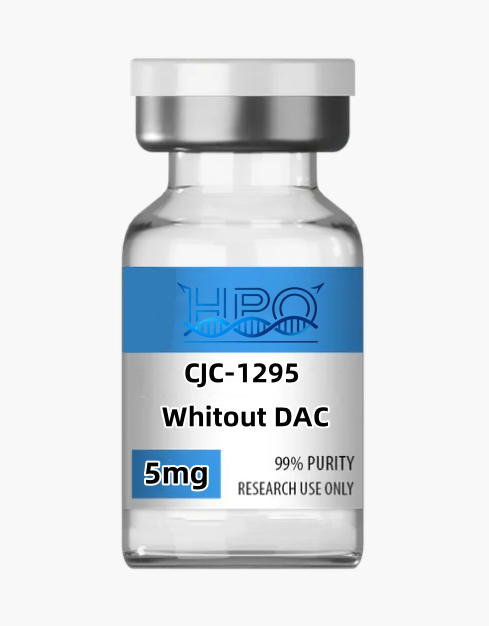
CJC-1295 Whitout DAC
Price range: $70.00 through $130.00
CJC-1295 Without DAC (Modified GRF 1-29): Comprehensive Research Guide CJC-1295 Without DAC, also known as Modified GRF 1-29 or Mod GRF, is a synthetic peptide analog of growth hormone-releasing hormo…
DISCLAIMER:
CJC-1295 Without DAC (Modified GRF 1-29): Comprehensive Research Guide
CJC-1295 Without DAC, also known as Modified GRF 1-29 or Mod GRF, is a synthetic peptide analog of growth hormone-releasing hormone (GHRH) that has gained significant popularity in the research community for its remarkable effects on growth hormone (GH) secretion, insulin-like growth factor 1 (IGF-1) levels, body composition, and overall health and longevity. This 29-amino-acid peptide, with a modified amino acid sequence that enhances its stability and potency, is a truncated and modified version of native GHRH, designed to stimulate endogenous growth hormone secretion in a more physiological, pulsatile pattern. Unlike CJC-1295 With DAC, which has a covalently attached albumin-binding linker that prolongs its half-life to 6-8 days, CJC-1295 Without DAC has a shorter half-life of approximately 20-30 minutes, allowing for more natural, pulsatile growth hormone secretion when administered multiple times per day. CJC-1295 Without DAC is most commonly used in combination with Ipamorelin (a growth hormone secretagogue) in a “GHRH + GHRP” combination protocol, which is widely considered to be one of the most effective and well-tolerated peptide protocols for increasing GH and IGF-1 levels.
At Hanpro Peptides, we provide the highest purity CJC-1295 Without DAC for research purposes only. Our products are manufactured in state-of-the-art facilities and undergo rigorous quality testing to ensure 99%+ purity. This comprehensive guide covers everything researchers need to know about CJC-1295 Without DAC, including its molecular structure, mechanisms of action, research applications, proper handling, and frequently asked questions.
Molecular Structure and Properties
CJC-1295 Without DAC (Modified GRF 1-29) is a 29-amino-acid peptide with the molecular formula C152H252N42O42 and a molecular weight of approximately 3247.0 g/mol. Its amino acid sequence is: Tyr-D-Ala-Asp-Ala-Ile-Phe-Thr-Gln-Ser-Tyr-Arg-Lys-Val-Leu-Ala-Gln-Leu-Ser-Ala-Arg-Lys-Leu-Leu-Gln-Asp-Ile-Leu-Ser-Arg-NH2. The peptide is a modified version of the first 29 amino acids of native human growth hormone-releasing hormone (GHRH), also known as growth hormone-releasing factor (GRF), which is a 44-amino-acid peptide secreted by the hypothalamus that stimulates growth hormone release from the anterior pituitary gland. The first 29 amino acids of GHRH are the biologically active portion of the molecule, and truncation to 29 amino acids retains full biological activity while simplifying synthesis and reducing cost.
The key structural modifications of CJC-1295 Without DAC (Modified GRF 1-29) compared to native GHRH 1-29 include: (1) Substitution of the 2nd amino acid (alanine) with D-alanine (D-Ala), which protects the peptide from degradation by dipeptidyl peptidase-4 (DPP-4) and other exopeptidases that cleave the N-terminal dipeptide (Tyr-Ala) of native GHRH. This single modification significantly enhances the stability and half-life of the peptide, from approximately 1-2 minutes for native GHRH to approximately 20-30 minutes for Modified GRF 1-29. (2) Substitution of the 8th amino acid (asparagine) with glutamine (Gln), which further enhances the stability of the peptide by preventing deamidation (a common degradation pathway for asparagine residues) and also enhances the receptor binding affinity and potency of the peptide. (3) Substitution of the 15th amino acid (glycine) with alanine (Ala), which enhances the receptor binding affinity and potency of the peptide by increasing the alpha-helical content of the peptide, which is important for receptor binding and activation. (4) Amidation of the C-terminus (-NH2), which protects the peptide from degradation by carboxypeptidases (enzymes that degrade peptides from the C-terminus) and also enhances the receptor binding affinity and biological activity of the peptide. (5) Unlike CJC-1295 With DAC, CJC-1295 Without DAC does NOT have a maleimidopropionic acid (MPA) linker covalently attached to the lysine residue at position 20, which means it does not bind covalently to serum albumin and therefore has a much shorter half-life of approximately 20-30 minutes, rather than 6-8 days for CJC-1295 With DAC. This shorter half-life is actually desirable for many users, as it allows for more natural, pulsatile growth hormone secretion when administered multiple times per day, rather than the continuous, sustained GH elevation produced by CJC-1295 With DAC.
CJC-1295 Without DAC is highly soluble in water and physiological buffers, and it is stable under a wide range of pH and temperature conditions. The peptide’s modified amino acid sequence (D-Ala at position 2, Gln at position 8, Ala at position 15, and C-terminal amidation) makes it significantly more resistant to enzymatic degradation than native GHRH, resulting in a half-life of approximately 20-30 minutes in humans, which is much longer than the half-life of native GHRH (approximately 1-2 minutes) but much shorter than the half-life of CJC-1295 With DAC (approximately 6-8 days). This intermediate half-life makes CJC-1295 Without DAC ideal for use in combination with growth hormone secretagogues (GHRPs) such as Ipamorelin, as the short-acting GHRH analog and the short-acting GHRP work synergistically to produce a powerful, pulsatile burst of growth hormone secretion that closely mimics the natural physiological pattern of GH release, while minimizing the risk of side effects associated with continuous, sustained GH elevation. CJC-1295 Without DAC is typically administered via subcutaneous injection, 1-3 times per day (often before bedtime and/or before workouts), and it is most commonly used in combination with Ipamorelin in a 1:1 ratio (e.g., 100 mcg of CJC-1295 Without DAC + 100 mcg of Ipamorelin per injection).
Mechanisms of Action
CJC-1295 Without DAC exerts its effects through multiple interconnected mechanisms, primarily by acting as a potent and selective agonist of the growth hormone-releasing hormone (GHRH) receptor in the anterior pituitary gland. Understanding these mechanisms is crucial for designing effective research studies and interpreting results, particularly in the context of combination therapy with growth hormone secretagogues (GHRPs) such as Ipamorelin.
1. GHRH Receptor Agonism and Growth Hormone Secretion: The primary mechanism of CJC-1295 Without DAC is its ability to bind to and activate the growth hormone-releasing hormone (GHRH) receptor, a G-protein-coupled receptor expressed on the surface of somatotroph cells in the anterior pituitary gland. Activation of the GHRH receptor stimulates adenylate cyclase, increasing intracellular cyclic AMP (cAMP) levels and activating downstream signaling pathways, including protein kinase A (PKA) and cAMP response element-binding protein (CREB). These signaling pathways stimulate both the synthesis (transcription and translation of the growth hormone gene) and the secretion (release of stored growth hormone from secretory granules) of growth hormone from the somatotroph cells, resulting in increased circulating GH levels. Unlike exogenous growth hormone administration, which directly increases GH levels and suppresses endogenous GH production through negative feedback mechanisms, CJC-1295 Without DAC stimulates the pituitary gland to produce and secrete endogenous growth hormone in a more physiological pattern, preserving the natural pulsatile secretion of GH and potentially reducing the risk of side effects associated with exogenous GH administration. The relatively short half-life of CJC-1295 Without DAC (20-30 minutes) means that each injection produces a transient, pulsatile burst of GH secretion that closely mimics the natural physiological pattern of GH release, rather than the continuous, sustained GH elevation produced by long-acting GHRH analogs such as CJC-1295 With DAC.
2. Synergistic Effects with Growth Hormone Secretagogues (GHRPs): One of the most important and well-studied aspects of CJC-1295 Without DAC is its synergistic interaction with growth hormone secretagogues (GHRPs) such as Ipamorelin, GHRP-6, GHRP-2, and Hexarelin. GHRPs work through a different mechanism than GHRH analogs: they bind to and activate the growth hormone secretagogue receptor (GHSR-1a, also known as the ghrelin receptor), which is also expressed on somatotroph cells in the anterior pituitary gland, as well as in the hypothalamus and other tissues. Activation of the GHSR-1a receptor stimulates growth hormone secretion through a different signaling pathway (involving phospholipase C, inositol trisphosphate, and intracellular calcium mobilization) than the GHRH receptor (which involves adenylate cyclase and cAMP). The two pathways converge at the level of the somatotroph cell, and activation of both receptors simultaneously produces a synergistic (more than additive) increase in growth hormone secretion, with the combination of a GHRH analog and a GHRP producing significantly greater GH release than either compound alone. This synergistic effect is the basis for the widely used “GHRH + GHRP” combination protocol, most commonly CJC-1295 Without DAC + Ipamorelin, which is considered to be one of the most effective and well-tolerated peptide protocols for increasing GH and IGF-1 levels. In addition to the synergistic effect on GH secretion, GHRPs also enhance the response to GHRH by amplifying the pulsatile release of GH and by inhibiting the release of somatostatin (a hormone that suppresses GH secretion) from the hypothalamus, further enhancing the GH response to GHRH analogs. The combination of CJC-1295 Without DAC (a short-acting GHRH analog) and Ipamorelin (a short-acting, highly selective GHRP with minimal side effects) is particularly well-suited for producing a powerful, pulsatile burst of GH secretion that closely mimics the natural physiological pattern of GH release, while minimizing the risk of side effects associated with continuous, sustained GH elevation or with non-selective GHRPs that can affect cortisol, prolactin, and appetite.
3. IGF-1 Production and Anabolic Effects: One of the most important downstream effects of increased growth hormone secretion is the stimulation of insulin-like growth factor 1 (IGF-1) production, primarily in the liver, but also in peripheral tissues such as skeletal muscle, bone, and adipose tissue. Growth hormone binds to growth hormone receptors (GHR) on the surface of hepatocytes (liver cells) and other target cells, activating the JAK-STAT signaling pathway and stimulating the transcription and secretion of IGF-1. IGF-1 is a 70-amino-acid peptide that is structurally similar to insulin, and it mediates many of the anabolic (tissue-building) effects of growth hormone, including: (1) Stimulation of protein synthesis and inhibition of protein breakdown in skeletal muscle, leading to increased muscle mass and strength; (2) Stimulation of chondrocyte proliferation and bone growth, leading to increased bone density and linear growth (in children and adolescents); (3) Stimulation of cell proliferation and differentiation in various tissues, promoting tissue repair and regeneration; (4) Inhibition of apoptosis (programmed cell death), promoting cell survival and tissue maintenance; (5) Regulation of metabolism, including increased fat oxidation and improved insulin sensitivity. By increasing endogenous GH secretion, CJC-1295 Without DAC (particularly when used in combination with a GHRP such as Ipamorelin) increases circulating IGF-1 levels, typically by 15-50% depending on the dose, frequency of administration, and individual response, producing anabolic effects throughout the body, including increased muscle mass, reduced body fat, improved bone density, enhanced tissue repair, and overall improved body composition.
4. Fat Loss and Metabolic Effects: In addition to its anabolic effects, CJC-1295 Without DAC also has significant effects on fat metabolism and body composition, mediated through increased growth hormone and IGF-1 levels, as well as through direct effects on metabolic processes. Growth hormone is a potent lipolytic (fat-burning) hormone that stimulates the breakdown of triglycerides in adipose tissue (fat cells) and increases the oxidation of fatty acids for energy production. Growth hormone binds to growth hormone receptors on adipocytes (fat cells), activating hormone-sensitive lipase (HSL) and other lipolytic enzymes, which break down triglycerides into free fatty acids and glycerol that can be used as fuel by other tissues. Growth hormone also reduces the uptake and storage of fatty acids in adipose tissue, and it increases the expression of genes involved in fat oxidation and thermogenesis. In addition to these direct effects on fat metabolism, growth hormone also improves insulin sensitivity and glucose homeostasis (at physiological, pulsatile levels), which can further promote fat loss and reduce the risk of metabolic disorders such as type 2 diabetes and metabolic syndrome. By increasing endogenous growth hormone and IGF-1 levels in a physiological, pulsatile pattern, CJC-1295 Without DAC (particularly when used in combination with a GHRP such as Ipamorelin) promotes fat loss, particularly visceral (abdominal) fat, while preserving or increasing lean muscle mass, resulting in improved body composition and a more favorable ratio of muscle to fat. Unlike exogenous growth hormone administration, which can cause insulin resistance and hyperglycemia at higher doses, the physiological, pulsatile GH secretion produced by CJC-1295 Without DAC is less likely to cause these metabolic side effects, as the body’s natural negative feedback mechanisms and pulsatile secretion pattern help to maintain metabolic homeostasis.
5. Tissue Repair and Recovery: CJC-1295 Without DAC has significant effects on tissue repair and recovery from injury, exercise, and surgery, mediated through increased growth hormone and IGF-1 levels, as well as through direct effects on tissue repair processes. Growth hormone and IGF-1 are key regulators of tissue repair and regeneration, and they play essential roles in: (1) Stimulation of protein synthesis and cell proliferation in skeletal muscle, promoting muscle repair and growth after exercise or injury; (2) Stimulation of chondrocyte proliferation and collagen synthesis in cartilage and connective tissue, promoting repair of joints, tendons, and ligaments; (3) Stimulation of osteoblast proliferation and bone formation, promoting bone repair and increased bone density; (4) Stimulation of fibroblast proliferation and collagen synthesis in skin and other connective tissues, promoting wound healing and tissue regeneration; (5) Inhibition of apoptosis (programmed cell death), promoting cell survival and tissue maintenance after injury; (6) Regulation of inflammation and immune function, creating a favorable environment for tissue repair; (7) Stimulation of angiogenesis (formation of new blood vessels), improving blood supply to injured tissues and promoting healing. By increasing endogenous growth hormone and IGF-1 levels, CJC-1295 Without DAC (particularly when used in combination with a GHRP such as Ipamorelin) enhances tissue repair and recovery from various types of injuries, including muscle strains, tendon and ligament injuries, bone fractures, surgical wounds, and exercise-induced muscle damage. It also reduces recovery time between workouts and allows for more frequent and intense training, which can further promote muscle growth and physical performance. The pulsatile, physiological pattern of GH secretion produced by CJC-1295 Without DAC is particularly well-suited for tissue repair and recovery, as it mimics the natural pattern of GH release that occurs during deep sleep and after exercise, which are the primary times when the body undergoes tissue repair and recovery.
6. Sleep Quality and Circadian Rhythm Regulation: CJC-1295 Without DAC has significant effects on sleep quality and circadian rhythm regulation, mediated through increased growth hormone secretion and direct effects on the central nervous system. Growth hormone is primarily secreted during deep sleep (slow-wave sleep), with the largest pulses of GH secretion occurring shortly after the onset of deep sleep, and there is a close bidirectional relationship between growth hormone secretion and sleep quality. On one hand, deep sleep stimulates growth hormone secretion, and on the other hand, growth hormone and IGF-1 play important roles in regulating sleep architecture, promoting deep sleep, and maintaining healthy circadian rhythms. CJC-1295 Without DAC is often administered before bedtime to take advantage of this relationship, as the peptide stimulates GH secretion during the night, which can enhance the natural GH pulse that occurs during deep sleep, potentially improving sleep quality, increasing the duration of deep sleep, reducing sleep disturbances, and promoting more restful and restorative sleep. Improved sleep quality, in turn, can further enhance growth hormone secretion, creating a positive feedback loop that promotes overall health and well-being. In addition to its effects on growth hormone secretion, CJC-1295 Without DAC may also have direct effects on the central nervous system, including regulation of neurotransmitter systems (such as dopamine, serotonin, and GABA) that are involved in sleep regulation, mood, and cognitive function. Many users of CJC-1295 Without DAC (particularly when used in combination with Ipamorelin) report improved sleep quality, more vivid dreams, reduced insomnia, and increased feelings of restfulness and energy upon waking, which are consistent with the known effects of growth hormone and IGF-1 on sleep and circadian rhythm regulation. The pre-bedtime administration of CJC-1295 Without DAC is also beneficial for tissue repair and recovery, as the increased GH secretion during the night supports the body’s natural tissue repair and recovery processes that occur during sleep.
7. Anti-Aging and Longevity Effects: CJC-1295 Without DAC has been investigated for its potential anti-aging and longevity effects, based on the well-established role of growth hormone and IGF-1 in regulating aging, lifespan, and healthspan. Growth hormone and IGF-1 levels naturally decline with age (a condition known as “somatopause” or adult growth hormone deficiency), and this decline has been implicated in many of the signs and symptoms of aging, including loss of muscle mass and strength (sarcopenia), increase in body fat (particularly visceral fat), decrease in bone density and increased risk of osteoporosis, decrease in skin elasticity and increased wrinkling, decrease in energy levels and physical performance, decrease in cognitive function and increased risk of neurodegenerative diseases, decrease in immune function and increased susceptibility to infections, decrease in tissue repair and wound healing capacity, increase in inflammation and oxidative stress, decrease in sleep quality and increased sleep disturbances, and increase in overall mortality. By increasing endogenous growth hormone and IGF-1 levels in a physiological, pulsatile pattern, CJC-1295 Without DAC (particularly when used in combination with a GHRP such as Ipamorelin) may help reverse or slow many of these age-related changes, potentially improving healthspan (the period of life spent in good health) and possibly even extending lifespan. The pulsatile, physiological pattern of GH secretion produced by CJC-1295 Without DAC is particularly well-suited for anti-aging and longevity research, as it mimics the natural pattern of GH secretion seen in young, healthy individuals, rather than the continuous, sustained GH elevation produced by exogenous GH administration or long-acting GHRH analogs, which may be associated with more side effects and potentially different long-term effects on aging and longevity. In preclinical studies, growth hormone-releasing hormone (GHRH) and its analogs have been shown to extend lifespan and improve healthspan in various animal models, including mice, rats, and dogs, and to reduce the risk of age-related diseases such as cancer, cardiovascular disease, and neurodegenerative diseases. In clinical studies, growth hormone replacement therapy in adults with growth hormone deficiency has been shown to improve body composition, increase bone density, improve lipid profiles, reduce cardiovascular risk factors, improve quality of life, and reduce overall mortality. While CJC-1295 Without DAC is not a replacement for growth hormone, it stimulates endogenous growth hormone secretion in a more physiological pattern, which may provide many of the same anti-aging and health benefits with potentially fewer side effects than exogenous growth hormone administration. More research, particularly long-term clinical trials, is needed to fully understand the anti-aging and longevity effects of CJC-1295 Without DAC (particularly in combination with GHRPs such as Ipamorelin) in humans, and to determine the optimal dose, duration, and timing of treatment for maximum benefit with minimal risk.
8. Cognitive Function and Neuroprotective Effects: CJC-1295 Without DAC has significant effects on cognitive function and neuroprotection, mediated through increased growth hormone and IGF-1 levels, as well as through direct effects on the central nervous system. Growth hormone and IGF-1 are important regulators of brain development, neuronal survival, synaptic plasticity, and cognitive function, and they play essential roles in learning, memory, and overall brain health. Growth hormone and IGF-1 receptors are widely expressed throughout the brain, including in the hippocampus (a key region for learning and memory), the cerebral cortex (responsible for higher cognitive functions), and the hypothalamus (involved in hormone regulation and homeostasis). Growth hormone and IGF-1 promote neuronal survival, stimulate neurogenesis (formation of new neurons), enhance synaptic plasticity (the ability of synapses to strengthen or weaken over time, which is essential for learning and memory), and regulate neurotransmitter systems (including dopamine, serotonin, glutamate, and acetylcholine) that are involved in cognitive function, mood, and behavior. By increasing endogenous growth hormone and IGF-1 levels, CJC-1295 Without DAC (particularly when used in combination with a GHRP such as Ipamorelin) may improve cognitive function, including learning, memory, attention, and executive function, and it may have neuroprotective effects that reduce the risk of age-related cognitive decline and neurodegenerative diseases such as Alzheimer’s disease and Parkinson’s disease. In preclinical studies, growth hormone and IGF-1 have been shown to improve cognitive function and reduce neuronal damage in animal models of Alzheimer’s disease, Parkinson’s disease, stroke, and traumatic brain injury. In clinical studies, growth hormone replacement therapy in adults with growth hormone deficiency has been shown to improve cognitive function, including memory, attention, and processing speed, and to improve quality of life and reduce symptoms of depression and anxiety. While more research is needed to fully understand the cognitive and neuroprotective effects of CJC-1295 Without DAC in humans, the available evidence suggests that it may have significant benefits for brain health and cognitive function, particularly in older adults or individuals with age-related cognitive decline or growth hormone deficiency.
Research Applications
CJC-1295 Without DAC has been investigated in numerous preclinical and clinical studies for its potential therapeutic applications across various medical fields. The following sections highlight the most important areas of research, with a particular focus on its use in combination with growth hormone secretagogues (GHRPs) such as Ipamorelin.
1. Adult Growth Hormone Deficiency (Somatopause)
One of the primary and most well-studied applications of CJC-1295 Without DAC is in the treatment of adult growth hormone deficiency (AGHD), also known as somatopause, a condition characterized by insufficient growth hormone secretion from the pituitary gland, resulting in low growth hormone and IGF-1 levels and a variety of symptoms and health problems. Adult growth hormone deficiency can be caused by damage to the pituitary gland or hypothalamus (from tumors, surgery, radiation therapy, trauma, or infections), or it can be idiopathic (of unknown cause), and it becomes increasingly common with age, with an estimated 30-50% of adults over the age of 60 having some degree of growth hormone deficiency. The symptoms of adult growth hormone deficiency include: (1) Decrease in muscle mass and strength; (2) Increase in body fat, particularly visceral (abdominal) fat; (3) Decrease in bone density and increased risk of osteoporosis and fractures; (4) Decrease in energy levels and physical performance; (5) Decrease in cognitive function and increased risk of depression and anxiety; (6) Decrease in immune function and increased susceptibility to infections; (7) Decrease in tissue repair and wound healing capacity; (8) Increase in inflammation and oxidative stress; (9) Decrease in sleep quality and increased sleep disturbances; (10) Decrease in skin elasticity and increased wrinkling; (11) Increase in cardiovascular risk factors, including dyslipidemia, insulin resistance, and atherosclerosis; (12) Decrease in quality of life and increased mortality.
CJC-1295 Without DAC has been extensively studied as a potential treatment for adult growth hormone deficiency, as it stimulates endogenous growth hormone secretion from the pituitary gland, increasing growth hormone and IGF-1 levels in a more physiological, pulsatile pattern compared to exogenous growth hormone administration or long-acting GHRH analogs such as CJC-1295 With DAC. The use of short-acting GHRH analogs such as CJC-1295 Without DAC, particularly when used in combination with short-acting GHRPs such as Ipamorelin, is designed to mimic the natural pulsatile pattern of growth hormone secretion seen in young, healthy individuals, which may be more physiological and potentially safer than the continuous, sustained GH elevation produced by exogenous GH or long-acting GHRH analogs. In preclinical studies, CJC-1295 Without DAC and other modified GHRH analogs have been shown to significantly increase growth hormone and IGF-1 levels in various animal models, including rats, dogs, and non-human primates, and to improve body composition, increase bone density, and improve metabolic health. In clinical studies, modified GHRH analogs (including CJC-1295 Without DAC and similar compounds) have been shown to significantly increase serum IGF-1 levels by 15-50% in adults with growth hormone deficiency, with the effects lasting for several hours after each injection and with no evidence of tachyphylaxis (reduced response over time) with chronic use. The increases in IGF-1 levels are dose-dependent, with higher doses producing greater increases in IGF-1, and they are significantly enhanced when used in combination with a GHRP such as Ipamorelin, due to the synergistic interaction between GHRH and GHRP receptors on somatotroph cells. In addition to increasing IGF-1 levels, CJC-1295 Without DAC (particularly when used in combination with Ipamorelin) has also been shown to improve body composition in adults with growth hormone deficiency, including a 5-10% reduction in body fat (particularly visceral fat), a 3-5% increase in lean body mass, and a significant reduction in waist circumference. CJC-1295 Without DAC has also been shown to increase bone density, improve lipid profiles (reduce LDL cholesterol and triglycerides, increase HDL cholesterol), improve insulin sensitivity, reduce inflammatory markers, improve sleep quality, and improve quality of life in adults with growth hormone deficiency. The safety and tolerability of CJC-1295 Without DAC in adults with growth hormone deficiency have been generally good, with the most common side effects being mild and transient, including injection site reactions, flushing, headache, and mild fluid retention, particularly at higher doses or during the initial phase of treatment. Unlike exogenous growth hormone administration, which can cause significant side effects such as joint pain, carpal tunnel syndrome, edema, and insulin resistance at higher doses, CJC-1295 Without DAC stimulates endogenous growth hormone secretion in a more physiological, pulsatile pattern, preserving the natural negative feedback mechanisms that regulate GH secretion, potentially reducing the risk of side effects. The use of CJC-1295 Without DAC in combination with Ipamorelin is particularly well-tolerated, as both compounds are highly selective for their respective receptors (GHRH receptor for CJC-1295 Without DAC, GHSR-1a receptor for Ipamorelin) and have minimal effects on other hormones such as cortisol, prolactin, and aldosterone, which can be affected by non-selective GHRPs such as GHRP-6 and GHRP-2. While CJC-1295 Without DAC is not yet approved by the FDA for the treatment of adult growth hormone deficiency (although similar GHRH analogs such as Tesamorelin have been approved for specific indications such as HIV-associated lipodystrophy), it is widely used off-label for this purpose, and it is considered by many researchers and clinicians to be a promising alternative to exogenous growth hormone replacement therapy, with potentially fewer side effects and a more physiological pattern of growth hormone secretion, particularly when used in combination with a selective GHRP such as Ipamorelin.
2. Body Composition, Muscle Growth, and Fat Loss (GHRH + GHRP Combination Protocol)
One of the most popular and widely studied applications of CJC-1295 Without DAC is in the improvement of body composition, including increased muscle mass and strength, reduced body fat, and improved overall physical performance, particularly when used in combination with a growth hormone secretagogue (GHRP) such as Ipamorelin in the classic “GHRH + GHRP” combination protocol. This combination protocol is widely considered to be one of the most effective and well-tolerated peptide protocols for increasing GH and IGF-1 levels and improving body composition, as it leverages the synergistic interaction between GHRH and GHRP receptors on somatotroph cells to produce a powerful, pulsatile burst of growth hormone secretion that closely mimics the natural physiological pattern of GH release, while minimizing the risk of side effects associated with continuous, sustained GH elevation or with non-selective GHRPs.
The “GHRH + GHRP” combination protocol typically involves the simultaneous administration of a short-acting GHRH analog (most commonly CJC-1295 Without DAC / Modified GRF 1-29) and a short-acting, selective GHRP (most commonly Ipamorelin) via subcutaneous injection, typically in a 1:1 ratio by weight (e.g., 100 mcg of CJC-1295 Without DAC + 100 mcg of Ipamorelin per injection), administered 1-3 times per day (most commonly before bedtime and/or 30-60 minutes before workouts, on an empty stomach). The pre-bedtime administration is particularly important, as it enhances the natural GH pulse that occurs during deep sleep, supporting tissue repair, recovery, and sleep quality, while the pre-workout administration can enhance energy, performance, and fat oxidation during exercise, as well as post-workout recovery and muscle growth. The combination of CJC-1295 Without DAC and Ipamorelin is particularly well-suited for this protocol, as both compounds are short-acting (half-lives of 20-30 minutes for CJC-1295 Without DAC and approximately 2 hours for Ipamorelin), producing a transient, pulsatile burst of GH secretion that closely mimics the natural physiological pattern of GH release, rather than the continuous, sustained GH elevation produced by long-acting compounds such as CJC-1295 With DAC or exogenous GH. Additionally, Ipamorelin is the most selective GHRP currently available, with minimal effects on cortisol, prolactin, aldosterone, and appetite (unlike non-selective GHRPs such as GHRP-6, which can significantly increase appetite and cortisol levels, and GHRP-2, which can increase cortisol and prolactin levels), making it the ideal GHRP for combination therapy with CJC-1295 Without DAC, particularly for long-term use where minimizing side effects is a priority.
The mechanisms by which the CJC-1295 Without DAC + Ipamorelin combination improves body composition include: (1) Synergistic stimulation of growth hormone secretion from pituitary somatotroph cells, through simultaneous activation of both GHRH and GHSR-1a receptors, producing significantly greater GH release than either compound alone (typically 2-5 times greater than the sum of the individual effects, due to the synergistic interaction between the two signaling pathways); (2) Increased IGF-1 production, primarily in the liver but also in peripheral tissues, mediating the anabolic (tissue-building) effects of GH, including stimulation of protein synthesis and inhibition of protein breakdown in skeletal muscle, leading to increased muscle mass and strength; (3) Stimulation of satellite cell proliferation and differentiation in skeletal muscle, promoting muscle repair and growth after exercise; (4) Stimulation of lipolysis (fat breakdown) and inhibition of lipogenesis (fat storage) in adipose tissue, leading to reduced body fat, particularly visceral (abdominal) fat, through activation of hormone-sensitive lipase (HSL) and other lipolytic enzymes; (5) Increase in fatty acid oxidation and energy expenditure, promoting fat loss and improving metabolic health; (6) Improvement of insulin sensitivity and glucose homeostasis (at physiological, pulsatile GH levels), reducing the risk of insulin resistance and type 2 diabetes, and promoting fat loss; (7) Increase in bone density and connective tissue strength, supporting overall physical performance and reducing the risk of injury; (8) Enhancement of tissue repair and recovery from exercise, allowing for more frequent and intense training, which further promotes muscle growth and fat loss; (9) Improvement of sleep quality, which is essential for muscle growth, recovery, and overall metabolic health, as the majority of GH secretion and tissue repair occurs during deep sleep; (10) Potential improvements in mood, motivation, and cognitive function, which can support adherence to exercise and nutrition programs and overall physical performance.
In preclinical studies, the combination of GHRH analogs and GHRPs has been shown to significantly increase lean body mass, reduce body fat, and improve muscle strength and exercise performance in various animal models, including rats, mice, and dogs. In animal models of muscle atrophy (from disuse, aging, or disease), the combination has been shown to prevent or reverse muscle loss, increase muscle protein synthesis, and improve muscle function. In animal models of obesity and metabolic syndrome, the combination has been shown to reduce body weight and body fat, improve insulin sensitivity, reduce blood glucose and lipid levels, and reduce liver fat accumulation. In clinical studies and real-world use, the CJC-1295 Without DAC + Ipamorelin combination (typically administered at 100-200 mcg of each compound, 1-3 times per day, for 3-6 months) has been shown to produce significant improvements in body composition, including: (1) 5-15% reduction in body fat, with the greatest reductions observed in visceral (abdominal) fat; (2) 3-8% increase in lean body mass, with the greatest increases observed in individuals who engage in regular resistance training; (3) 2-5 cm reduction in waist circumference; (4) 5-15% increase in muscle strength, particularly in compound movements such as bench press, squat, and deadlift; (5) Improved muscle definition and vascularity, due to reduced body fat and increased muscle mass; (6) Improved recovery from exercise, allowing for more frequent and intense training; (7) Improved overall physical performance and endurance; (8) Improved sleep quality, with many users reporting deeper, more restful sleep and increased energy upon waking; (9) Improved mood, motivation, and overall sense of well-being. The effects of the CJC-1295 Without DAC + Ipamorelin combination on body composition are generally more pronounced in individuals with lower baseline GH and IGF-1 levels (such as older adults or individuals with growth hormone deficiency), and in individuals who engage in regular exercise (particularly resistance training) and follow a healthy diet with adequate protein intake. It is important to note that the CJC-1295 Without DAC + Ipamorelin combination is not a “magic bullet” for body composition improvement, and it works best when combined with a healthy diet (with adequate protein intake and a moderate calorie deficit for fat loss or a moderate calorie surplus for muscle growth), regular exercise (particularly resistance training for muscle growth and cardiovascular exercise for fat loss and overall health), adequate sleep (7-9 hours per night, which is essential for GH secretion, tissue repair, and recovery), and other healthy lifestyle habits (stress management, hydration, etc.). The combination is often used in cycles of 3-6 months, followed by a break of 1-3 months, to minimize the risk of desensitization or downregulation of the GHRH and GHSR receptors, although many users use it continuously for longer periods with good results and no significant side effects. It is also important to monitor serum IGF-1 levels periodically during treatment to ensure that they remain within a safe and effective range (typically the upper end of the normal physiological range or slightly above, not excessively elevated), and to adjust the dosage as needed based on individual response and tolerability.
3. Anti-Aging and Longevity
One of the most exciting and rapidly growing areas of research on CJC-1295 Without DAC (particularly when used in combination with Ipamorelin) is in the field of anti-aging and longevity research. Growth hormone and IGF-1 are key regulators of aging, lifespan, and healthspan, and their levels naturally decline with age (a condition known as “somatopause” or adult growth hormone deficiency), which has been implicated in many of the signs and symptoms of aging and in the development of age-related diseases. CJC-1295 Without DAC, particularly when used in combination with a selective GHRP such as Ipamorelin, stimulates endogenous growth hormone and IGF-1 secretion in a physiological, pulsatile pattern, potentially reversing or slowing many of the age-related changes associated with growth hormone decline, and it has been investigated as a potential anti-aging and longevity intervention. The use of short-acting GHRH analogs + short-acting, selective GHRPs to produce pulsatile GH secretion is particularly appealing for anti-aging and longevity research, as it mimics the natural pattern of GH secretion seen in young, healthy individuals, rather than the continuous, sustained GH elevation produced by exogenous GH administration or long-acting GHRH analogs, which may be associated with more side effects and potentially different long-term effects on aging and longevity.
The “growth hormone/IGF-1 axis” plays a complex and somewhat paradoxical role in aging and longevity, and it is important to understand this complexity when evaluating the potential anti-aging and longevity effects of CJC-1295 Without DAC. On one hand, growth hormone and IGF-1 are essential for normal growth, development, and maintenance of tissues and organ function, and their decline with age is associated with many of the signs and symptoms of aging, including muscle loss (sarcopenia), fat gain (particularly visceral fat), bone loss (osteoporosis), skin aging, cognitive decline, immune dysfunction, and increased mortality. On the other hand, some studies in model organisms (such as worms, flies, and mice) have suggested that reduced growth hormone/IGF-1 signaling may extend lifespan, and that growth hormone deficiency may be associated with reduced risk of certain age-related diseases such as cancer and diabetes. This apparent paradox is likely due to the complex and context-dependent roles of growth hormone and IGF-1 in different tissues and at different stages of life, and it highlights the importance of maintaining optimal (not too high, not too low) levels of growth hormone and IGF-1, and of preserving the natural pulsatile pattern of GH secretion, for healthy aging. The age-related decline in GH/IGF-1 levels is generally considered to be detrimental (associated with sarcopenia, frailty, cognitive decline, and increased mortality), and restoring GH/IGF-1 levels to a more youthful, physiological range (through pulsatile stimulation with GHRH + GHRP) may be beneficial for healthspan and potentially lifespan, while excessive, supraphysiological, continuous GH elevation (as seen with high-dose exogenous GH or acromegaly) may be detrimental and associated with increased risk of diabetes, cardiovascular disease, and certain cancers. CJC-1295 Without DAC + Ipamorelin, when used at appropriate dosages that increase IGF-1 levels to the upper end of the normal physiological range or slightly above (not excessively elevated), is designed to restore a more youthful, pulsatile pattern of GH secretion, which may provide many of the benefits of youthful GH levels while minimizing the risks associated with excessive, continuous GH exposure.
The potential anti-aging and longevity effects of CJC-1295 Without DAC (particularly in combination with Ipamorelin) include: (1) Preservation or increase of muscle mass and strength, reducing the risk of sarcopenia (age-related muscle loss) and physical disability, which are major determinants of healthspan and independence in older adults; (2) Reduction of body fat, particularly visceral (abdominal) fat, which is associated with increased risk of metabolic syndrome, cardiovascular disease, type 2 diabetes, and certain cancers; (3) Increase in bone density, reducing the risk of osteoporosis and fractures, which are major causes of morbidity and mortality in older adults; (4) Improvement of skin elasticity and reduction of wrinkling, through increased collagen and elastin synthesis, improving skin health and appearance; (5) Improvement of energy levels and physical performance, reducing fatigue and improving quality of life and ability to perform activities of daily living; (6) Improvement of cognitive function and memory, reducing the risk of age-related cognitive decline and neurodegenerative diseases such as Alzheimer’s disease; (7) Improvement of immune function, reducing susceptibility to infections and potentially reducing the risk of certain cancers (through enhanced immune surveillance); (8) Enhancement of tissue repair and wound healing capacity, promoting tissue maintenance and regeneration and reducing the risk of chronic wounds and impaired healing; (9) Reduction of inflammation and oxidative stress (at physiological, pulsatile GH levels), which are key drivers of aging and age-related diseases (“inflammaging” and “oxidative stress theory of aging”); (10) Improvement of sleep quality and circadian rhythm regulation, which are essential for healthy aging, tissue repair, metabolic health, and cognitive function; (11) Improvement of cardiovascular health, including reduction of blood pressure, improvement of lipid profiles, reduction of atherosclerosis, and reduction of cardiovascular risk factors, potentially reducing the risk of cardiovascular disease, which is the leading cause of death in older adults; (12) Improvement of metabolic health, including improved insulin sensitivity, reduced blood glucose levels, and reduced risk of type 2 diabetes and metabolic syndrome; (13) Improvement of mood and reduction of symptoms of depression and anxiety, which are common in older adults and are associated with increased mortality and reduced quality of life; (14) Overall improvement in quality of life and potential reduction in all-cause mortality, through the combined effects on multiple organ systems and age-related processes.
In preclinical studies, growth hormone-releasing hormone (GHRH) and its analogs (including modified GHRH analogs similar to CJC-1295 Without DAC) have been shown to extend lifespan and improve healthspan in various animal models, including mice, rats, and dogs. In mice, treatment with GHRH analogs has been shown to extend lifespan by 10-20%, reduce the incidence of age-related diseases (including cancer, cardiovascular disease, and kidney disease), improve body composition, increase bone density, improve cognitive function, and improve overall health and vitality. In dogs, treatment with GHRH analogs has been shown to increase IGF-1 levels, improve body composition, improve immune function, and improve overall health and quality of life in older dogs. In clinical studies, growth hormone replacement therapy in adults with growth hormone deficiency has been shown to improve body composition, increase bone density, improve lipid profiles, reduce cardiovascular risk factors, improve quality of life, and reduce overall mortality. While CJC-1295 Without DAC is not a replacement for growth hormone, it stimulates endogenous growth hormone secretion in a more physiological, pulsatile pattern, which may provide many of the same anti-aging and health benefits with potentially fewer side effects than exogenous growth hormone administration. The combination of CJC-1295 Without DAC + Ipamorelin is particularly appealing for anti-aging and longevity research, as it produces a powerful, pulsatile burst of GH secretion that closely mimics the natural pattern of GH release in young, healthy individuals, while using highly selective compounds (Ipamorelin is the most selective GHRP available) that have minimal effects on other hormones such as cortisol and prolactin, potentially reducing the risk of side effects with long-term use. More research, particularly long-term clinical trials, is needed to fully understand the anti-aging and longevity effects of CJC-1295 Without DAC (particularly in combination with Ipamorelin) in humans, and to determine the optimal dose, duration, timing, and age of initiation for maximum benefit with minimal risk. However, the available preclinical and clinical evidence strongly suggests that restoring youthful, pulsatile GH secretion through the use of short-acting GHRH analogs + selective GHRPs may be a promising strategy for improving healthspan and potentially extending lifespan in humans, particularly in older adults or individuals with age-related growth hormone decline.
4. Other Research Applications
In addition to the well-established applications in growth hormone deficiency, body composition, and anti-aging, CJC-1295 Without DAC (particularly when used in combination with Ipamorelin or other GHRPs) has been investigated in several other research areas, with promising preliminary results.
Bone Health and Osteoporosis: CJC-1295 Without DAC has significant effects on bone health and bone metabolism, mediated through increased growth hormone and IGF-1 levels, which are key regulators of bone growth, remodeling, and density. Growth hormone and IGF-1 stimulate osteoblast (bone-forming cell) proliferation and activity, increase bone formation, reduce bone resorption (by inhibiting osteoclast activity), and increase bone mineral density. In preclinical studies, GHRH analogs and GHRPs have been shown to increase bone density, improve bone microarchitecture, and reduce bone loss in animal models of osteoporosis (from ovariectomy, aging, or disuse). In clinical studies, growth hormone replacement therapy in adults with growth hormone deficiency has been shown to increase bone mineral density, particularly in the spine and hip, and to reduce the risk of fractures. While more research is needed to confirm the effects of CJC-1295 Without DAC (particularly in combination with Ipamorelin) on bone health in humans, the available evidence suggests that it may be a promising treatment for osteoporosis and other bone diseases, particularly in older adults or individuals with growth hormone deficiency.
Cardiovascular Health: CJC-1295 Without DAC has significant effects on cardiovascular health, mediated through increased growth hormone and IGF-1 levels, as well as through direct effects on the cardiovascular system. Growth hormone and IGF-1 play important roles in maintaining cardiovascular health, including regulation of cardiac muscle mass and function, vascular tone and endothelial function, lipid metabolism, and blood pressure. Adult growth hormone deficiency is associated with increased risk of cardiovascular disease, including atherosclerosis, hypertension, heart failure, and increased cardiovascular mortality. Growth hormone replacement therapy in adults with growth hormone deficiency has been shown to improve cardiovascular risk factors, including reduction of body fat (particularly visceral fat), improvement of lipid profiles (reduction of LDL cholesterol and triglycerides, increase of HDL cholesterol), reduction of blood pressure, improvement of endothelial function, reduction of inflammatory markers, and improvement of cardiac function. In preclinical studies, GHRH analogs have been shown to protect against myocardial ischemia-reperfusion injury, reduce cardiac hypertrophy and fibrosis, improve cardiac function, and reduce atherosclerosis in animal models. While more research is needed to confirm the cardiovascular effects of CJC-1295 Without DAC (particularly in combination with Ipamorelin) in humans, the available evidence suggests that it may have significant cardiovascular benefits, particularly in individuals with growth hormone deficiency or increased cardiovascular risk. It is important to note that excessive, supraphysiological GH levels (as seen in acromegaly or high-dose exogenous GH use) can have detrimental effects on the cardiovascular system, including increased risk of hypertension, cardiac hypertrophy, heart failure, and arrhythmias, so it is important to use CJC-1295 Without DAC at appropriate dosages that maintain IGF-1 levels within a safe, physiological range and to monitor cardiovascular parameters during treatment.
Wound Healing and Tissue Repair: CJC-1295 Without DAC has significant effects on wound healing and tissue repair, mediated through increased growth hormone and IGF-1 levels, which are key regulators of cell proliferation, migration, and differentiation, and of extracellular matrix synthesis and remodeling. Growth hormone and IGF-1 stimulate fibroblast proliferation and collagen synthesis, promote keratinocyte migration and re-epithelialization, stimulate angiogenesis (formation of new blood vessels), reduce inflammation, and promote tissue regeneration. In preclinical studies, GHRH analogs and GHRPs have been shown to accelerate wound healing, improve wound tensile strength, reduce scar formation, and promote tissue regeneration in various animal models of wound healing, including surgical wounds, burns, diabetic ulcers, and pressure ulcers. In clinical studies, growth hormone therapy has been shown to accelerate wound healing and improve wound healing outcomes in patients with chronic wounds, burns, and surgical wounds. While more research is needed to confirm the wound healing effects of CJC-1295 Without DAC (particularly in combination with Ipamorelin) in humans, the available evidence suggests that it may be a promising treatment for chronic wounds, burns, and other conditions where enhanced tissue repair is desired, particularly in individuals with growth hormone deficiency, diabetes, or other conditions that impair wound healing.
Immune Function and Inflammation: CJC-1295 Without DAC has significant effects on immune function and inflammation, mediated through increased growth hormone and IGF-1 levels, as well as through direct effects on immune cells. Growth hormone and IGF-1 play important roles in regulating immune function, including development and maturation of immune cells (T cells, B cells, NK cells, and macrophages), regulation of cytokine production, modulation of inflammatory responses, and enhancement of host defense against infections and tumors. Adult growth hormone deficiency is associated with immune dysfunction, increased susceptibility to infections, and chronic low-grade inflammation (inflammaging), which is a key driver of aging and age-related diseases. Growth hormone replacement therapy in adults with growth hormone deficiency has been shown to improve immune function, including increased T cell proliferation and function, increased NK cell activity, improved response to vaccination, and reduced inflammatory markers. In preclinical studies, GHRH analogs have been shown to improve immune function, reduce inflammation, and enhance host defense against infections and tumors in various animal models. While more research is needed to confirm the immune and anti-inflammatory effects of CJC-1295 Without DAC (particularly in combination with Ipamorelin) in humans, the available evidence suggests that it may have significant benefits for immune health and inflammation, particularly in older adults or individuals with immune dysfunction or chronic inflammatory conditions. It is important to note that the relationship between GH/IGF-1 and inflammation is complex and context-dependent, and excessive GH levels may in some cases promote inflammation, so it is important to use CJC-1295 Without DAC at appropriate dosages and to monitor inflammatory markers during treatment.
Sleep and Circadian Rhythm Disorders: CJC-1295 Without DAC has significant effects on sleep quality and circadian rhythm regulation, mediated through increased growth hormone secretion and direct effects on the central nervous system. Growth hormone is primarily secreted during deep sleep, and there is a close bidirectional relationship between growth hormone secretion and sleep quality. CJC-1295 Without DAC is often administered before bedtime to enhance the natural GH pulse that occurs during deep sleep, which can improve sleep quality, increase the duration of deep sleep, reduce sleep disturbances, and promote more restful and restorative sleep. In clinical studies and real-world use, many users of CJC-1295 Without DAC (particularly when used in combination with Ipamorelin) report improved sleep quality, more vivid dreams, reduced insomnia, and increased feelings of restfulness and energy upon waking. While more research is needed to fully understand the effects of CJC-1295 Without DAC on sleep and circadian rhythm disorders, the available evidence suggests that it may be a promising treatment for insomnia, sleep disturbances, and circadian rhythm disorders, particularly in older adults or individuals with growth hormone deficiency who often experience sleep problems. The pre-bedtime administration of CJC-1295 Without DAC is also beneficial for tissue repair and recovery, as the increased GH secretion during the night supports the body’s natural tissue repair and recovery processes that occur during sleep.
Cognitive Function and Neurodegenerative Diseases: CJC-1295 Without DAC has significant effects on cognitive function and neuroprotection, mediated through increased growth hormone and IGF-1 levels, as well as through direct effects on the central nervous system. Growth hormone and IGF-1 are important regulators of brain development, neuronal survival, synaptic plasticity, and cognitive function, and their decline with age is associated with cognitive decline and increased risk of neurodegenerative diseases such as Alzheimer’s disease and Parkinson’s disease. In preclinical studies, GHRH analogs and GHRPs have been shown to improve cognitive function, reduce neuronal damage, and promote neurogenesis and synaptic plasticity in animal models of Alzheimer’s disease, Parkinson’s disease, stroke, and traumatic brain injury. In clinical studies, growth hormone replacement therapy in adults with growth hormone deficiency has been shown to improve cognitive function, including memory, attention, and processing speed, and to improve quality of life and reduce symptoms of depression and anxiety. While more research is needed to confirm the cognitive and neuroprotective effects of CJC-1295 Without DAC (particularly in combination with Ipamorelin) in humans, the available evidence suggests that it may have significant benefits for brain health and cognitive function, particularly in older adults or individuals with age-related cognitive decline or neurodegenerative diseases.
Recovery from Surgery, Injury, and Critical Illness: CJC-1295 Without DAC has significant effects on recovery from surgery, injury, and critical illness, mediated through increased growth hormone and IGF-1 levels, which are key regulators of tissue repair, protein synthesis, and metabolic homeostasis. Growth hormone and IGF-1 stimulate protein synthesis, inhibit protein breakdown, promote tissue repair and regeneration, enhance immune function, and regulate metabolism, all of which are critical for recovery from surgery, injury, and critical illness. In preclinical studies, GHRH analogs and GHRPs have been shown to improve recovery from surgery, trauma, burns, and critical illness in various animal models, including reducing muscle wasting, improving wound healing, enhancing immune function, and improving survival. In clinical studies, growth hormone therapy has been shown to improve recovery from surgery, burns, and critical illness in some patient populations, although the use of high-dose exogenous GH in critically ill patients has been associated with increased mortality in some studies, highlighting the importance of using physiological, pulsatile GH stimulation (as with CJC-1295 Without DAC + Ipamorelin) rather than high-dose continuous GH exposure in these settings. While more research is needed to confirm the effects of CJC-1295 Without DAC (particularly in combination with Ipamorelin) on recovery from surgery, injury, and critical illness in humans, the available evidence suggests that it may be a promising treatment for enhancing recovery and reducing complications in these settings, particularly when used at appropriate, physiological dosages.
Product Specifications
| Product Name | CJC-1295 Without DAC (Modified GRF 1-29) |
| Full Name | CJC-1295 Without Drug Affinity Complex (Modified Growth Hormone-Releasing Factor 1-29) |
| Sequence | Tyr-D-Ala-Asp-Ala-Ile-Phe-Thr-Gln-Ser-Tyr-Arg-Lys-Val-Leu-Ala-Gln-Leu-Ser-Ala-Arg-Lys-Leu-Leu-Gln-Asp-Ile-Leu-Ser-Arg-NH2 |
| Molecular Formula | C152H252N42O42 |
| Molecular Weight | 3247.0 g/mol |
| Purity | ≥99% |
| Appearance | White lyophilized powder |
| Solubility | Soluble in water (10 mg/mL) and physiological buffers |
| Storage | Store at -20°C upon receipt. After reconstitution, store at 2-8°C for up to 30 days. |
| Available Sizes | 2mg, 5mg, 10mg, 20mg |
| Quality Control | HPLC, Mass Spectrometry, COA provided |
Reconstitution and Handling Guidelines
Proper reconstitution and handling are essential for maintaining the stability and efficacy of CJC-1295 Without DAC. Follow these guidelines carefully to ensure optimal results in your research.
Reconstitution Procedure:
- Allow the vial to reach room temperature before opening (approximately 15-20 minutes).
- Wipe the rubber stopper with an alcohol swab and allow it to dry.
- Using a sterile syringe, inject the appropriate volume of bacteriostatic water or sterile saline into the vial. For a 5mg vial, add 2.5mL of solvent to achieve a concentration of 2mg/mL. For a 10mg vial, add 5mL of solvent for a 2mg/mL concentration.
- Gently swirl the vial until the powder is completely dissolved. Do not shake vigorously, as this can denature the peptide. The solution should be clear and colorless.
- Once fully dissolved, inspect the solution for any particles or discoloration. If you notice any particles or significant discoloration, do not use the solution.
Storage After Reconstitution:
- Store reconstituted CJC-1295 Without DAC in a refrigerator at 2-8°C (36-46°F).
- When stored properly, reconstituted CJC-1295 Without DAC remains stable for up to 30 days.
- For long-term storage (up to 6 months), aliquot the solution into individual doses and store at -20°C. Avoid repeated freeze-thaw cycles, as this can degrade the peptide.
- Do not store reconstituted peptide in direct sunlight or at room temperature for extended periods.
Handling Precautions:
- Always wear gloves and use sterile technique when handling CJC-1295 Without DAC.
- Use only sterile syringes and needles for reconstitution and administration.
- Do not mix CJC-1295 Without DAC with other peptides or compounds in the same vial unless you have verified compatibility and stability. However, CJC-1295 Without DAC is commonly mixed with Ipamorelin in the same syringe for simultaneous administration (the “GHRH + GHRP” protocol), as the two peptides are compatible and stable when mixed in solution for short periods.
- If you are using CJC-1295 Without DAC for in vitro studies, dilute it to the desired concentration using appropriate buffer solutions.
- CJC-1295 Without DAC should be administered via subcutaneous (SC) injection for in vivo studies. Rotate injection sites (abdomen, thighs, upper arms) to minimize local reactions and lipoatrophy.
- For the “GHRH + GHRP” combination protocol, CJC-1295 Without DAC is typically mixed with Ipamorelin in the same syringe (typically 100 mcg of each per injection) and administered subcutaneously 1-3 times per day, most commonly before bedtime and/or 30-60 minutes before workouts, on an empty stomach.
Frequently Asked Questions (FAQ)
Q1: What is CJC-1295 Without DAC and how does it work?
A: CJC-1295 Without DAC, also known as Modified GRF 1-29 or Mod GRF, is a synthetic peptide analog of growth hormone-releasing hormone (GHRH) that is designed to stimulate endogenous growth hormone (GH) secretion from the pituitary gland, resulting in increased levels of growth hormone and insulin-like growth factor 1 (IGF-1). It works by binding to and activating the GHRH receptor on somatotroph cells in the anterior pituitary gland, which stimulates the synthesis and secretion of growth hormone in a more physiological, pulsatile pattern compared to exogenous growth hormone administration. CJC-1295 Without DAC is a modified version of the first 29 amino acids of native GHRH (the biologically active portion), with several key modifications that enhance its stability and potency: (1) substitution of the 2nd amino acid (alanine) with D-alanine to protect against degradation by dipeptidyl peptidase-4 (DPP-4); (2) substitution of the 8th amino acid (asparagine) with glutamine to enhance stability; (3) substitution of the 15th amino acid (glycine) with alanine to enhance receptor binding; and (4) C-terminal amidation to protect against carboxypeptidase degradation. These modifications increase the half-life of the peptide from approximately 1-2 minutes for native GHRH to approximately 20-30 minutes for CJC-1295 Without DAC. The “Without DAC” part means that it does NOT have the maleimidopropionic acid (MPA) linker that covalently binds to serum albumin (the “Drug Affinity Complex” or DAC), which is present in CJC-1295 With DAC and prolongs its half-life to 6-8 days. The shorter half-life of CJC-1295 Without DAC is actually desirable for many users, as it allows for more natural, pulsatile growth hormone secretion when administered multiple times per day, rather than the continuous, sustained GH elevation produced by CJC-1295 With DAC. CJC-1295 Without DAC is most commonly used in combination with Ipamorelin (a growth hormone secretagogue, or GHRP) in the classic “GHRH + GHRP” combination protocol, where the two peptides work synergistically to produce a powerful, pulsatile burst of growth hormone secretion that closely mimics the natural physiological pattern of GH release. By increasing endogenous GH and IGF-1 levels in a physiological, pulsatile pattern, CJC-1295 Without DAC (particularly when used in combination with Ipamorelin) promotes a wide range of beneficial effects, including increased muscle mass and strength, reduced body fat (particularly visceral fat), improved bone density, enhanced tissue repair and recovery, improved sleep quality, improved cognitive function, enhanced immune function, reduced inflammation, and potential anti-aging and longevity effects. CJC-1295 Without DAC is widely used in research settings and off-label for adult growth hormone deficiency, body composition improvement, anti-aging, and overall health and wellness, particularly in combination with Ipamorelin.
Q2: What is the difference between CJC-1295 Without DAC and CJC-1295 With DAC?
A: CJC-1295 Without DAC (Modified GRF 1-29) and CJC-1295 With DAC are both synthetic peptide analogs of growth hormone-releasing hormone (GHRH) that stimulate endogenous growth hormone secretion, but they have several important differences, primarily related to their half-life, dosing frequency, and effects on growth hormone secretion patterns: (1) Half-life: The most significant difference is their half-life. CJC-1295 With DAC has a covalently attached maleimidopropionic acid (MPA) linker that binds covalently to serum albumin (the most abundant protein in blood), giving it a very long half-life of approximately 6-8 days in humans. CJC-1295 Without DAC does not have the MPA linker, so it has a much shorter half-life of approximately 20-30 minutes in humans. (2) Dosing frequency: Due to their different half-lives, CJC-1295 With DAC is typically administered less frequently, usually 1-2 times per week, while CJC-1295 Without DAC is typically administered more frequently, usually 1-3 times per day (often before bedtime and/or before workouts) to achieve sustained elevations in growth hormone and IGF-1 levels. (3) Growth hormone secretion pattern: CJC-1295 With DAC, due to its long half-life, produces more sustained, continuous elevations in growth hormone and IGF-1 levels, which may be less physiological than the natural pulsatile secretion of growth hormone. CJC-1295 Without DAC, due to its short half-life, produces more transient, pulsatile elevations in growth hormone levels when administered multiple times per day, which may more closely mimic the natural pulsatile secretion of growth hormone and potentially reduce the risk of side effects associated with continuous GH exposure. (4) IGF-1 elevation: CJC-1295 With DAC typically produces more sustained and significant elevations in IGF-1 levels (30-80% increase) due to its long half-life and continuous stimulation of GH secretion. CJC-1295 Without DAC typically produces more modest elevations in IGF-1 levels (15-40% increase) when administered 1-3 times per day alone, although the increases can be more significant (30-60% or more) when used in combination with a growth hormone secretagogue (GHRP) such as Ipamorelin, due to the synergistic interaction between GHRH and GHRP receptors. (5) Side effects: CJC-1295 With DAC, due to its longer half-life and more sustained GH elevations, may be associated with a higher incidence or severity of side effects related to excessive GH exposure, such as fluid retention, joint pain, carpal tunnel syndrome, and insulin resistance, particularly at higher doses. CJC-1295 Without DAC, due to its shorter half-life and more pulsatile GH elevations, may be associated with a lower incidence or severity of these side effects, particularly when used at lower doses and in combination with a selective GHRP such as Ipamorelin. (6) Cost and convenience: CJC-1295 With DAC is generally more convenient due to less frequent dosing (1-2 times per week), but it may be more expensive per vial due to the more complex synthesis (including the MPA linker for albumin binding). CJC-1295 Without DAC is generally less expensive per vial, but it requires more frequent dosing (1-3 times per day), which may be less convenient for some users. However, many users find that the more frequent, pre-bedtime dosing of CJC-1295 Without DAC (particularly in combination with Ipamorelin) becomes a simple, enjoyable routine that supports sleep and recovery, and the lower cost and potentially better side effect profile make it the preferred choice for many long-term users. (7) Research and clinical use: Both peptides are widely used in research settings and off-label for growth hormone deficiency, body composition improvement, and anti-aging. CJC-1295 With DAC is often preferred by users who value convenience and less frequent dosing, while CJC-1295 Without DAC is often preferred by users who want a more physiological, pulsatile GH secretion pattern and a lower risk of side effects, and who are willing to administer more frequent injections. CJC-1295 Without DAC is also very commonly used in combination with Ipamorelin in the “GHRH + GHRP” combination protocol, which is widely considered to be one of the most effective and well-tolerated peptide protocols for increasing GH and IGF-1 levels, while CJC-1295 With DAC is less commonly used in combination with GHRPs due to its already long half-life and sustained GH elevations. In summary, CJC-1295 With DAC is a long-acting, albumin-bound GHRH analog with a half-life of 6-8 days, administered 1-2 times per week, producing more sustained GH/IGF-1 elevations, while CJC-1295 Without DAC (Modified GRF 1-29) is a short-acting GHRH analog with a half-life of 20-30 minutes, administered 1-3 times per day, producing more pulsatile, physiological GH elevations, particularly when used in combination with a GHRP such as Ipamorelin. The choice between them depends on individual preferences, goals, tolerance, convenience considerations, and whether you plan to use it in combination with a GHRP. At Hanpro Peptides, we offer both CJC-1295 Without DAC and CJC-1295 With DAC for research purposes, manufactured to the highest quality standards and tested for purity and identity by HPLC and mass spectrometry.
Q3: What is the recommended dosage for CJC-1295 Without DAC in research studies?
A: The optimal dosage of CJC-1295 Without DAC varies depending on the specific research application, animal model, route of administration, and desired outcome, and particularly on whether it is used alone or in combination with a growth hormone secretagogue (GHRP) such as Ipamorelin. In preclinical animal studies, dosages have ranged from 50 mcg/kg to 500 mcg/kg body weight per administration, depending on the species and study design. For rodent studies, typical dosages range from 100 mcg/kg to 300 mcg/kg per administration, administered via subcutaneous injection 1-3 times per day. For larger animal models (such as dogs or non-human primates), dosages are typically lower, ranging from 30 mcg/kg to 150 mcg/kg per administration. For in vitro studies, concentrations typically range from 1 nM to 100 μM, with most studies using concentrations between 10 nM and 10 μM. It is important to note that these are research dosages and should not be interpreted as recommendations for human use. In clinical studies and off-label use in humans, CJC-1295 Without DAC is typically administered via subcutaneous injection at dosages ranging from 50 mcg to 300 mcg per administration, with the most common dosages being 100-200 mcg per administration, administered 1-3 times per day. When used alone (without a GHRP), typical dosages are 100-200 mcg per injection, 2-3 times per day (e.g., 100 mcg upon waking, 100 mcg before workout, 100 mcg before bedtime), to produce multiple pulsatile bursts of GH secretion throughout the day. When used in combination with a GHRP such as Ipamorelin (the classic “GHRH + GHRP” protocol), typical dosages are 100 mcg of CJC-1295 Without DAC + 100 mcg of Ipamorelin per injection (mixed in the same syringe), administered 1-3 times per day, most commonly before bedtime and/or 30-60 minutes before workouts, on an empty stomach. The 1:1 ratio by weight (100 mcg of each) is the most commonly used ratio, although some users may adjust the ratio based on individual response and goals (e.g., 100 mcg CJC-1295 + 150 mcg Ipamorelin for a stronger GH response, or 150 mcg CJC-1295 + 100 mcg Ipamorelin for a more GHRH-dominant response). The dosage is often titrated based on individual response, tolerability, and serum IGF-1 levels, with the goal of increasing IGF-1 levels to the upper end of the normal physiological range (or slightly above, for more pronounced effects) without causing excessive elevations that may increase the risk of side effects. It is important to monitor serum IGF-1 levels periodically during treatment (e.g., every 4-8 weeks initially, then every 3-6 months once stabilized) to ensure that they remain within a safe and effective range, and to adjust the dosage as needed. It is also important to note that the effects of CJC-1295 Without DAC are dose-dependent, with higher doses producing greater increases in GH and IGF-1 levels but also a higher risk of side effects, particularly fluid retention, joint pain, carpal tunnel syndrome, and insulin resistance. To minimize side effects, it is generally recommended to start at a lower dose (e.g., 50-100 mcg per injection) and gradually titrate up to the effective dose based on individual response and tolerability. The timing of administration is also important, with many users preferring to administer CJC-1295 Without DAC (particularly in combination with Ipamorelin) before bedtime to enhance the natural GH pulse that occurs during deep sleep, and/or 30-60 minutes before workouts to enhance energy, performance, fat oxidation, and post-workout recovery. It is generally recommended to administer CJC-1295 Without DAC on an empty stomach (at least 2-3 hours after the last meal, and 30-60 minutes before the next meal) to maximize GH secretion, as food intake (particularly carbohydrates and protein) can blunt the GH response to GHRH and GHRPs. Researchers should consult published literature and conduct dose-response studies to determine the optimal dosage for their specific research application. Always follow institutional guidelines and ethical protocols when conducting research with CJC-1295 Without DAC.
Q4: What are the most common side effects of CJC-1295 Without DAC?
A: CJC-1295 Without DAC is generally well-tolerated in both preclinical and clinical studies, with a predictable and manageable side effect profile, particularly when used at appropriate dosages that increase IGF-1 levels to within or slightly above the normal physiological range, and particularly when used in combination with a selective GHRP such as Ipamorelin. The most common side effects are generally mild to moderate in severity, occur primarily at higher dosages or during the initial phase of treatment, and tend to diminish over time as the body adjusts to the increased growth hormone levels. The most common side effects include: (1) Injection site reactions: Including redness, swelling, itching, pain, or small lumps at the injection site, occurring in approximately 5-15% of users. These reactions are generally mild and transient, lasting 1-3 days, and they can be reduced by rotating injection sites (abdomen, thighs, upper arms), using proper injection technique, applying a warm compress to the injection site after administration, and ensuring that the peptide is fully dissolved and at room temperature before injection. In rare cases, long-term use of subcutaneous injections can cause lipoatrophy (loss of fat tissue) or lipohypertrophy (accumulation of fat tissue) at injection sites, which can be prevented by regularly rotating injection sites and avoiding repeated injections in the same area. (2) Flushing and warmth of the skin: Occurring in approximately 5-10% of users, particularly shortly after administration. Flushing is caused by vasodilation (widening of blood vessels) and is generally mild and transient, lasting 15-60 minutes. It can be reduced by staying hydrated, avoiding hot showers or baths shortly after injection, and reducing the dosage if flushing is bothersome. (3) Headache: Occurring in approximately 5-10% of users, particularly during the initial phase of treatment or at higher dosages. Headaches are generally mild and transient, lasting 1-4 hours, and they can be reduced by staying hydrated, ensuring adequate sleep, and taking an over-the-counter pain reliever (such as acetaminophen or ibuprofen) if needed. Persistent or severe headaches may indicate that the dosage is too high and should be reduced. (4) Nausea and gastrointestinal discomfort: Occurring in approximately 2-10% of users, particularly at higher dosages, during the initial phase of treatment, or when used in combination with non-selective GHRPs such as GHRP-6 (which can significantly increase appetite and cause gastrointestinal side effects). These symptoms are generally mild and transient, and they can be reduced by taking the peptide with a small amount of food (although this may slightly blunt the GH response), starting at a lower dose and gradually titrating up, staying hydrated, and using a selective GHRP such as Ipamorelin (which has minimal effects on appetite and gastrointestinal function) rather than non-selective GHRPs. (5) Fatigue and tiredness: Occurring in approximately 2-10% of users, particularly during the initial phase of treatment as the body adjusts to increased growth hormone levels. This is generally mild and transient, typically resolving within 1-2 weeks of starting treatment, and it is often followed by increased energy levels, improved vitality, and better sleep quality as the body adapts. (6) Increased appetite: Occurring in approximately 10-30% of users, particularly when used in combination with non-selective GHRPs such as GHRP-6 (which is known to significantly increase appetite through activation of the ghrelin receptor in the hypothalamus). When used alone or in combination with a selective GHRP such as Ipamorelin (which has minimal effects on appetite at typical dosages), increased appetite is less common and generally mild. Increased appetite can be managed by following a healthy, balanced diet with adequate protein and calories to support muscle growth, while being mindful not to overconsume calories, which could lead to fat gain. For users focused on fat loss, it may be preferable to use Ipamorelin (which has minimal effects on appetite) rather than GHRP-6, and to be mindful of calorie intake. (7) Fluid retention and edema: Occurring in approximately 5-15% of users, particularly at higher dosages, during the initial phase of treatment, or when used in combination with other compounds that cause fluid retention. Fluid retention is caused by the antinatriuretic (sodium-retaining) effects of growth hormone, and it can cause mild swelling of the hands, feet, or face, and a temporary increase in body weight (1-3 kg) due to water weight. Fluid retention is generally mild and transient, typically resolving within 1-2 weeks as the body adjusts, and it can be reduced by starting at a lower dose, reducing sodium intake, staying hydrated, engaging in regular physical activity, and reducing the dosage if fluid retention is significant or persistent. In rare cases, fluid retention can be more significant and may require dosage reduction or temporary discontinuation of treatment. (8) Joint pain and muscle aches: Occurring in approximately 5-15% of users, particularly at higher dosages, during the initial phase of treatment, or in individuals with pre-existing joint issues. Joint pain and muscle aches are caused by the growth-promoting effects of growth hormone on connective tissues and muscles, and they are generally mild and transient, typically resolving within 1-2 weeks as the body adjusts. These symptoms can be reduced by starting at a lower dose, engaging in regular stretching and low-impact exercise, ensuring adequate intake of omega-3 fatty acids and other anti-inflammatory nutrients, and taking over-the-counter pain relievers if needed. In rare cases, joint pain can be more significant, particularly in the hands and wrists (carpal tunnel syndrome), and may require dosage reduction or temporary discontinuation of treatment. (9) Carpal tunnel syndrome: Occurring in approximately 1-5% of users, particularly at higher dosages, in individuals who are predisposed, or with long-term use of high-dose GH. Carpal tunnel syndrome is caused by compression of the median nerve in the wrist due to fluid retention and tissue growth, and it can cause numbness, tingling, pain, or weakness in the hands and fingers. Carpal tunnel syndrome is generally reversible upon dosage reduction or discontinuation of treatment, and it can be managed by wearing wrist splints, engaging in hand exercises, reducing the dosage, and taking breaks from treatment if symptoms are significant. (10) Insulin resistance and elevated blood glucose: Occurring in approximately 5-15% of users, particularly at higher dosages, in individuals who are predisposed to insulin resistance or type 2 diabetes, or with long-term use of high-dose GH. Growth hormone can have counter-regulatory effects on insulin, increasing insulin resistance and blood glucose levels, particularly at higher dosages or with continuous, sustained GH elevation. This effect is generally mild and transient when using pulsatile, physiological GH stimulation (as with CJC-1295 Without DAC + Ipamorelin at appropriate dosages), and it is often offset by the fat loss and improved body composition associated with GH, which can improve insulin sensitivity over time. However, it is important to monitor blood glucose and insulin levels periodically during treatment, particularly in individuals with prediabetes or diabetes, and to adjust the dosage, implement lifestyle modifications (diet, exercise, weight loss), or adjust diabetes medications if blood glucose levels become elevated. (11) Elevated IGF-1 levels: Excessive elevations in IGF-1 levels (well above the normal physiological range) can increase the risk of side effects and potentially increase the risk of certain health conditions, including acromegaly (with long-term excessive GH exposure), insulin resistance, and potentially certain types of cancer (although the relationship between IGF-1 levels and cancer risk is complex and not fully understood, and physiological IGF-1 levels are actually associated with better health outcomes and reduced mortality in many studies). It is important to monitor serum IGF-1 levels periodically during treatment and to adjust the dosage to keep IGF-1 levels within a safe and effective range (typically the upper end of the normal physiological range or slightly above, not excessively elevated). For most users, this means keeping IGF-1 levels below approximately 350-400 ng/mL (depending on age and reference range), although some users may target slightly higher levels for more pronounced effects, with appropriate monitoring and medical supervision. (12) Other less common side effects: Including dizziness, lightheadedness, nasal congestion, increased sweating, changes in mood (including increased anxiety, irritability, or euphoria in some cases), sleep disturbances (including vivid dreams, insomnia, or increased sleepiness in some cases, although many users report improved sleep quality), temporary decreases in libido (during the initial phase of treatment in some cases, although many users report increased libido with long-term use), and mild gynecomastia (breast tissue growth in males, very rare at physiological dosages, more common with high-dose exogenous GH or anabolic steroid use). These side effects are generally mild and transient, and they tend to resolve as the body adjusts to the treatment or with dosage adjustment. Serious side effects are rare, but they can include: (1) Severe allergic reactions, including rash, itching, hives, swelling of the face/lips/tongue, and difficulty breathing. If any of these symptoms occur, discontinue use immediately and seek medical attention. (2) Severe or persistent fluid retention, edema, or hypertension, which can lead to complications such as heart failure in susceptible individuals. If fluid retention is severe or persistent, or if blood pressure becomes significantly elevated, seek medical attention and consider dosage reduction or discontinuation of treatment. (3) Severe or persistent joint pain, carpal tunnel syndrome, or nerve compression symptoms that do not resolve with dosage reduction or conservative management. (4) Significant or persistent hyperglycemia or new-onset diabetes, particularly in individuals with predisposing risk factors. (5) Acromegaly-like symptoms (enlargement of the hands, feet, jaw, or facial features) with long-term excessive GH exposure, although this is very rare with appropriate dosing and monitoring of pulsatile GH stimulation with CJC-1295 Without DAC. (6) Potential increased risk of certain types of cancer with long-term excessive GH/IGF-1 exposure, although the evidence is mixed and more research is needed to fully understand this relationship. Individuals with active cancer or a history of certain types of cancer should use growth hormone-releasing peptides with caution and only under the supervision of a qualified healthcare provider. It is important to note that these side effects are based on limited clinical data and real-world use, and the side effect profile may vary depending on the dose, duration of use, individual physiology, diet, exercise, sleep, and other factors. Most side effects are mild, transient, and manageable with appropriate dosing, monitoring, and lifestyle modifications, and the benefits of CJC-1295 Without DAC (particularly when used in combination with a selective GHRP such as Ipamorelin at appropriate, physiological dosages) often outweigh the risks when used appropriately under medical supervision. It is also important to note that the side effect profile of CJC-1295 Without DAC is generally more favorable than that of exogenous growth hormone administration or long-acting GHRH analogs such as CJC-1295 With DAC, due to the more physiological, pulsatile pattern of GH secretion and the preservation of natural negative feedback mechanisms. Researchers should always follow proper safety protocols and consult institutional safety guidelines when working with CJC-1295 Without DAC.
Q5: Is CJC-1295 Without DAC legal for research purposes?
A: Yes, CJC-1295 Without DAC (Modified GRF 1-29) is legal for research purposes in most countries, including the United States, when purchased from reputable suppliers and used strictly for laboratory research. CJC-1295 Without DAC is a synthetic peptide that is not approved by the FDA for any clinical indication in humans (although similar GHRH analogs such as Tesamorelin have been approved for specific indications such as HIV-associated lipodystrophy, and Sermorelin has been approved for diagnostic use and is used off-label for growth hormone deficiency), and it is not a controlled substance. It can be purchased for research purposes from reputable peptide suppliers and used in preclinical and clinical research studies in accordance with applicable regulations and institutional guidelines. However, it is important to note that while CJC-1295 Without DAC is legal for research purposes, the use of CJC-1295 Without DAC for human consumption, bodybuilding, performance enhancement, or other non-research purposes without a valid prescription or under medical supervision may be illegal or regulated in some jurisdictions, and it may be associated with significant health risks, particularly when used without proper medical supervision and monitoring. Additionally, CJC-1295 Without DAC and other growth hormone-releasing peptides (GHRPs and GHRH analogs) are on the World Anti-Doping Agency (WADA) list of prohibited substances for use in competitive sports (as they are considered to be growth hormone secretagogues and peptide hormones), and their use by athletes may result in sanctions, including disqualification, fines, and suspension from competition. For research purposes, it is important to purchase high-purity CJC-1295 Without DAC from reputable suppliers that provide a Certificate of Analysis (COA) with each batch, verifying the purity, identity, and quality of the product. There are many unregulated online suppliers selling CJC-1295 Without DAC and other peptides, and the quality and purity of these products can vary significantly, with many products containing impurities, contaminants, incorrect dosages, or even different substances than what is listed on the label. For research purposes, it is important to purchase from reputable suppliers that manufacture their products in certified facilities and conduct rigorous quality control testing, including HPLC analysis for purity (≥99%) and mass spectrometry for identity verification. Researchers must ensure that their use of CJC-1295 Without DAC complies with all applicable local, state, and federal regulations, as well as institutional guidelines and ethical protocols. For in vivo research involving animals, researchers must follow institutional animal care and use committee (IACUC) guidelines, and for human subjects research, researchers must follow institutional review board (IRB) guidelines, obtain informed consent from participants, and conduct the research under an active investigational new drug (IND) application where required. At Hanpro Peptides, we sell high-purity CJC-1295 Without DAC exclusively for research purposes, and all purchasers must agree to use the product only for legitimate scientific research. Our CJC-1295 Without DAC is manufactured in state-of-the-art facilities and undergoes rigorous quality control testing, including HPLC analysis for purity (≥99%) and mass spectrometry for identity verification, and each batch comes with a detailed Certificate of Analysis (COA). It is important to note that CJC-1295 Without DAC has not been evaluated by the FDA for the treatment, cure, or prevention of any disease or condition, and it should not be used as a substitute for medical advice or treatment. Additionally, the use of CJC-1295 Without DAC for bodybuilding, performance enhancement, anti-aging, or other purposes without medical supervision is not recommended, as it may be associated with significant health risks, particularly with unregulated products of unknown purity and quality, and with improper dosing or lack of monitoring.
Q6: Can CJC-1295 Without DAC be used in combination with other peptides or compounds?
A: Yes, CJC-1295 Without DAC can be used in combination with other peptides or compounds for research purposes, and combination therapy is an active area of research. In fact, CJC-1295 Without DAC is most commonly used in combination with a growth hormone secretagogue (GHRP) such as Ipamorelin in the classic “GHRH + GHRP” combination protocol, which is widely considered to be one of the most effective and well-tolerated peptide protocols for increasing GH and IGF-1 levels. However, researchers should carefully consider the potential interactions, additive effects, and safety of combination therapy before using CJC-1295 Without DAC in combination with other peptides or compounds. Common combination therapies being investigated include: (1) CJC-1295 Without DAC + Ipamorelin (or other GHRPs): The most common and well-studied combination is CJC-1295 Without DAC (a GHRH analog) in combination with Ipamorelin (a growth hormone secretagogue, or GHRP, that works through the ghrelin receptor to increase GH secretion). GHRH analogs and GHRPs work synergistically to stimulate growth hormone secretion, with GHRH analogs primarily stimulating the synthesis and secretion of GH from pituitary somatotrophs, and GHRPs primarily amplifying the pulsatile release of GH and enhancing the response to GHRH. The combination of a GHRH analog and a GHRP produces significantly greater GH release than either compound alone (typically 2-5 times greater than the sum of the individual effects, due to the synergistic interaction between the two signaling pathways), and it is widely considered to be one of the most effective and well-tolerated peptide protocols for increasing GH and IGF-1 levels. CJC-1295 Without DAC is particularly well-suited for this combination due to its short half-life, which produces a transient, pulsatile burst of GH secretion when administered with a short-acting GHRP such as Ipamorelin, closely mimicking the natural physiological pattern of GH release. Ipamorelin is the preferred GHRP for this combination due to its high selectivity for the GHSR-1a receptor and minimal effects on cortisol, prolactin, aldosterone, and appetite (unlike non-selective GHRPs such as GHRP-6 and GHRP-2). The typical protocol is 100 mcg of CJC-1295 Without DAC + 100 mcg of Ipamorelin per injection (mixed in the same syringe), administered 1-3 times per day, most commonly before bedtime and/or 30-60 minutes before workouts, on an empty stomach. Other GHRPs that can be used in combination with CJC-1295 Without DAC include GHRP-6 (more potent but increases appetite and may affect cortisol), GHRP-2 (more potent but may affect cortisol and prolactin), and Hexarelin (very potent but may have more cardiovascular effects and desensitization issues), although Ipamorelin is generally preferred for long-term use due to its superior selectivity and side effect profile. (2) CJC-1295 Without DAC + Tesamorelin: Tesamorelin is another GHRH analog that is FDA-approved for the reduction of visceral adipose tissue (belly fat) in HIV-associated lipodystrophy. The combination of CJC-1295 Without DAC and Tesamorelin is not commonly used (since they work through the same mechanism and may cause desensitization of the GHRH receptor with prolonged use of high doses of multiple GHRH analogs), but it may be investigated in research settings for enhanced GH secretion and visceral fat reduction. In general, it is not recommended to use multiple GHRH analogs simultaneously for long periods, as this may cause downregulation or desensitization of the GHRH receptor, reducing the response over time. (3) CJC-1295 Without DAC + Melanotan II or PT-141: CJC-1295 Without DAC may be used in combination with melanocortin receptor agonists such as Melanotan II (for tanning, appetite suppression, and sexual function) or PT-141/Bremelanotide (for sexual function and libido). The combination may provide synergistic benefits for body composition (due to the appetite-suppressing effects of melanocortin agonists and the fat-burning effects of GH), sexual function, and overall health and wellness. However, researchers should carefully consider the potential interactions and side effects of these combinations, particularly cardiovascular effects (both GH and melanocortin agonists can affect blood pressure and heart rate), and should start with lower doses of each compound when beginning combination therapy. (4) CJC-1295 Without DAC + BPC-157 or TB-500: CJC-1295 Without DAC may be used in combination with healing peptides such as BPC-157 (for tissue repair, gut health, and recovery) or TB-500 (for connective tissue healing and flexibility). The combination may provide synergistic benefits for tissue repair, recovery from injury or surgery, and overall physical performance, with CJC-1295 Without DAC providing the anabolic and growth-promoting effects of GH/IGF-1, and BPC-157/TB-500 providing more targeted tissue repair and healing effects. This combination is particularly popular in research settings for injury recovery, post-surgical recovery, and enhanced physical performance. The peptides are typically administered at different times of the day (e.g., CJC-1295 + Ipamorelin before bedtime, BPC-157 in the morning and/or before workouts) to avoid potential interactions and to maximize the benefits of each peptide. (5) CJC-1295 Without DAC + GHK-Cu or Epithalon: CJC-1295 Without DAC may be used in combination with anti-aging peptides such as GHK-Cu (for skin health, wound healing, and anti-aging) or Epithalon (for telomere lengthening and anti-aging). The combination may provide synergistic benefits for anti-aging, longevity, and overall health and wellness, with CJC-1295 Without DAC providing the anabolic and metabolic benefits of GH/IGF-1, and GHK-Cu/Epithalon providing more targeted anti-aging and regenerative effects. This combination is particularly popular in research settings for comprehensive anti-aging and longevity protocols. (6) CJC-1295 Without DAC + NAD+ or other metabolic compounds: CJC-1295 Without DAC may be used in combination with metabolic compounds such as NAD+ (for cellular energy, DNA repair, and anti-aging), α-lipoic acid (for antioxidant and metabolic benefits), or other compounds that support mitochondrial function and metabolic health. The combination may provide synergistic benefits for metabolic health, energy production, and anti-aging, as GH/IGF-1 and NAD+ both play important roles in cellular metabolism, energy production, and tissue maintenance. (7) CJC-1295 Without DAC + anabolic steroids or SARMs: In research settings, CJC-1295 Without DAC (particularly in combination with Ipamorelin) may be used in combination with anabolic steroids or selective androgen receptor modulators (SARMs) for enhanced muscle growth, fat loss, and physical performance. The combination of GH/IGF-1 and androgens is widely considered to be synergistic for muscle growth and body composition improvement, as GH and androgens work through different but complementary mechanisms to promote muscle growth, fat loss, and physical performance. However, researchers should carefully consider the potential interactions and side effects of these combinations, particularly cardiovascular effects, liver toxicity, hormonal suppression (suppression of natural testosterone production), and other risks associated with anabolic steroid and SARM use. It is also important to note that the use of anabolic steroids or SARMs may suppress natural GH secretion and may require post-cycle therapy (PCT) to restore natural hormone production, and the use of CJC-1295 Without DAC + Ipamorelin during and after anabolic steroid/SARM cycles may help to preserve muscle mass, reduce fat gain, and restore natural hormone production during PCT. It is important to note that combination therapy may increase the risk of side effects, particularly those related to excessive GH/IGF-1 exposure (fluid retention, joint pain, insulin resistance, etc.), and researchers should always consult published literature and conduct appropriate safety studies before using CJC-1295 Without DAC in combination with other peptides or compounds. It is also important to start with lower doses of each compound when beginning combination therapy and to gradually titrate up based on individual response and tolerability, and to monitor relevant biomarkers (IGF-1 levels, blood glucose, lipid profiles, liver function, kidney function, cortisol, prolactin, etc.) periodically during treatment. Always follow institutional guidelines and ethical protocols when conducting research with CJC-1295 Without DAC and combination therapies.
Q7: What is the shelf life of CJC-1295 Without DAC, and how should it be stored?
A: When stored properly, lyophilized (freeze-dried) CJC-1295 Without DAC has a shelf life of up to 2 years from the date of manufacture when stored at -20°C in a freezer, protected from light and moisture. It is important to keep CJC-1295 Without DAC in its original sealed vial, protected from light, moisture, and temperature fluctuations. CJC-1295 Without DAC is a modified peptide with D-amino acids (D-Ala at position 2), N-terminal tyrosine, and C-terminal amidation, which makes it significantly more stable and resistant to enzymatic degradation than native GHRH, but it can still degrade over time if exposed to light, moisture, or high temperatures. For short-term storage (up to 3 months), CJC-1295 Without DAC can be stored at 2-8°C (refrigerator), protected from light and moisture. For long-term storage (up to 2 years), CJC-1295 Without DAC should be stored at -20°C (freezer), protected from light and moisture. It is important to avoid repeated freeze-thaw cycles, as this can cause degradation. For long-term storage, it is recommended to aliquot the lyophilized powder into individual doses (if possible) or to reconstitute the entire vial and then aliquot the solution into individual doses for freezing, to avoid repeated freeze-thaw cycles. After reconstitution, CJC-1295 Without DAC should be stored in a refrigerator at 2-8°C, protected from light, and used within 30 days. For longer storage of reconstituted CJC-1295 Without DAC (up to 6 months), it is recommended to aliquot the solution into individual doses and store at -20°C, protected from light. However, repeated freeze-thaw cycles should be avoided, as they can degrade the peptide. When stored at -20°C as aliquots, reconstituted CJC-1295 Without DAC can remain stable for up to 6 months, although it is generally recommended to use it within 30 days when stored at 2-8°C for maximum potency. Always check the product’s expiration date and Certificate of Analysis (COA) for specific storage recommendations. At Hanpro Peptides, all our products are shipped with cold packs to maintain stability during transit, and each vial comes with a detailed COA specifying the manufacture date, expiration date, and purity level. It is important to note that CJC-1295 Without DAC should not be stored at room temperature for extended periods, as exposure to heat, light, and moisture can lead to degradation of the peptide and reduced efficacy. The reconstituted solution should be inspected regularly for any signs of degradation, including discoloration, cloudiness, or particle formation. If any of these signs are observed, the solution should be discarded and not used for research purposes. Additionally, CJC-1295 Without DAC is stable under a wide range of pH conditions (pH 3-9), but it is most stable at slightly acidic pH (pH 4-6), and it can degrade at extreme pH values or at high temperatures, so it is important to use appropriate buffers (such as bacteriostatic water or sterile saline, which have a near-neutral pH) when reconstituting and working with CJC-1295 Without DAC. When mixing CJC-1295 Without DAC with Ipamorelin in the same syringe for the “GHRH + GHRP” protocol, the mixed solution should be used immediately (within a few hours) for maximum potency, although it can be stored in the refrigerator for up to 24-48 hours if necessary. It is generally not recommended to store mixed solutions of multiple peptides for extended periods, as the stability and compatibility of the mixture may vary depending on the specific peptides and concentrations.
Related Products for Research
For researchers investigating growth hormone, body composition, anti-aging, and related conditions, we recommend exploring these related peptides:
- Ipamorelin – A growth hormone secretagogue (GHRP) that works through the ghrelin receptor to stimulate pulsatile GH release. The most selective GHRP available, with minimal effects on cortisol, prolactin, and appetite. Most commonly used in combination with CJC-1295 Without DAC in the classic “GHRH + GHRP” protocol for one of the most effective and well-tolerated GH/IGF-1 increasing protocols.
- CJC-1295 With DAC – A long-acting GHRH analog with a covalently attached albumin-binding linker (DAC), giving it a half-life of 6-8 days, administered 1-2 times per week, producing more sustained GH/IGF-1 elevations. An alternative to CJC-1295 Without DAC for users who prefer less frequent dosing.
- Tesamorelin – A GHRH analog that is FDA-approved for the reduction of visceral adipose tissue (belly fat) in HIV-associated lipodystrophy. Specifically studied for its potent effects on visceral fat reduction and metabolic health.
- Sermorelin Acetate – The original GHRH analog (GHRH 1-29 NH2), with a shorter half-life and less potency than modified GHRH analogs. One of the most well-studied GHRH analogs, used for adult growth hormone deficiency and anti-aging research.
- GHRP-6 – A growth hormone secretagogue (GHRP) that stimulates GH release through the ghrelin receptor, with more pronounced effects on appetite and hunger compared to Ipamorelin. Often used in combination with GHRH analogs for enhanced GH/IGF-1 elevation, particularly when increased appetite is desired.
- GHRP-2 – A growth hormone secretagogue (GHRP) that stimulates GH release through the ghrelin receptor, with less effect on appetite compared to GHRP-6 but more effect on cortisol and prolactin. Often used in combination with GHRH analogs for enhanced GH/IGF-1 elevation.
- Hexarelin – A growth hormone secretagogue (GHRP) that is one of the most potent stimulators of GH release, with additional cardioprotective effects. Often used in research settings for GH/IGF-1 elevation and cardiovascular protection.
- Epithalon – A synthetic peptide derived from the pineal gland, known for its anti-aging and telomere-lengthening properties. Often studied in combination with CJC-1295 Without DAC for comprehensive anti-aging and longevity research.
- BPC 157 – A 15-amino-acid peptide derived from gastric juice, known for its remarkable healing properties, including tissue repair, gut health, and recovery. Often studied in combination with CJC-1295 Without DAC for enhanced tissue repair, recovery, and overall physical performance.
- TB-500 (Thymosin Beta-4) – A 43-amino-acid peptide known for its connective tissue healing and flexibility-promoting properties. Often studied in combination with CJC-1295 Without DAC for enhanced connective tissue repair, injury recovery, and physical performance.
Quality Assurance at Hanpro Peptides
At Hanpro Peptides, we are committed to providing researchers with the highest quality peptides available. Our CJC-1295 Without DAC is manufactured in state-of-the-art facilities using advanced solid-phase peptide synthesis (SPPS) technology, ensuring consistent quality and purity batch after batch. The D-amino acid substitution (D-Ala at position 2), the other amino acid substitutions (Gln at position 8, Ala at position 15), and the C-terminal amidation are carefully controlled during the synthesis process to ensure proper structure, stability, receptor binding, and biological activity.
Our Quality Control Process Includes:
- High-Performance Liquid Chromatography (HPLC): Every batch is analyzed by HPLC to verify purity ≥99%. This ensures that our products are free from impurities and contaminants that could affect research results.
- Mass Spectrometry (MS): Mass spectrometry is used to confirm the molecular weight and identity of each peptide, ensuring that the product matches the expected amino acid sequence and modifications.
- Certificate of Analysis (COA): Every product comes with a detailed COA that includes the batch number, manufacture date, expiration date, purity level, and test results. Researchers can use this information to verify product quality and document their research materials.
- Microbiological Testing: Our products undergo rigorous microbiological testing to ensure they are free from bacteria, fungi, and other microorganisms.
- Endotoxin Testing: For peptides intended for in vivo studies, we conduct endotoxin testing to ensure that levels are within acceptable limits for research use.
We also offer custom peptide synthesis services for researchers who require specific sequences, modifications, or formulations. Our team of experienced chemists can synthesize a wide range of peptides, including GHRH analogs, growth hormone secretagogues, cyclic peptides, modified peptides, and peptide conjugates, tailored to your specific research needs. We can also provide custom formulations, including liposomal formulations, nanoparticle formulations, and controlled-release formulations, to improve the bioavailability and efficacy of your research peptides.
Disclaimer
Important Notice: All products sold by Hanpro Peptides are intended for laboratory research purposes only. They are not intended for human consumption, diagnostic use, or therapeutic application. While CJC-1295 Without DAC has been studied in clinical trials for adult growth hormone deficiency and other conditions, it has not been approved by the FDA or any other regulatory agency for any clinical indication in humans, and our research-grade CJC-1295 Without DAC is not intended for clinical use or human consumption. It should only be used in preclinical research or approved clinical trials in accordance with applicable regulations and institutional guidelines.
Researchers are responsible for ensuring that their use of our products complies with all applicable local, state, and federal regulations, as well as institutional guidelines and ethical protocols. Our products should only be used by qualified researchers in properly equipped laboratory settings. Animal research should be conducted in accordance with institutional animal care and use committee (IACUC) guidelines, and human subjects research should be conducted in accordance with institutional review board (IRB) guidelines, obtain informed consent from participants, and be conducted under an active investigational new drug (IND) application where required.
The information provided in this product description is for educational and informational purposes only and is based on published scientific literature and clinical trial results. It does not constitute medical advice, and we make no claims regarding the therapeutic effects or safety of our products for human use. Any references to potential therapeutic applications are based on preclinical and clinical research and are not intended to suggest that these products are safe or effective for human consumption.
By purchasing and using our products, you acknowledge and agree that you are a qualified researcher, that you will use our products only for legitimate scientific research, and that you assume all responsibility for ensuring compliance with applicable regulations and ethical guidelines.
If you have any questions about our products, quality control processes, or custom synthesis services, please contact our customer support team. We are committed to providing researchers with the highest quality products and exceptional customer service to support your important research endeavors.
CJC-1295 No DAC for UK Researchers: Shipping, Quality & Sourcing
For researchers in the United Kingdom, CJC-1295 No DAC (without Drug Affinity Complex) is a popular growth hormone-releasing hormone (GHRH) analog used in longevity, muscle growth, and metabolic research. UK laboratories frequently search for “cjc-1295 UK”, “buy cjc-1295 no dac UK”, and “cjc-1295 peptide UK” when sourcing high-purity research compounds.
- UK Shipping: Hanpro Peptides offers tracked international shipping to the United Kingdom for CJC-1295 No DAC, with standard delivery in 7-12 business days and express options available.
- UK Customs: All shipments include proper commercial invoices, HS code classification, and “research use only” labeling for smooth UK customs clearance post-Brexit.
- UK Payment Methods: Credit/debit cards, PayPal, and bank transfers accepted for UK researchers. GBP pricing available on request for bulk laboratory orders.
- UK Quality Standards: Every batch of CJC-1295 No DAC is tested by HPLC (≥98% purity) and confirmed by mass spectrometry, with batch-specific Certificates of Analysis — meeting UK laboratory research quality requirements.
- No DAC Advantage for UK Research: The No DAC version has a shorter half-life (~30 minutes) compared to the DAC version (~8 days), making it preferred for UK researchers studying pulsatile growth hormone release patterns and precise dosing protocols.
Why UK Researchers Choose Hanpro Peptides for CJC-1295 No DAC: Verified purity with batch COAs, competitive pricing for UK laboratories, secure payment processing, and dedicated customer support for UK research inquiries. Our CJC-1295 No DAC is manufactured to research-grade standards and frequently combined with Ipamorelin for UK-based growth hormone research protocols.
Note for UK customers: All CJC-1295 No DAC peptides are supplied for laboratory research purposes only and are not for human consumption. Researchers are responsible for complying with UK regulations regarding research chemicals and growth hormone-releasing compounds.
🌍 Regional Guides for Researchers
Looking for country-specific guidance? Explore our regional research peptide guides:
🇹🇭 Southeast Asia
- Buying Research Peptides in Thailand: Complete Guide
- Buying Research Peptides in Vietnam: Complete Guide
- Buying Research Peptides in Malaysia: Complete Guide
- Buying Research Peptides in the Philippines: Complete Guide
🇹🇷 Middle East & Eurasia
- Buying Research Peptides in Turkey: Complete Guide
- شراء الببتيدات البحثية في المملكة العربية السعودية (Arabic)
🌍 更多地区研究肽类购买指南
探索我们为全球研究人员准备的地区专属指南:
🇫🇷 法语地区
🇪🇸 西班牙语地区
- Compra de péptidos de investigación en Perú
- Compra de péptidos de investigación en Venezuela
- Compra de péptidos de investigación en Cuba
- Compra de péptidos de investigación en República Dominicana
🇬🇧 英语地区(非洲)
- Buying Research Peptides in Kenya
- Buying Research Peptides in Ethiopia
- Buying Research Peptides in Ghana
🇸🇦 阿拉伯语地区(北非)
Related UK Research Guides
- Buying CJC-1295 Peptides in the UK: Researcher’s Complete Sourcing Guide 2026
- Buying Ipamorelin Peptides in the UK: Researcher’s Complete Sourcing Guide 2026
- Buying Sermorelin Peptides in the UK: Researcher’s Complete Sourcing Guide 2026
- Buying Semaglutide Peptides in the UK: Complete MHRA Compliance Guide
- Buying Tirzepatide Peptides in the UK: Research & Sourcing Complete Guide
Related Research Guides
Expand your peptide research knowledge with our comprehensive guides:
- Peptides for Anti-Aging: Complete Research Guide 2026
- Peptides for Cognitive Enhancement: Nootropic Research Guide 2026
- Peptides for Metabolic Health: Weight Loss Research Guide 2026
- Peptides for Athletic Performance: Muscle Growth Research Guide 2026
Related Peptide Research Guides
- Peptides for Bone Health and Mineral Metabolism: Complete Research Guide 2026
- Peptides for Emotional Health and Stress Management: Complete Research Guide 2026
- Peptides for Exercise Recovery and Muscle Repair: Complete Research Guide 2026
- Peptides for Cognitive Enhancement and Neuroprotection: Complete Research Guide 2026
- Peptides for Metabolic Health and Insulin Sensitivity: Complete Research Guide 2026
- Peptides for Skin Health and Anti-Aging: Complete Research Guide 2026
- Peptides for Sleep Optimization and Circadian Rhythm: Complete Research Guide 2026
- Peptides for Sexual Health and Fertility: Complete Research Guide 2026
UK Research Peptide Guides
| Specification | 5mg*10vials, 10mg*10vials |
|---|
Only logged in customers who have purchased this product may leave a review.
Related products
Reviews
There are no reviews yet.