


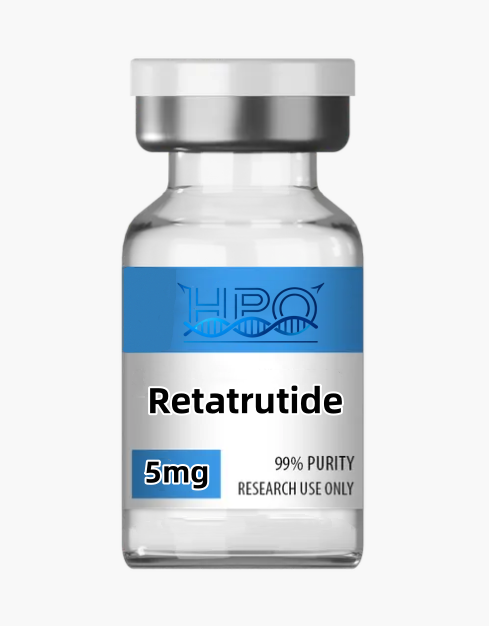
Retatrutide
Price range: $65.00 through $600.00
Retatrutide: Comprehensive Research Guide Retatrutide is a first-in-class triple receptor agonist that simultaneously activates the glucagon-like peptide-1 (GLP-1), glucose-dependent insulinotropic po…
DISCLAIMER:
Retatrutide: Comprehensive Research Guide
Retatrutide is a first-in-class triple receptor agonist that simultaneously activates the glucagon-like peptide-1 (GLP-1), glucose-dependent insulinotropic polypeptide (GIP), and glucagon receptors. This innovative 39-amino-acid peptide, with a modified amino acid sequence and a C20 fatty acid side chain, represents the next generation of incretin-based therapies and has shown unprecedented efficacy in clinical trials for the treatment of obesity and type 2 diabetes. Retatrutide’s unique triple receptor agonism combines the metabolic benefits of GLP-1 and GIP receptor activation with the energy expenditure and lipolytic effects of glucagon receptor activation, resulting in greater weight loss and metabolic improvements than single or dual receptor agonists alone.
At Hanpro Peptides, we provide the highest purity Retatrutide for research purposes only. Our products are manufactured in state-of-the-art facilities and undergo rigorous quality testing to ensure 99%+ purity. This comprehensive guide covers everything researchers need to know about Retatrutide, including its molecular structure, mechanisms of action, research applications, proper handling, and frequently asked questions.
Molecular Structure and Properties
Retatrutide is a 39-amino-acid peptide with the molecular formula C224H345N47O69 and a molecular weight of approximately 4801.5 g/mol. Its amino acid sequence is based on the structure of GIP, with modifications to also activate the GLP-1 and glucagon receptors. The peptide has a C20 fatty acid (eicosanedioic acid) side chain attached to the lysine residue at position 20 via a gamma-glutamic acid spacer, which allows it to bind to albumin in the bloodstream, protecting it from renal clearance and enzymatic degradation and resulting in a prolonged half-life of approximately 5-7 days, allowing for once-weekly dosing.
The key structural features of Retatrutide include: (1) It is a hybrid peptide based on the structure of GIP, with specific amino acid substitutions that confer activity at the GLP-1 and glucagon receptors; (2) Substitution of the 2nd amino acid (alanine) with 2-aminoisobutyric acid (Aib), which protects the peptide from degradation by dipeptidyl peptidase-4 (DPP-4); (3) Specific amino acid substitutions at positions 13, 16, 18, and 27 that balance the relative potency at the GLP-1, GIP, and glucagon receptors; (4) Attachment of a C20 fatty acid (eicosanedioic acid) side chain to the lysine residue at position 20 via a gamma-glutamic acid spacer, which prolongs the half-life and allows for once-weekly dosing. The relative potency of Retatrutide at the three receptors is approximately: GLP-1 receptor (100%), GIP receptor (50-80%), and glucagon receptor (20-40%), with the exact potency ratios carefully balanced to maximize metabolic benefits while minimizing side effects.
Retatrutide is highly soluble in water and physiological buffers, and it is stable under a wide range of pH and temperature conditions. The peptide’s prolonged half-life and once-weekly dosing regimen make it particularly convenient for both clinical use and research applications. Retatrutide is currently in phase 3 clinical development for the treatment of obesity and type 2 diabetes, and it is expected to receive regulatory approval in 2025-2026.
Mechanisms of Action
Retatrutide exerts its effects through multiple interconnected mechanisms, primarily by acting as a potent agonist of the GLP-1, GIP, and glucagon receptors. Understanding these mechanisms is crucial for designing effective research studies and interpreting results.
1. Triple Receptor Agonism: The primary and most distinctive mechanism of Retatrutide is its ability to bind to and activate three distinct receptors: the GLP-1 receptor, the GIP receptor, and the glucagon receptor. All three receptors are G-protein-coupled receptors expressed in various tissues, including pancreatic beta cells, the gastrointestinal tract, the heart, blood vessels, adipose tissue, the liver, skeletal muscle, and the central nervous system. Activation of all three receptors stimulates adenylate cyclase, increasing intracellular cyclic AMP (cAMP) levels and activating downstream signaling pathways, including protein kinase A (PKA) and exchange protein activated by cAMP (EPAC). These signaling pathways mediate the various physiological effects of Retatrutide, including insulin secretion, glucagon suppression, gastric emptying delay, appetite regulation, energy expenditure, and fat oxidation. The triple receptor agonism of Retatrutide is believed to provide synergistic effects, with greater efficacy in terms of weight loss and metabolic improvements than single or dual receptor agonists alone.
2. Glucose-Dependent Insulin Secretion: One of the key mechanisms of Retatrutide is its ability to stimulate glucose-dependent insulin secretion from pancreatic beta cells, mediated through activation of both GLP-1 and GIP receptors. Like other incretin receptor agonists, Retatrutide only stimulates insulin secretion when blood glucose levels are elevated, which significantly reduces the risk of hypoglycemia. When blood glucose levels return to normal, the insulin-stimulating effect of Retatrutide diminishes, preventing excessive insulin secretion and hypoglycemia. The dual activation of both GLP-1 and GIP receptors may provide greater insulin secretory capacity than GLP-1 receptor activation alone, as GIP has been shown to enhance insulin secretion in a glucose-dependent manner, particularly in the postprandial state.
3. Glucagon Suppression and Glucose Homeostasis: Retatrutide also suppresses glucagon secretion from pancreatic alpha cells in a glucose-dependent manner, mediated through GLP-1 receptor activation. Glucagon is a hormone that raises blood glucose levels by stimulating hepatic glucose production. By suppressing glucagon secretion, Retatrutide reduces hepatic glucose output, contributing to lower blood glucose levels. However, the glucagon receptor agonism of Retatrutide may counteract some of the glucagon suppression, particularly at higher doses, which may help prevent excessive hypoglycemia and maintain glucose homeostasis. This balanced effect on glucagon secretion is one of the unique features of Retatrutide compared to single GLP-1 receptor agonists.
4. Gastric Emptying Delay: Retatrutide slows the rate of gastric emptying, mediated primarily through GLP-1 receptor activation. This reduces the rate at which nutrients (particularly carbohydrates) are absorbed from the gastrointestinal tract into the bloodstream, contributing to lower postprandial (after-meal) blood glucose spikes and helping regulate overall glycemic control. The gastric emptying delay also contributes to the weight loss effects of Retatrutide, as it increases feelings of fullness and satiety, reducing overall food intake. However, the GIP and glucagon receptor activation may counteract some of the gastric emptying delay, which may explain why Retatrutide is associated with somewhat less nausea and vomiting compared to some GLP-1 receptor agonists at equivalent weight loss doses.
5. Appetite Regulation and Central Nervous System Effects: Retatrutide exerts significant effects on appetite and food intake through its actions on the central nervous system, mediated through activation of GLP-1, GIP, and glucagon receptors in the brain. All three receptors are expressed in various regions of the brain involved in appetite regulation, including the hypothalamus, the brainstem, and the reward centers. Retatrutide can cross the blood-brain barrier and directly activate these receptors in these brain regions, reducing appetite, increasing feelings of satiety, and reducing the rewarding effects of food. The peptide also reduces cravings for high-calorie, high-fat foods and reduces overall food intake. These central nervous system effects are the primary mechanism by which Retatrutide promotes weight loss, and they contribute to its efficacy in treating obesity and metabolic syndrome. The triple receptor activation may provide greater appetite suppression and weight loss than GLP-1 or dual GLP-1/GIP receptor activation alone, as glucagon receptor activation in the brain has been shown to reduce appetite and increase satiety.
6. Energy Expenditure and Fat Oxidation: One of the unique and most important mechanisms of Retatrutide, attributed primarily to glucagon receptor activation, is its ability to increase energy expenditure and promote fat oxidation. Glucagon is a hormone that increases energy expenditure by stimulating thermogenesis, increasing the metabolic rate, and promoting the breakdown of fat (lipolysis) for energy. Activation of glucagon receptors in adipose tissue, the liver, and skeletal muscle promotes the browning of white adipose tissue, increases thermogenesis, and increases the oxidation of fatty acids for energy production. In preclinical studies, Retatrutide has been shown to increase energy expenditure by 10-15% and promote fat oxidation, particularly in visceral adipose tissue, which may contribute to its greater weight loss efficacy compared to GLP-1 or dual GLP-1/GIP receptor agonists alone. The glucagon receptor activation also promotes hepatic glucose production, which may help prevent hypoglycemia and maintain glucose homeostasis during periods of increased energy expenditure.
7. Lipid Metabolism and Insulin Sensitivity: Retatrutide has significant effects on lipid metabolism and insulin sensitivity, mediated through activation of all three receptors in adipose tissue, the liver, and skeletal muscle. The peptide promotes the breakdown of triglycerides in adipose tissue (lipolysis), increases the oxidation of fatty acids for energy, and reduces the synthesis of new fatty acids in the liver (de novo lipogenesis). Retatrutide also improves insulin sensitivity in adipose tissue, the liver, and skeletal muscle, reducing insulin resistance and improving overall metabolic health. The triple receptor activation may provide greater improvements in lipid metabolism and insulin sensitivity than GLP-1 or dual GLP-1/GIP receptor activation alone, due to the additional effects of glucagon receptor activation on lipid metabolism and energy expenditure.
8. Cardiovascular Protective Effects: Retatrutide has demonstrated significant cardiovascular protective effects in preclinical studies and early clinical trials, reducing various cardiovascular risk factors. The cardiovascular protective effects of Retatrutide are mediated through multiple mechanisms, including: (1) Reduction of blood glucose levels and glycated hemoglobin (HbA1c), reducing the cardiovascular damage caused by chronic hyperglycemia; (2) Reduction of body weight and visceral adiposity, reducing cardiovascular risk factors; (3) Reduction of blood pressure, particularly systolic blood pressure; (4) Improvement of lipid profiles, including reduction of triglycerides and LDL cholesterol, and increase of HDL cholesterol; (5) Reduction of inflammation markers, including C-reactive protein (CRP); (6) Direct protective effects on the vascular endothelium and the heart muscle, mediated through GLP-1, GIP, and glucagon receptor activation in these tissues. Large-scale cardiovascular outcomes trials for Retatrutide are currently in the planning stages, and the results will provide important information about the cardiovascular protective effects of Retatrutide in patients with type 2 diabetes and established cardiovascular disease.
Research Applications
Retatrutide has been investigated in numerous preclinical and clinical studies for its potential therapeutic applications across various medical fields. The following sections highlight the most important areas of research.
1. Obesity and Weight Management
The primary and most promising application of Retatrutide is in the treatment of obesity and weight management. The unique triple receptor agonism of Retatrutide, combining the appetite-suppressing effects of GLP-1 and GIP receptor activation with the energy expenditure and lipolytic effects of glucagon receptor activation, has resulted in unprecedented weight loss efficacy in clinical trials.
The efficacy of Retatrutide for weight management has been extensively studied in the phase 2 clinical trial, which included 338 patients with obesity or overweight without diabetes. In this trial, patients were randomized to receive Retatrutide 1 mg, 4 mg, 8 mg, or 12 mg once weekly, or placebo, for 24 weeks, with an optional 24-week extension. The results of this trial were unprecedented, with mean weight reductions from baseline of 8.7%, 17.1%, 22.8%, and 24.2% for Retatrutide 1 mg, 4 mg, 8 mg, and 12 mg, respectively, compared to 2.1% with placebo at 24 weeks. At 48 weeks (after the optional extension), the mean weight reductions were 11.0%, 20.7%, 26.0%, and 26.8% for Retatrutide 1 mg, 4 mg, 8 mg, and 12 mg, respectively. These weight loss results are unprecedented for any medication currently in clinical development, and they approach or even exceed the weight loss achieved with bariatric surgery (which typically results in 25-35% weight loss for gastric bypass and 15-25% for sleeve gastrectomy).
In addition to the magnitude of weight loss, Retatrutide also produced weight loss across all patient subgroups, including men and women, different age groups, different baseline BMI categories, and patients with and without metabolic syndrome. The weight loss was sustained over the 48-week treatment period, with no evidence of plateauing at the higher doses, suggesting that longer treatment durations may result in even greater weight loss. The weight loss was also accompanied by significant improvements in body composition, with approximately 75-80% of the weight loss being fat mass, and preservation of lean body mass, which is particularly important for maintaining metabolic health and physical function during weight loss.
In addition to weight loss, Retatrutide also produced significant improvements in various cardiometabolic risk factors in patients with obesity, including: (1) Reduction of blood pressure, particularly systolic blood pressure, with mean reductions of 5-8 mmHg observed; (2) Improvement of lipid profiles, including reduction of triglycerides (by 25-35%), reduction of LDL cholesterol (by 10-15%), and increase of HDL cholesterol (by 5-10%); (3) Reduction of inflammation markers, including C-reactive protein (CRP), with mean reductions of 40-50% observed; (4) Improvement of glycemic control, including reduction of fasting glucose and HbA1c levels, even in patients without diabetes; (5) Reduction of waist circumference and visceral adiposity, with mean reductions in waist circumference of 10-15 cm observed; (6) Improvement of insulin sensitivity and beta-cell function; (7) Improvement of liver health, including reduction of liver fat content and liver enzymes. These improvements in cardiometabolic risk factors are likely to translate into long-term reductions in cardiovascular morbidity and mortality, although long-term cardiovascular outcomes trials for Retatrutide in obesity are still in the planning stages.
The safety and tolerability of Retatrutide for weight management were generally good in the phase 2 trial, with the most common adverse events being gastrointestinal in nature, including nausea, diarrhea, vomiting, constipation, and abdominal pain. These gastrointestinal side effects were generally mild to moderate in severity, occurred primarily during the dose-titration phase, and tended to diminish over time. The incidence of gastrointestinal side effects was dose-dependent, with higher doses associated with a higher incidence of side effects, but the overall incidence was similar to or slightly lower than that observed with GLP-1 receptor agonists at equivalent weight loss doses. To minimize gastrointestinal side effects, Retatrutide is typically initiated at a low dose and gradually titrated up to the target dose over several months. The incidence of gallbladder-related events (including gallstones and cholecystitis) was slightly higher in patients treated with Retatrutide compared to placebo, which is consistent with the known increased risk of gallbladder disease with rapid weight loss. The incidence of pancreatitis was low and similar between Retatrutide and placebo groups, although a small increased risk cannot be ruled out. There were no cases of severe hypoglycemia in patients without diabetes, which is consistent with the glucose-dependent mechanism of action of Retatrutide.
Based on these unprecedented phase 2 results, Retatrutide is currently being evaluated in phase 3 clinical trials for the treatment of obesity, including the TRIUMPH trial program, which includes over 10,000 patients with obesity or overweight across multiple phases and treatment regimens. The phase 3 trials are evaluating the efficacy and safety of Retatrutide for weight management, including the maintenance of weight loss, the effects on cardiovascular outcomes, and the effects on obesity-related comorbidities such as obstructive sleep apnea, non-alcoholic steatohepatitis (NASH), and heart failure with preserved ejection fraction (HFpEF). The first phase 3 results are expected in 2025, and regulatory approval for the treatment of obesity is expected in 2025-2026.
2. Type 2 Diabetes Mellitus
In addition to its remarkable efficacy for weight management, Retatrutide is also being investigated for the treatment of type 2 diabetes mellitus. The triple receptor agonism of Retatrutide, combining the glucose-lowering effects of GLP-1 and GIP receptor activation with the metabolic effects of glucagon receptor activation, has shown significant efficacy in reducing blood glucose levels and improving glycemic control in patients with type 2 diabetes.
The efficacy of Retatrutide for type 2 diabetes has been studied in a phase 2 clinical trial, which included 240 patients with type 2 diabetes and inadequate glycemic control on diet and exercise alone or in combination with metformin. In this trial, patients were randomized to receive Retatrutide 1 mg, 4 mg, 8 mg, or 12 mg once weekly, or placebo, for 24 weeks. The results of this trial showed that Retatrutide produced significant and dose-dependent reductions in HbA1c (glycated hemoglobin) levels, with mean reductions of 0.8%, 1.7%, 2.2%, and 2.4% for Retatrutide 1 mg, 4 mg, 8 mg, and 12 mg, respectively, compared to 0.1% with placebo. These HbA1c reductions are greater than those observed with most other diabetes medications, including GLP-1 receptor agonists, and they approach the reductions achieved with intensive insulin therapy.
In addition to reducing HbA1c levels, Retatrutide also produced significant reductions in fasting plasma glucose and postprandial glucose levels, improving overall glycemic control. The glucose-dependent mechanism of action of Retatrutide resulted in a low risk of hypoglycemia, with no cases of severe hypoglycemia observed in the trial. When used in combination with metformin, the risk of hypoglycemia was still low, and the combination produced greater reductions in HbA1c than either medication alone.
Retatrutide also produced significant weight loss in patients with type 2 diabetes, with mean weight reductions of 3.5%, 9.5%, 14.0%, and 15.5% for Retatrutide 1 mg, 4 mg, 8 mg, and 12 mg, respectively, compared to 0.5% with placebo. This weight loss effect is particularly beneficial for patients with type 2 diabetes, many of whom are overweight or obese, and weight loss can improve insulin sensitivity and overall metabolic health. The weight loss in patients with type 2 diabetes was somewhat less than that observed in patients without diabetes, but still clinically significant and greater than that achieved with other diabetes medications, including GLP-1 receptor agonists.
The safety and tolerability of Retatrutide in patients with type 2 diabetes were generally good, with the most common adverse events being gastrointestinal in nature, including nausea, diarrhea, vomiting, constipation, and abdominal pain. These gastrointestinal side effects were generally mild to moderate in severity, occurred primarily during the dose-titration phase, and tended to diminish over time. The incidence of hypoglycemia was low, with no cases of severe hypoglycemia observed, which is consistent with the glucose-dependent mechanism of action of Retatrutide.
Based on these promising phase 2 results, Retatrutide is currently being evaluated in phase 3 clinical trials for the treatment of type 2 diabetes, including the TRIUMPH-N trial program, which includes over 5,000 patients with type 2 diabetes across multiple phases and treatment regimens. The phase 3 trials are evaluating the efficacy and safety of Retatrutide for type 2 diabetes, including comparisons with other diabetes medications (such as semaglutide and insulin), the effects on cardiovascular outcomes, and the effects on diabetes-related comorbidities such as diabetic kidney disease and diabetic retinopathy. The first phase 3 results for type 2 diabetes are expected in 2025, and regulatory approval for the treatment of type 2 diabetes is expected in 2025-2026.
3. Non-Alcoholic Fatty Liver Disease (NAFLD) and Non-Alcoholic Steatohepatitis (NASH)
Non-alcoholic fatty liver disease (NAFLD) and its more severe form, non-alcoholic steatohepatitis (NASH), are increasingly common liver diseases characterized by the accumulation of fat in the liver, inflammation, and liver damage. NASH can progress to liver fibrosis, cirrhosis, liver failure, and hepatocellular carcinoma, and it is currently one of the leading causes of liver transplantation worldwide. There are currently no FDA-approved medications for the treatment of NASH, and there is a significant unmet medical need for effective therapies.
Retatrutide has been investigated as a potential treatment for NASH, based on its ability to reduce body weight, improve insulin sensitivity, reduce inflammation, and improve liver health. The triple receptor agonism of Retatrutide, particularly the glucagon receptor activation, which promotes fat oxidation and reduces hepatic fat accumulation, may provide greater benefits for NASH compared to GLP-1 or dual GLP-1/GIP receptor agonists alone.
In preclinical studies, Retatrutide has been shown to reduce liver fat content, reduce liver inflammation, reduce liver fibrosis, and improve liver function in animal models of NASH. The peptide promoted the oxidation of fatty acids in the liver, reduced the synthesis of new fatty acids (de novo lipogenesis), and reduced the accumulation of triglycerides in hepatocytes. Retatrutide also reduced inflammation in the liver, reduced the activation of hepatic stellate cells (which are responsible for liver fibrosis), and promoted the regression of existing liver fibrosis.
In a phase 2 clinical trial, Retatrutide produced significant reductions in liver fat content, as measured by MRI-PDFF, with mean reductions of 50-70% observed at the higher doses. Treatment with Retatrutide also resulted in significant reductions in liver enzymes, including ALT and AST, with mean reductions of 40-60% observed. These improvements in liver health were accompanied by significant weight loss, improvement in insulin sensitivity, reduction in inflammation markers, and improvement in lipid profiles, all of which are beneficial for patients with NASH.
Based on these promising preclinical and early clinical results, Retatrutide is currently being evaluated in phase 2/3 clinical trials for the treatment of NASH, including the SYNERGY-NASH trial program. The phase 2/3 trials are evaluating the efficacy and safety of Retatrutide for NASH, including the effects on NASH resolution, liver fibrosis improvement, liver-related outcomes, and long-term safety. The first phase 2/3 results for NASH are expected in 2025-2026, and regulatory approval for the treatment of NASH may follow if the results are positive.
4. Cardiovascular Disease Protection
Retatrutide has demonstrated significant cardiovascular protective effects in preclinical studies and early clinical trials, reducing various cardiovascular risk factors. The cardiovascular protective effects of Retatrutide are mediated through multiple mechanisms, including the direct effects of GLP-1, GIP, and glucagon receptor activation on the cardiovascular system, as well as the indirect effects of improved glycemic control, weight loss, blood pressure reduction, and lipid improvement.
Based on the results of the phase 2 trials, Retatrutide has been shown to reduce various cardiovascular risk factors, including: (1) Reduction of blood glucose levels and HbA1c, reducing the cardiovascular damage caused by chronic hyperglycemia; (2) Reduction of body weight and visceral adiposity, reducing cardiovascular risk factors; (3) Reduction of blood pressure, particularly systolic blood pressure, with mean reductions of 5-8 mmHg observed; (4) Improvement of lipid profiles, including reduction of triglycerides (by 25-35%), reduction of LDL cholesterol (by 10-15%), and increase of HDL cholesterol (by 5-10%); (5) Reduction of inflammation markers, including C-reactive protein (CRP), with mean reductions of 40-50% observed; (6) Improvement of endothelial function and vascular health; (7) Reduction of oxidative stress and advanced glycation end products (AGEs); (8) Improvement of insulin sensitivity and reduction of insulin resistance. All three receptors (GLP-1, GIP, and glucagon) are expressed in the heart, blood vessels, and adipose tissue, and activation of these receptors has been shown to have direct protective effects on the cardiovascular system, including reduction of myocardial ischemia-reperfusion injury, improvement of cardiac function, reduction of vascular inflammation, and improvement of endothelial function.
Large-scale cardiovascular outcomes trials for Retatrutide are currently in the planning stages, and the results will provide important information about the cardiovascular protective effects of Retatrutide in patients with type 2 diabetes and established cardiovascular disease, as well as in patients with obesity and cardiovascular risk factors. Based on the promising results of the phase 2 trials and the known cardiovascular protective effects of GLP-1 receptor agonists, it is expected that Retatrutide will also demonstrate significant cardiovascular protective effects in the cardiovascular outcomes trials. If the cardiovascular outcomes trials confirm cardiovascular benefit, Retatrutide may become a first-line therapy for patients with type 2 diabetes and cardiovascular disease or high cardiovascular risk, as well as for patients with obesity and cardiovascular risk factors.
5. Other Research Applications
In addition to the well-established applications in obesity, type 2 diabetes, NASH, and cardiovascular disease, Retatrutide has been investigated in several other research areas, with promising preliminary results.
Obstructive Sleep Apnea (OSA): Retatrutide has been investigated as a potential treatment for obstructive sleep apnea, based on its ability to reduce body weight and improve metabolic health. In the phase 2 trials, treatment with Retatrutide resulted in a significant reduction in the severity of obstructive sleep apnea, as measured by the apnea-hypopnea index (AHI), with mean reductions of 50-60% observed at the higher doses. Larger clinical trials specifically evaluating the efficacy of Retatrutide for OSA are currently in the planning stages.
Heart Failure with Preserved Ejection Fraction (HFpEF): Retatrutide has been investigated as a potential treatment for heart failure with preserved ejection fraction (HFpEF), a common and difficult-to-treat form of heart failure. In preclinical studies and early clinical trials, treatment with Retatrutide resulted in improvement of cardiac function, reduction of cardiac fibrosis, improvement of exercise capacity, and reduction of symptoms in animal models and patients with HFpEF. Clinical trials evaluating the efficacy of Retatrutide for the treatment of HFpEF are currently in the planning stages.
Alzheimer’s Disease and Cognitive Decline: Retatrutide has been investigated as a potential treatment for Alzheimer’s disease and cognitive decline, based on its neuroprotective effects, anti-inflammatory properties, and ability to improve insulin sensitivity in the brain. All three receptors (GLP-1, GIP, and glucagon) are expressed in the brain, and activation of these receptors has been shown to have neuroprotective effects, including reduction of neuroinflammation, improvement of synaptic function, and reduction of amyloid-beta plaque formation in animal models of Alzheimer’s disease. Clinical trials evaluating the efficacy of Retatrutide for the treatment of Alzheimer’s disease are currently in the planning stages.
Polycystic Ovary Syndrome (PCOS): Retatrutide has been investigated as a potential treatment for polycystic ovary syndrome (PCOS), a common endocrine disorder characterized by insulin resistance, hyperandrogenism, and ovarian dysfunction. In small clinical trials, treatment with Retatrutide resulted in significant weight loss, improvement in insulin sensitivity, reduction of androgen levels, and improvement in menstrual regularity in women with PCOS. Larger clinical trials are needed to confirm these results and to evaluate the long-term safety and efficacy of Retatrutide in PCOS.
Addiction and Substance Use Disorders: Retatrutide has been investigated as a potential treatment for addiction and substance use disorders, based on its effects on the brain’s reward system and its ability to reduce cravings for food. Preliminary preclinical studies have shown that Retatrutide may reduce cravings for alcohol, nicotine, and various drugs of abuse, and may reduce substance use in individuals with addiction disorders. Larger clinical trials are needed to confirm these results.
Product Specifications
| Product Name | Retatrutide |
| Full Name | Retatrutide (Triple GLP-1/GIP/Glucagon Receptor Agonist) |
| Sequence | H-Tyr-Aib-Glu-Gly-Thr-Phe-Thr-Ser-Asp-Val-Ser-Ser-Tyr-Leu-Asp-Ala-Lys(γ-Glu-C20 fatty acid)-Gln-Ala-Ala-Lys-Glu-Phe-Ile-Ala-Trp-Leu-Val-Arg-Gly-Arg-Gly-OH (with specific modifications for triple receptor activity) |
| Molecular Formula | C224H345N47O69 |
| Molecular Weight | 4801.5 g/mol |
| Purity | ≥99% |
| Appearance | White lyophilized powder |
| Solubility | Soluble in water (1 mg/mL) and physiological buffers |
| Storage | Store at -20°C upon receipt. After reconstitution, store at 2-8°C for up to 30 days. |
| Available Sizes | 5mg, 10mg, 15mg, 30mg |
| Quality Control | HPLC, Mass Spectrometry, COA provided |
Reconstitution and Handling Guidelines
Proper reconstitution and handling are essential for maintaining the stability and efficacy of Retatrutide. Follow these guidelines carefully to ensure optimal results in your research.
Reconstitution Procedure:
- Allow the vial to reach room temperature before opening (approximately 15-20 minutes).
- Wipe the rubber stopper with an alcohol swab and allow it to dry.
- Using a sterile syringe, inject the appropriate volume of bacteriostatic water or sterile saline into the vial. For a 5mg vial, add 2.5mL of solvent to achieve a concentration of 2mg/mL. For a 10mg vial, add 5mL of solvent for a 2mg/mL concentration.
- Gently swirl the vial until the powder is completely dissolved. Do not shake vigorously, as this can denature the peptide. The solution should be clear and colorless.
- Once fully dissolved, inspect the solution for any particles or discoloration. If you notice any particles or significant discoloration, do not use the solution.
Storage After Reconstitution:
- Store reconstituted Retatrutide in a refrigerator at 2-8°C (36-46°F).
- When stored properly, reconstituted Retatrutide remains stable for up to 30 days.
- For long-term storage (up to 6 months), aliquot the solution into individual doses and store at -20°C. Avoid repeated freeze-thaw cycles, as this can degrade the peptide.
- Do not store reconstituted peptide in direct sunlight or at room temperature for extended periods.
Handling Precautions:
- Always wear gloves and use sterile technique when handling Retatrutide.
- Use only sterile syringes and needles for reconstitution and administration.
- Do not mix Retatrutide with other peptides or compounds in the same vial unless you have verified compatibility and stability.
- If you are using Retatrutide for in vitro studies, dilute it to the desired concentration using appropriate buffer solutions.
- Retatrutide should be administered via subcutaneous injection for in vivo studies. Rotate injection sites to minimize local reactions.
Frequently Asked Questions (FAQ)
Q1: What is Retatrutide and how does it work?
A: Retatrutide is a first-in-class triple receptor agonist that simultaneously activates the glucagon-like peptide-1 (GLP-1), glucose-dependent insulinotropic polypeptide (GIP), and glucagon receptors. It is the first medication in clinical development that activates all three of these incretin and metabolic hormone receptors, and it represents the next generation of incretin-based therapies for the treatment of obesity and type 2 diabetes. Retatrutide works by binding to and activating all three receptors, which are expressed in various tissues, including the pancreas, gastrointestinal tract, heart, blood vessels, adipose tissue, liver, skeletal muscle, and brain. Activation of the GLP-1 and GIP receptors stimulates glucose-dependent insulin secretion, suppresses glucagon secretion, slows gastric emptying, and reduces appetite and food intake. Activation of the glucagon receptor increases energy expenditure, promotes fat oxidation and lipolysis, and helps maintain glucose homeostasis during periods of increased energy expenditure. The triple receptor agonism of Retatrutide is believed to provide synergistic effects, with greater efficacy in terms of weight loss and metabolic improvements than single GLP-1 receptor agonists (such as semaglutide) or dual GLP-1/GIP receptor agonists (such as tirzepatide) alone. In phase 2 clinical trials, Retatrutide produced unprecedented weight loss of up to 24.2% from baseline at 24 weeks, which is greater than any other medication currently in clinical development and approaches the weight loss achieved with bariatric surgery. Retatrutide has a prolonged half-life of approximately 5-7 days, allowing for once-weekly dosing, which makes it more convenient for both clinical use and research applications. Retatrutide is currently in phase 3 clinical development for the treatment of obesity and type 2 diabetes, and it is expected to receive regulatory approval in 2025-2026.
Q2: How does Retatrutide compare to Semaglutide and Tirzepatide?
A: Retatrutide, Semaglutide, and Tirzepatide are all incretin receptor agonists used for the treatment of type 2 diabetes and obesity, but they have several key differences. The most significant difference is the number of receptors they activate: (1) Semaglutide is a single GLP-1 receptor agonist, activating only the GLP-1 receptor; (2) Tirzepatide is a dual GLP-1/GIP receptor agonist, activating both the GLP-1 and GIP receptors; (3) Retatrutide is a triple GLP-1/GIP/glucagon receptor agonist, activating all three receptors (GLP-1, GIP, and glucagon). The additional receptor activation is believed to provide greater efficacy, particularly for weight loss, due to the additive or synergistic effects of each receptor pathway. In terms of weight loss efficacy, based on the results of phase 2 clinical trials: (1) Semaglutide 2.4 mg once weekly produced a mean weight reduction of 14.9% from baseline at 68 weeks in the STEP 1 trial; (2) Tirzepatide 15 mg once weekly produced a mean weight reduction of 20.9% from baseline at 72 weeks in the SURMOUNT-1 trial; (3) Retatrutide 12 mg once weekly produced a mean weight reduction of 24.2% from baseline at 24 weeks in the phase 2 trial, with weight loss still ongoing at the end of the trial, suggesting that longer treatment durations may result in even greater weight loss. These results suggest that Retatrutide may provide greater weight loss efficacy than either Semaglutide or Tirzepatide, although head-to-head clinical trials are needed to confirm these comparisons. In terms of HbA1c reduction for type 2 diabetes: (1) Semaglutide 1 mg once weekly produced a mean HbA1c reduction of 1.5% in the SUSTAIN trials; (2) Tirzepatide 15 mg once weekly produced a mean HbA1c reduction of 2.3% in the SURPASS-2 trial; (3) Retatrutide 12 mg once weekly produced a mean HbA1c reduction of 2.4% in the phase 2 trial. These results suggest that Retatrutide may provide similar or slightly greater HbA1c reduction compared to Tirzepatide, and greater reduction compared to Semaglutide. In terms of safety and tolerability, all three medications have similar safety profiles, with the most common side effects being gastrointestinal in nature (nausea, vomiting, diarrhea, constipation, and abdominal pain). Retatrutide may be associated with slightly less gastrointestinal side effects compared to Semaglutide or Tirzepatide at equivalent weight loss doses, possibly due to the glucagon receptor activation, which may counteract some of the gastric emptying delay. However, Retatrutide may be associated with a slightly higher risk of gallbladder-related events due to the greater magnitude of weight loss. In summary, Retatrutide appears to be more efficacious than both Semaglutide and Tirzepatide in terms of weight loss, with similar or slightly greater efficacy for HbA1c reduction, and a similar safety profile. However, Retatrutide is still in phase 3 clinical development, and more data are needed to confirm its long-term safety and efficacy, as well as its cardiovascular and renal protective effects. At Hanpro Peptides, we offer all three peptides (Retatrutide, Semaglutide, and Tirzepatide) for research purposes, as well as a wide range of other incretin receptor agonists and metabolic peptides.
Q3: What is the recommended dosage for Retatrutide in research studies?
A: The optimal dosage of Retatrutide varies depending on the specific research application, animal model, and route of administration. In preclinical animal studies, dosages have ranged from 0.005 mg/kg to 1 mg/kg body weight per day, depending on the species and study design. For rodent studies, typical dosages range from 0.01 mg/kg to 0.3 mg/kg per day, administered via subcutaneous injection. For larger animal models (such as non-human primates), dosages are typically lower, ranging from 0.005 mg/kg to 0.1 mg/kg per day. For in vitro studies, concentrations typically range from 1 nM to 10 μM, with most studies using concentrations between 10 nM and 1 μM. It is important to note that these are research dosages and should not be interpreted as recommendations for human use. In clinical studies, Retatrutide is typically initiated at a low dose and gradually titrated up to the target dose over several weeks to minimize gastrointestinal side effects. For obesity, the doses being evaluated in phase 3 trials range from 2 mg to 12 mg once weekly, with the 8 mg and 12 mg doses providing the greatest weight loss. For type 2 diabetes, the doses being evaluated range from 1 mg to 12 mg once weekly, with the 4 mg, 8 mg, and 12 mg doses providing the greatest HbA1c reduction. Researchers should consult published literature and conduct dose-response studies to determine the optimal dosage for their specific research application. Always follow institutional guidelines and ethical protocols when conducting research with peptides.
Q4: What are the most common side effects of Retatrutide?
A: The most common side effects of Retatrutide are gastrointestinal in nature, including nausea, vomiting, diarrhea, constipation, and abdominal pain. These gastrointestinal side effects occur in approximately 20-40% of patients, are generally mild to moderate in severity, occur primarily during the first few weeks of treatment (particularly during dose titration), and tend to diminish over time as patients develop tolerance. The incidence of gastrointestinal side effects is dose-dependent, with higher doses associated with a higher incidence of side effects. To minimize gastrointestinal side effects, Retatrutide is typically initiated at a low dose and gradually titrated up to the target dose over several weeks. Other common side effects include: (1) Injection site reactions, including redness, swelling, itching, or pain at the injection site (occurring in approximately 5-10% of patients); (2) Headache (occurring in approximately 5-10% of patients); (3) Fatigue or tiredness (occurring in approximately 5-10% of patients); (4) Dizziness (occurring in approximately 3-5% of patients); (5) Dyspepsia or indigestion (occurring in approximately 5-10% of patients); (6) Gastritis or gastroesophageal reflux disease (GERD) (occurring in approximately 3-5% of patients). Serious but rare side effects include: (1) Pancreatitis (inflammation of the pancreas), occurring in approximately 0.1-0.5% of patients; (2) Gallbladder disease, including gallstones and cholecystitis, occurring in approximately 2-4% of patients (particularly with rapid and significant weight loss); (3) Hypoglycemia (low blood sugar), particularly when used in combination with insulin or sulfonylureas in patients with type 2 diabetes; (4) Allergic reactions, including rash, itching, and angioedema; (5) Diabetic retinopathy complications (in patients with pre-existing diabetic retinopathy); (6) Acute kidney injury, particularly in patients with dehydration from gastrointestinal side effects. It is important to note that Retatrutide, like other incretin receptor agonists, has a black box warning for thyroid C-cell tumors, based on findings in animal studies. However, the clinical significance of this finding in humans is unclear, and no cases of thyroid C-cell tumors have been definitively linked to Retatrutide use in humans. Patients with a personal or family history of medullary thyroid carcinoma (MTC) or multiple endocrine neoplasia syndrome type 2 (MEN 2) should not use Retatrutide. Researchers should always follow proper safety protocols and consult institutional safety guidelines when working with Retatrutide.
Q5: Is Retatrutide legal for research purposes?
A: Yes, Retatrutide is legal for research purposes in most countries, including the United States, when purchased from reputable suppliers and used strictly for laboratory research. Retatrutide is currently an investigational new drug (IND) in phase 3 clinical development, and it has not yet received regulatory approval for clinical use. For research purposes, Retatrutide can be purchased from reputable peptide suppliers and used in preclinical and clinical research studies in accordance with applicable regulations and institutional guidelines. Researchers must ensure that their use of Retatrutide complies with all applicable local, state, and federal regulations, as well as institutional review board (IRB) guidelines for human subjects research and institutional animal care and use committee (IACUC) guidelines for animal research. At Hanpro Peptides, we sell Retatrutide exclusively for research purposes, and all purchasers must agree to use the product only for legitimate scientific research. It is important to note that Retatrutide is a controlled substance in some countries, and researchers should verify the legal status of Retatrutide in their jurisdiction before purchasing or using it for research purposes. Additionally, because Retatrutide is still in clinical development and has not yet received regulatory approval, it should not be used for clinical purposes or human consumption outside of approved clinical trials.
Q6: Can Retatrutide be used in combination with other peptides or medications?
A: Yes, Retatrutide can be used in combination with other peptides or medications for research purposes, and combination therapy is an active area of research. However, researchers should carefully consider the potential interactions, additive effects, and safety of combination therapy before using Retatrutide in combination with other peptides or medications. Common combination therapies being investigated include: (1) Retatrutide + Insulin: Retatrutide may be used in combination with basal insulin (such as insulin glargine or insulin degludec) for the treatment of type 2 diabetes. The combination of Retatrutide and insulin may produce greater reductions in HbA1c compared to either medication alone, with a lower risk of hypoglycemia and less weight gain compared to insulin alone. However, the risk of hypoglycemia is higher with combination therapy, and insulin doses may need to be adjusted. (2) Retatrutide + Metformin: Retatrutide may be used in combination with metformin, a first-line medication for type 2 diabetes. The combination of Retatrutide and metformin may produce greater reductions in HbA1c and body weight compared to either medication alone, with a low risk of hypoglycemia. This combination is generally well-tolerated and is a common treatment regimen for type 2 diabetes. (3) Retatrutide + SGLT2 Inhibitors: Retatrutide may be used in combination with SGLT2 inhibitors (such as empagliflozin, dapagliflozin, or canagliflozin) for the treatment of type 2 diabetes, particularly in patients with cardiovascular or renal disease. The combination of Retatrutide and SGLT2 inhibitors may produce greater reductions in HbA1c, body weight, and blood pressure compared to either medication alone, and the combination may have additive cardiovascular and renal protective effects. (4) Retatrutide + Growth Hormone Secretagogues: Retatrutide may be used in combination with growth hormone secretagogues (such as Ipamorelin, CJC-1295, or Tesamorelin) for research purposes, particularly in studies investigating body composition, muscle mass, and metabolic health. The combination of Retatrutide (which promotes significant fat loss) and growth hormone secretagogues (which promote muscle growth and fat loss) may have synergistic effects on body composition. However, researchers should carefully monitor glucose levels, as growth hormone can increase blood glucose levels and may counteract the glucose-lowering effects of Retatrutide. (5) Retatrutide + Other Peptides: Retatrutide can also be used in combination with other peptides for various research applications, including BPC-157, TB-500, GHK-Cu, and others. However, researchers should carefully consider the potential interactions and safety of these combinations, as there is limited research on the safety and efficacy of combining Retatrutide with other peptides. It is important to note that combination therapy may increase the risk of side effects, particularly gastrointestinal side effects, hypoglycemia, and other metabolic effects. Researchers should always consult published literature and conduct appropriate safety studies before using Retatrutide in combination with other peptides or medications. Always follow institutional guidelines and ethical protocols when conducting research with peptides.
Q7: What is the shelf life of Retatrutide, and how should it be stored?
A: When stored properly, lyophilized (freeze-dried) Retatrutide has a shelf life of up to 2 years from the date of manufacture when stored at -20°C in a freezer. It is important to keep the peptide in its original sealed vial and protect it from light, moisture, and temperature fluctuations. After reconstitution, Retatrutide should be stored in a refrigerator at 2-8°C and used within 30 days. For longer storage of reconstituted peptide (up to 6 months), it is recommended to aliquot the solution into individual doses and store at -20°C. However, repeated freeze-thaw cycles should be avoided, as they can degrade the peptide over time. Always check the product’s expiration date and Certificate of Analysis (COA) for specific storage recommendations. At Hanpro Peptides, all our products are shipped with cold packs to maintain stability during transit, and each vial comes with a detailed COA specifying the manufacture date, expiration date, and purity level. It is important to note that Retatrutide should not be stored at room temperature for extended periods, as this can lead to degradation of the peptide and reduced efficacy. The reconstituted solution should be inspected regularly for any signs of degradation, including discoloration, cloudiness, or particle formation. If any of these signs are observed, the solution should be discarded and not used for research purposes.
Related Products for Research
For researchers investigating metabolic health, diabetes, obesity, and related conditions, we recommend exploring these related peptides:
- Semaglutide – A GLP-1 receptor agonist, known for its effects on blood glucose control and weight loss. The first GLP-1 receptor agonist to be approved for both type 2 diabetes and chronic weight management.
- Tirzepatide – A dual GLP-1/GIP receptor agonist, known for its potent effects on blood glucose control and weight loss. The first dual receptor agonist to receive regulatory approval for type 2 diabetes and weight management.
- Liraglutide – A once-daily GLP-1 receptor agonist, known for its effects on blood glucose control and weight loss. One of the first GLP-1 receptor agonists to be approved for clinical use.
- Dulaglutide – A once-weekly GLP-1 receptor agonist, known for its cardiovascular protective effects and convenient once-weekly dosing. Often used in patients with type 2 diabetes and cardiovascular disease.
- Exenatide – A GLP-1 receptor agonist derived from the saliva of the Gila monster, available in both twice-daily and once-weekly formulations. The first GLP-1 receptor agonist to be approved for clinical use.
- Tesofensine – A triple reuptake inhibitor (serotonin, norepinephrine, and dopamine) with appetite-suppressing effects, investigated for the treatment of obesity. Often studied in combination with incretin receptor agonists for enhanced weight loss.
- Ipamorelin – A growth hormone secretagogue that stimulates the release of growth hormone, supporting muscle growth, fat loss, and recovery. Often studied in combination with Retatrutide for synergistic effects on body composition.
- CJC-1295 Without DAC – A growth hormone-releasing hormone (GHRH) analog that increases growth hormone and IGF-1 levels, supporting muscle growth, fat loss, and recovery. Frequently studied in combination with Ipamorelin and other peptides.
Quality Assurance at Hanpro Peptides
At Hanpro Peptides, we are committed to providing researchers with the highest quality peptides available. Our Retatrutide is manufactured in state-of-the-art facilities using solid-phase peptide synthesis (SPPS) technology, ensuring consistent quality and purity batch after batch. The fatty acid side chain is carefully attached during the synthesis process to ensure proper conjugation and biological activity, and the specific amino acid substitutions that confer triple receptor activity are carefully controlled to ensure consistent potency at all three receptors.
Our Quality Control Process Includes:
- High-Performance Liquid Chromatography (HPLC): Every batch is analyzed by HPLC to verify purity ≥99%. This ensures that our products are free from impurities and contaminants that could affect research results.
- Mass Spectrometry (MS): Mass spectrometry is used to confirm the molecular weight and identity of each peptide, ensuring that the product matches the expected amino acid sequence and modifications.
- Receptor Binding Assays: For triple receptor agonists like Retatrutide, we conduct additional receptor binding assays to verify that the product has the expected potency and selectivity at the GLP-1, GIP, and glucagon receptors.
- Certificate of Analysis (COA): Every product comes with a detailed COA that includes the batch number, manufacture date, expiration date, purity level, receptor binding data, and test results. Researchers can use this information to verify product quality and document their research materials.
- Microbiological Testing: Our products undergo rigorous microbiological testing to ensure they are free from bacteria, fungi, and other microorganisms.
- Endotoxin Testing: For peptides intended for in vivo studies, we conduct endotoxin testing to ensure that levels are within acceptable limits for research use.
We also offer custom peptide synthesis services for researchers who require specific sequences, modifications, or formulations. Our team of experienced chemists can synthesize peptides ranging from simple dipeptides to complex 50+ amino acid sequences with various modifications, including acetylation, amidation, phosphorylation, fatty acid conjugation, PEGylation, and fluorescent labeling. We can also synthesize custom multi-receptor agonists with specific potency ratios at different receptors, tailored to your specific research needs.
Disclaimer
Important Notice: All products sold by Hanpro Peptides are intended for laboratory research purposes only. They are not intended for human consumption, diagnostic use, or therapeutic application. Retatrutide is currently an investigational new drug (IND) in phase 3 clinical development, and it has not yet received regulatory approval for clinical use. Our research-grade Retatrutide is not intended for clinical use or human consumption, and it should only be used in preclinical research or approved clinical trials in accordance with applicable regulations and institutional guidelines.
Researchers are responsible for ensuring that their use of our products complies with all applicable local, state, and federal regulations, as well as institutional guidelines and ethical protocols. Our products should only be used by qualified researchers in properly equipped laboratory settings. Animal research should be conducted in accordance with institutional animal care and use committee (IACUC) guidelines, and human subjects research should be conducted in accordance with institutional review board (IRB) guidelines and under an active investigational new drug (IND) application where required.
The information provided in this product description is for educational and informational purposes only and is based on published scientific literature and preliminary clinical trial results. It does not constitute medical advice, and we make no claims regarding the therapeutic effects or safety of our products for human use. Any references to potential therapeutic applications are based on preclinical and clinical research and are not intended to suggest that these products are safe or effective for human consumption.
By purchasing and using our products, you acknowledge and agree that you are a qualified researcher, that you will use our products only for legitimate scientific research, and that you assume all responsibility for ensuring compliance with applicable regulations and ethical guidelines.
If you have any questions about our products, quality control processes, or custom synthesis services, please contact our customer support team. We are committed to providing researchers with the highest quality products and exceptional customer service to support your important research endeavors.
Related Research Guides
Expand your peptide research knowledge with our comprehensive guides:
- Peptides for Anti-Aging: Complete Research Guide 2026
- Peptides for Cognitive Enhancement: Nootropic Research Guide 2026
- Peptides for Metabolic Health: Weight Loss Research Guide 2026
- Peptides for Athletic Performance: Muscle Growth Research Guide 2026
- Peptides for Skin Health: Dermatological Research Guide 2026
- Peptides for Sleep Optimization: Circadian Rhythm Research Guide 2026
- Peptides for Sexual Health and Fertility: Complete Research Guide 2026
- Peptides for Immune Support and Inflammation: Complete Research Guide 2026
- Peptides for Cardiovascular Health: Vascular Research Guide 2026
- Peptides for Gut Health and Digestive Function: Complete Research Guide 2026
- Peptides for Pain Management and Analgesia: Complete Research Guide 2026
- Peptides for Liver Health and Detoxification: Complete Research Guide 2026
- Peptides for Joint Health and Cartilage Repair: Complete Research Guide 2026
- Peptides for Eye Health and Vision Protection: Complete Research Guide 2026
- Peptides for Emotional Health and Anxiety Management: Complete Research Guide 2026
UK Research Peptide Guides
| Specification | 5mg*10vials, 10mg*10vials, 15mg*10vials, 20mg*10vials, 30mg*10vials, 40mg*10vials, 50mg*10vials, 60mg*10vials, 100mg*10vials |
|---|
Only logged in customers who have purchased this product may leave a review.
Related products
Reviews
There are no reviews yet.